
August 12, 2026 at 09:04 AM 2 min readworlddeveloping
Oil Prices Near $90 Amid Strait of Hormuz Tensions
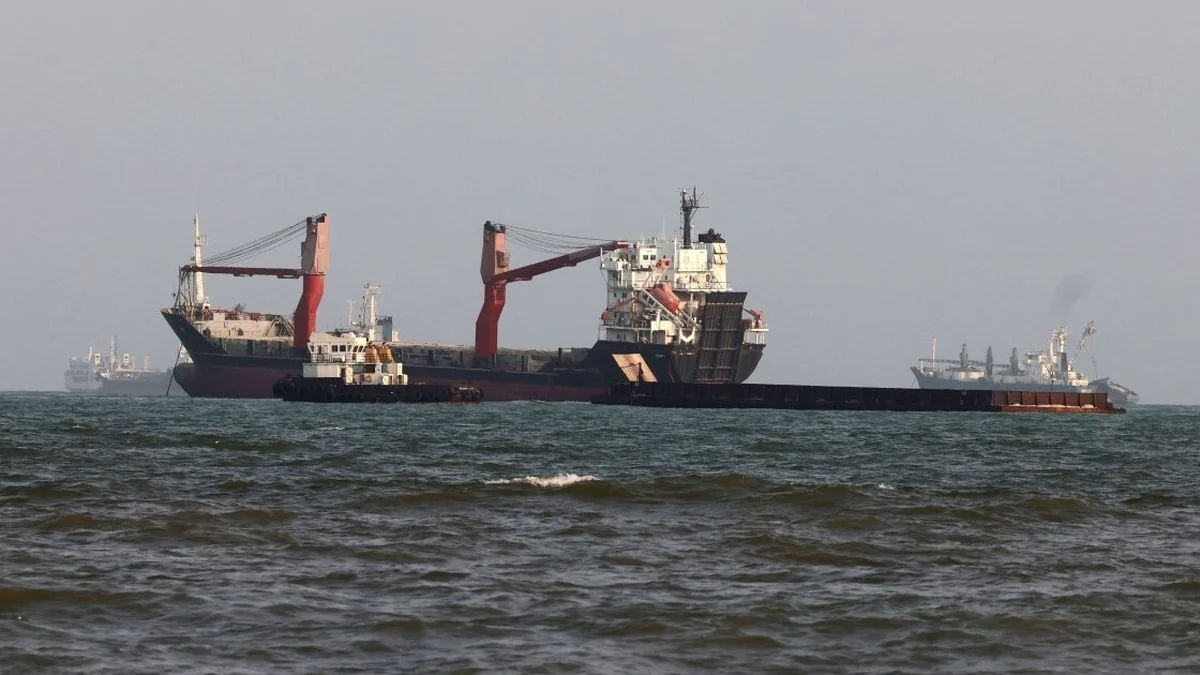
Energy Market Volatility:
Crude oil prices extended their rally on August 12, 2026, with Brent crude futures nearing the $90 per barrel threshold. This upward trajectory is fueled by waning hopes for a rapid peace agreement between the United States and Iran, which has kept the vital Strait of Hormuz under significant operational risk. Continued reports of shipping disruptions by regional actors further solidify the risk premium currently embedded in energy markets.
Geopolitical Drivers:
The deadlock between the US and Iran shows no signs of resolution, as regional officials demand the release of frozen assets while the US insists on reparations for previous conflicts. These escalating tensions have caused a notable decrease in maritime traffic through the Strait of Hormuz. Analysts from Goldman Sachs have cautioned that persistent disruptions could push Brent crude toward $120 a barrel, although base-case expectations suggest prices may stabilize around $80 by the fourth quarter of 2026.
Economic Impact on India:
The surge in oil prices has directly impacted the Indian Rupee, which opened lower at 95.42 against the US dollar on August 12, 2026. The combination of expensive energy imports and a consistently strong demand for the dollar exerts significant downward pressure on the currency. If current trends persist, the INR/USD exchange rate is anticipated to test the 95.50–96.00 range, challenging the Reserve Bank's efforts to maintain currency stability and control imported inflation across the country.
Pulse Intelligence
Context & ImpactContext & Background
- Shipping through the Strait of Hormuz has faced repeated threats, creating a persistent risk premium for global oil supply chains.
- Brent crude prices were previously impacted by negotiations regarding the reopening of key trade routes which have stalled due to geopolitical demands.
Key Consequences
- Continued elevation of oil prices will likely worsen India's current account deficit and pressure domestic fuel prices.
- If the Strait of Hormuz remains restricted, global logistics costs will rise, impacting inflation globally and within India.
- Currency volatility may increase as the rupee faces sustained pressure against the strengthening dollar during high-cost import cycles.
Market & Economic Impact
Oil-importing sectors in India, including aviation and paints, face significant margin pressure, while the rupee remains vulnerable to further depreciation.
The Indus Pulse is committed to accuracy and transparency.