
20 Aug 2026, 07:21 AM 2 min readaianalysis
Nvidia CEO Jensen Huang Highlights AI Infrastructure Constraints
Infrastructure Constraints:
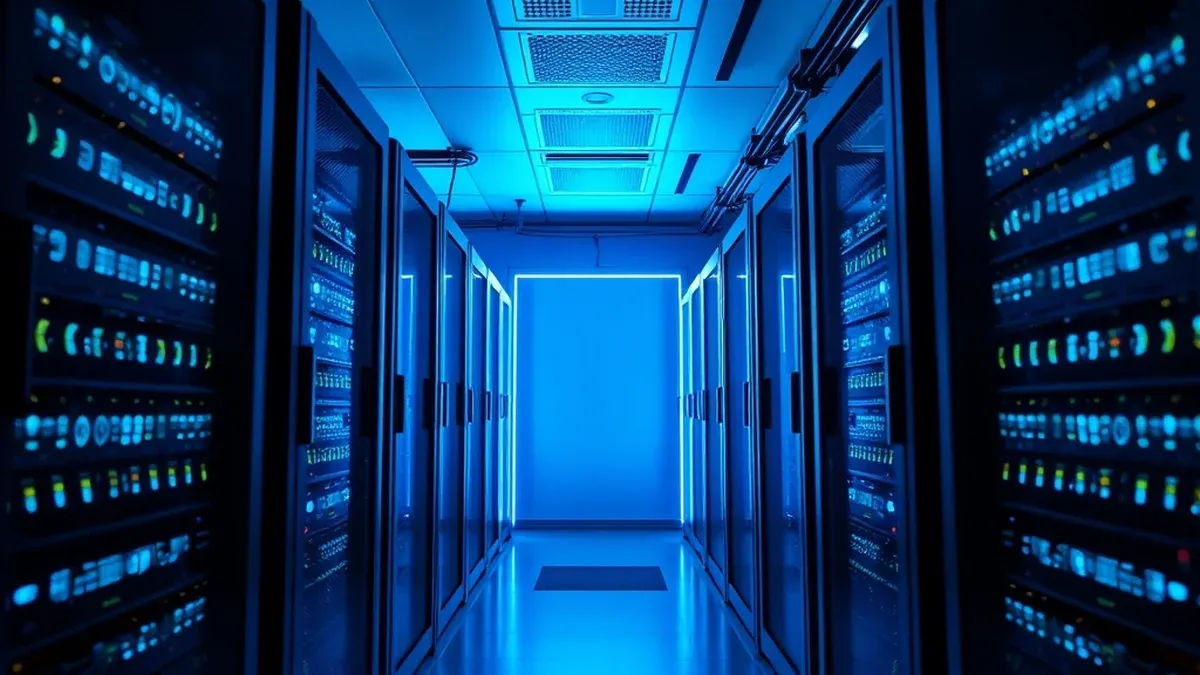
Nvidia CEO Jensen Huang stated that physical infrastructure represents the primary growth bottleneck for artificial intelligence development rather than algorithms. Securing access to land, power, and data-centre shells is becoming just as critical as advanced chips and computing systems for building modern AI factories.
Industry Evolution:
The rapid expansion of generative artificial intelligence has placed unprecedented demands on global power grids and real estate markets. Technology firms are racing to secure stable energy supplies and physical locations capable of supporting high-density server clusters required for next-generation model training.
Future Outlook:
Industry participants must adapt to these physical limitations to sustain deployment rates. Analysts expect tech giants to invest heavily in dedicated power infrastructure and alternative energy sources to bypass traditional grid bottlenecks.
Pulse Intelligence
Context & ImpactContext & Background
- Data centre operators have faced mounting pressure over power consumption limits across key global tech hubs.
- Nvidia has maintained a dominant market position by supplying high-performance graphics processing units essential for training large language models.
Key Consequences
- Technology companies will likely increase capital expenditure toward securing dedicated power supplies and real estate.
- Grid capacity constraints could moderate the rapid deployment pace of new artificial intelligence data centres.
Market & Economic Impact
Nvidia and related semiconductor suppliers continue to monitor global infrastructure constraints as a key factor influencing forward revenue guidance.
The Indus Pulse is committed to accuracy and transparency.