
18 Aug 2026, 10:25 AM 2 min readaianalysis
Global AI Infrastructure Investment Projected To Hit $1 Trillion By 2026
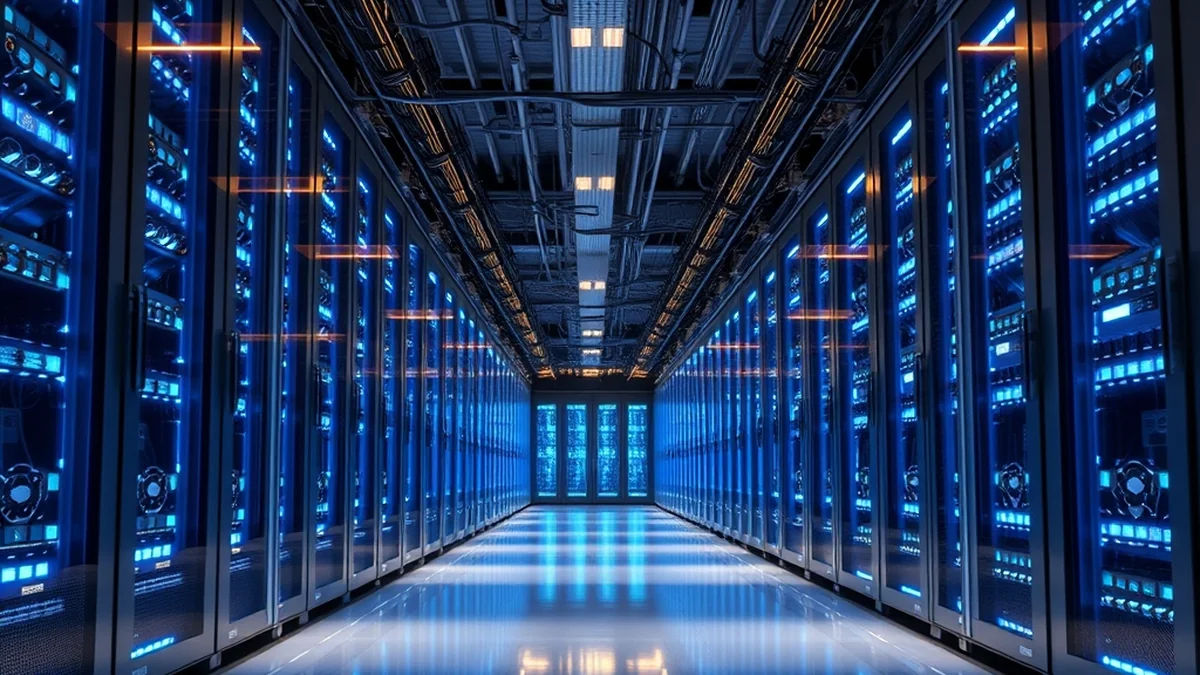
Trillion-Dollar Capital Surge:
Goldman Sachs Research projects global AI investment will reach $1 trillion by 2026. This spending is expected to rise from 0.9% of global GDP to 1.4% by 2028, driven largely by hyperscalers including Microsoft, Alphabet, Amazon, and Meta. Semiconductor giant Nvidia remains central to this cycle, with its Vera Rubin product line fueling massive infrastructure funding. Partners like Apollo and BlackRock are facilitating $500 billion in third-party funding to construct neocloud infrastructure, creating a massive wave of capital expenditure focused on building AI-ready data centers.
Infrastructure Bottlenecks:
Nvidia CEO Jensen Huang noted that the primary growth constraint has shifted from chips to physical infrastructure. Companies are now spending billions to secure land, power, and massive data-center shells to meet the needs of generative AI models. High-stakes financial deals, such as the financing for a major OpenAI facility in Ohio, reflect the risks involved in this build-out. However, recent reports suggest Nvidia is scaling back some funding guarantees, highlighting the volatility and massive financial complexity inherent in scaling AI hardware globally.
Global and Indian Impact:
Enterprise adoption is expanding, with firms integrating AI data into platforms like Microsoft 365 Copilot. While automation creates massive potential for productivity, Nobel laureate Geoffrey Hinton has warned of mass unemployment risks in routine tasks. For India, this infrastructure surge offers a chance to become a regional hub for data centers and IT services. Indian giants like TCS and Infosys face rising demand for integration, though they must balance these opportunities against the need for workforce reskilling as global hardware markets tighten and AI adoption accelerates.
Pulse Intelligence
Context & ImpactContext & Background
- Goldman Sachs has compared the productivity potential of AI to the historical impact of the industrial revolution.
- Hyperscalers have aggressively competed for high-end Nvidia chips since 2023 to secure computing dominance.
- Geoffrey Hinton, a pioneer in deep learning, has repeatedly raised concerns regarding the societal risks posed by rapid AI development.
Key Consequences
- The expansion of neocloud providers will lower the entry barrier for startups requiring high-performance compute resources.
- Energy demand will rise significantly as massive global data centers scale to support trillion-dollar AI workloads.
- Entry-level job roles in customer service and software development may face rapid contraction by 2027 due to increased agentic AI adoption.
Market & Economic Impact
Heavy infrastructure spending supports the semiconductor industry and Nifty IT index, though it pressures tech giants to prove returns on their record capital investments.
The Indus Pulse is committed to accuracy and transparency.