
August 6, 2026 at 01:58 AM 2 min readmarketsanalysis
Nithin Kamath Flags Concerns Over India's Closing Auction
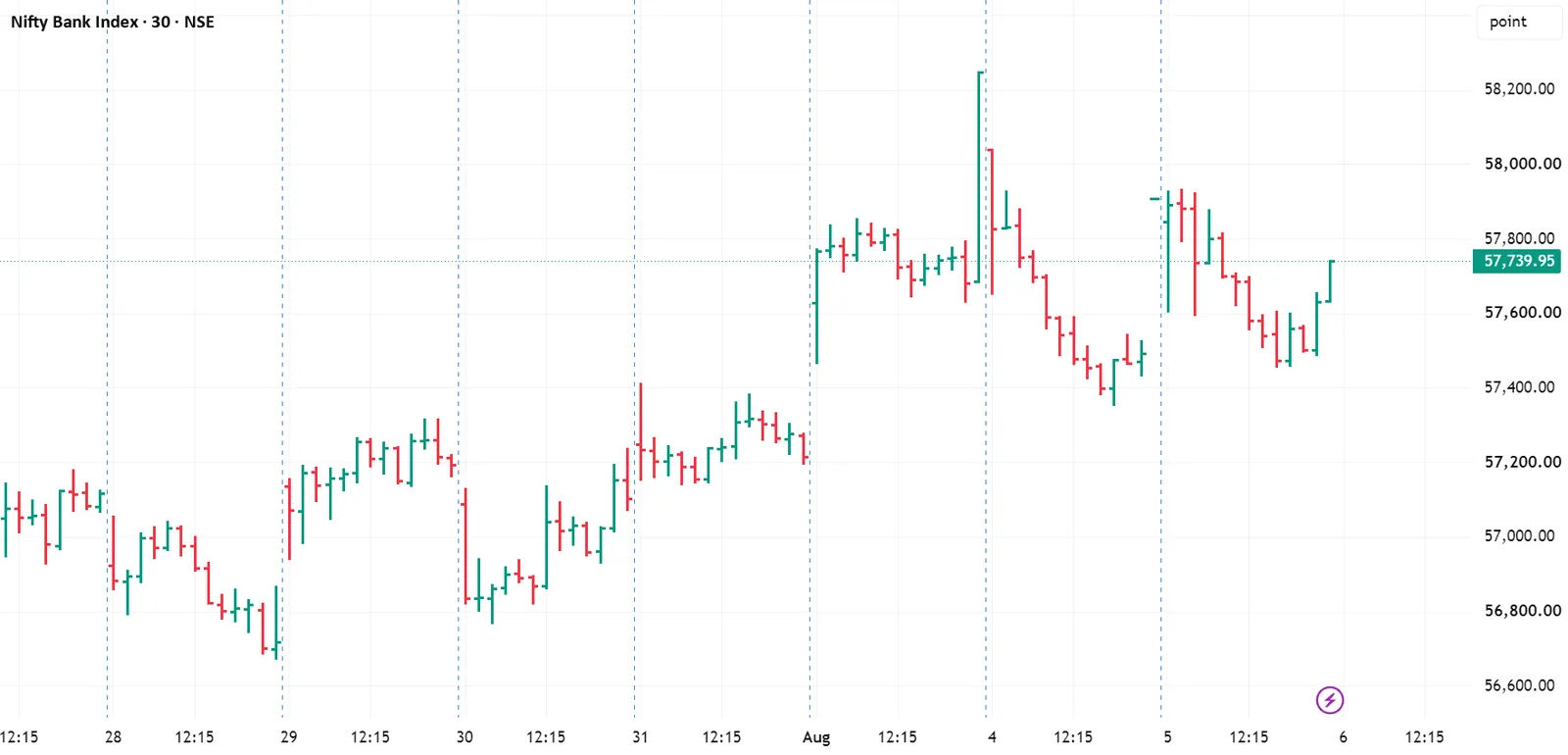
Closing Auction Structural Shifts:
India’s stock exchanges have introduced the Closing Auction Session (CAS), a mechanism designed to stabilize price discovery at the end of the trading day. Unlike the continuous trading period where price discovery occurs in real-time, the CAS accumulates orders within a specific window and executes them using an auction algorithm. This shift represents a fundamental change in how the market finalizes its daily closing prices, moving away from continuous matching during the final minutes of the session.
Market Liquidity and Arbitrage Issues:
Nithin Kamath, CEO of Zerodha, has voiced concerns regarding the current efficacy of the CAS. While he acknowledges the intent behind the move, he highlights that thin liquidity and a lack of diverse market participants have caused erratic price swings during the auction period. Kamath argues that these fluctuations expose deeper structural cracks in the Indian market, particularly regarding the inability of participants to effectively perform arbitrage trades during the closing phase.
Trader Adaptability and Strategy:
For individual traders, the CAS requires a significant shift in methodology. Discretionary traders who rely heavily on continuous price action and live technical analysis are finding that their traditional trading edge diminishes within the auction environment. Professional advice currently suggests that intraday traders avoid participation unless their specific strategies are optimized for auction mechanisms, as the lack of a real-time, continuous chart makes standard momentum-based decisions inherently riskier. As the market matures, participants must adapt their technical processes to the new auction rules rather than relying on historical continuous-trading behaviors.
Pulse Intelligence
Context & ImpactContext & Background
- The NSE and BSE introduced the Closing Auction Session to better align with international market standards.
- Retail participation in the Indian stock market has grown significantly in recent years, testing market infrastructure.
Key Consequences
- Traders will likely demand more transparency and better liquidity mechanisms to stabilize closing auction prices.
- Brokerage firms may see an increase in client queries regarding order execution during the new auction window.
Market & Economic Impact
Closing auction volatility is influencing end-of-day market price action, particularly for large-cap indices.
The Indus Pulse is committed to accuracy and transparency.