
Gaming Desk July 21, 2026 at 07:13 AM 2 min readgaminganalysis
Nintendo Asserts No Legal Obligation to Pass Tariff Refunds
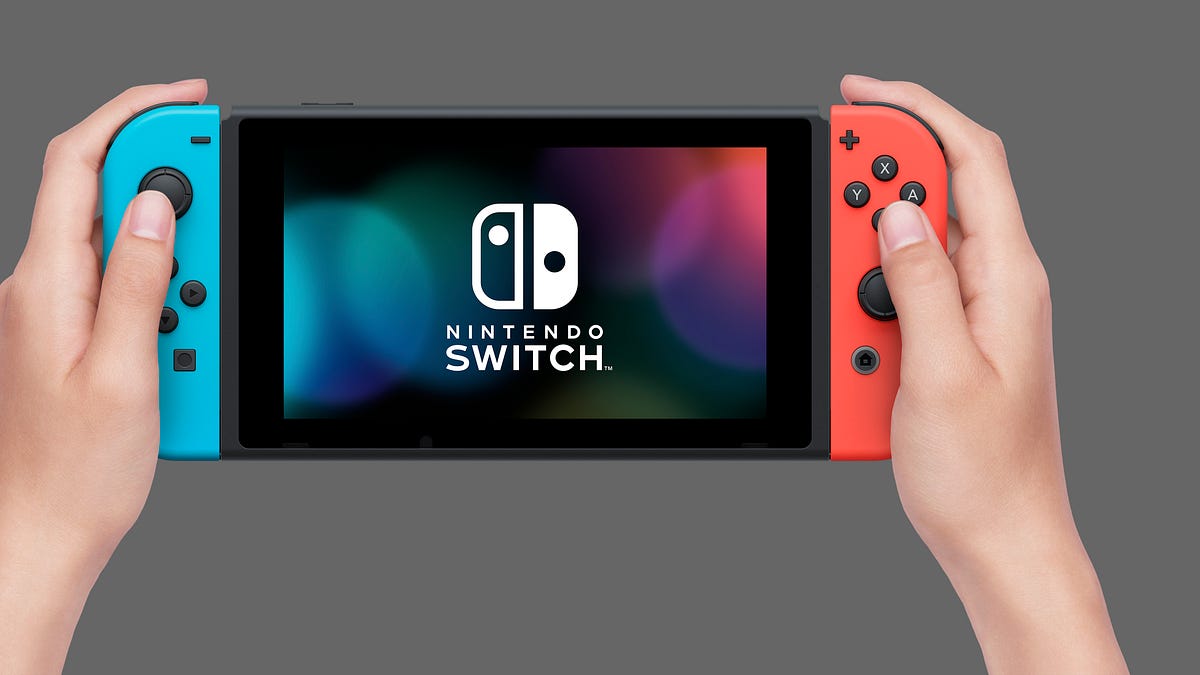
Nintendo Legal Stance:
Nintendo has stated that it has no legal duty to distribute U.S. tariff refunds to consumers, addressing a point of contention regarding its pricing strategies during fluctuating trade conditions. The company maintains that its pricing structures reflect broader market factors and operational costs, rather than specific adjustments linked to individual regulatory or tariff changes. This position clarifies Nintendo's approach to the financial impact of trade policy and consumer interaction.
Context of Trade Policy:
The issue traces back to U.S. trade policies that initially imposed tariffs on imported goods, which companies often managed by adjusting retail prices. As those tariffs were later addressed through refunds or reversals, questions arose about whether those savings should flow back to end-users. Nintendo's response emphasizes the complexity of global supply chains and the autonomy of a company in determining its pricing based on overall business sustainability rather than specific government rebates.
Broader Implications:
This legal stance serves as a reminder of the complex relationship between global corporations and international trade regulations. It highlights how companies navigate financial windfalls from policy changes while managing market expectations for product affordability. For observers of international trade, the outcome of this situation underscores that refunds resulting from policy shifts are generally considered corporate assets rather than direct consumer rebates, potentially shaping how similar companies respond to trade policy inquiries in the future.
Pulse Intelligence
Context & ImpactContext & Background
- Nintendo has operated under varying trade conditions and tariff structures in the US for years, necessitating complex financial planning.
- The gaming industry often faces scrutiny regarding pricing fluctuations and the impact of regional tax or trade policy changes on the end user.
Key Consequences
- Other companies facing similar trade policy questions may adopt comparable legal stances regarding tariff refunds.
- Consumers may see a continued disconnect between government-level trade policy savings and their actual purchase price at retail.
Market & Economic Impact
No direct market impact.