
July 28, 2026 at 10:16 AM 2 min readhealthNews Insights
New Public Health Initiatives Target Rising Lifestyle Disease Burden
The government is integrating digital health records to improve early detection of chronic conditions.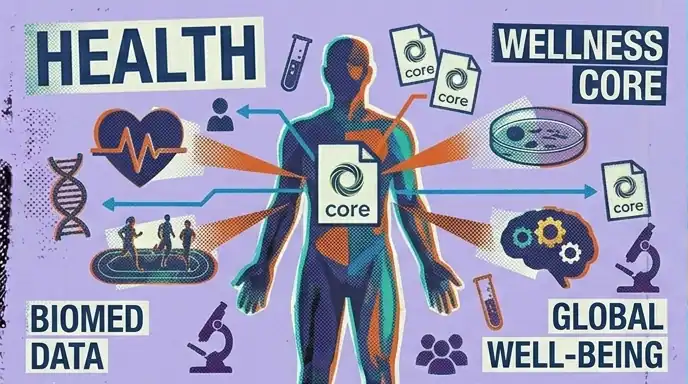
[Public Health Strategy]:
The Ministry of Health and Family Welfare (MoHFW) has announced a series of new initiatives aimed at addressing the rising burden of non-communicable diseases across India. According to recent government data, the prevalence of lifestyle-related conditions has seen a steady increase, necessitating a shift toward preventive healthcare models that emphasize early detection and community-level screening programs.
[Data-Driven Approach]:
As per ICMR guidelines, the focus is shifting toward integrating digital health records with local primary health centers to track patient outcomes more effectively. This data-driven approach is designed to identify high-risk populations in urban and rural areas, allowing for targeted interventions that can reduce the long-term strain on tertiary care facilities. The initiative also includes training programs for frontline health workers to manage chronic conditions.
[Future Implementation]:
The government plans to roll out these screening programs in phases, starting with high-burden districts before expanding nationwide. By leveraging existing infrastructure, the MoHFW aims to improve health outcomes while optimizing resource allocation. The success of these programs will depend on sustained public participation and the effective implementation of digital health infrastructure at the grassroots level over the next two years.
Pulse Intelligence
Context & ImpactContext & Background
- Non-communicable diseases have become a leading cause of mortality in India over the last decade.
- The government has been digitizing health records under the Ayushman Bharat Digital Mission.
- ICMR has previously highlighted the need for better screening protocols for metabolic disorders.
Key Consequences
- Early detection programs could significantly reduce the incidence of advanced-stage chronic diseases.
- Increased demand for diagnostic services is expected in rural and semi-urban health centers.
- Public health spending may need to be adjusted to support long-term screening infrastructure.
Market & Economic Impact
Not applicable.
The Indus Pulse is committed to accuracy and transparency.