
August 10, 2026 at 06:19 PM 2 min readworlddeveloping
Netanyahu Rejects U.S.-Backed Gaza Peace Framework
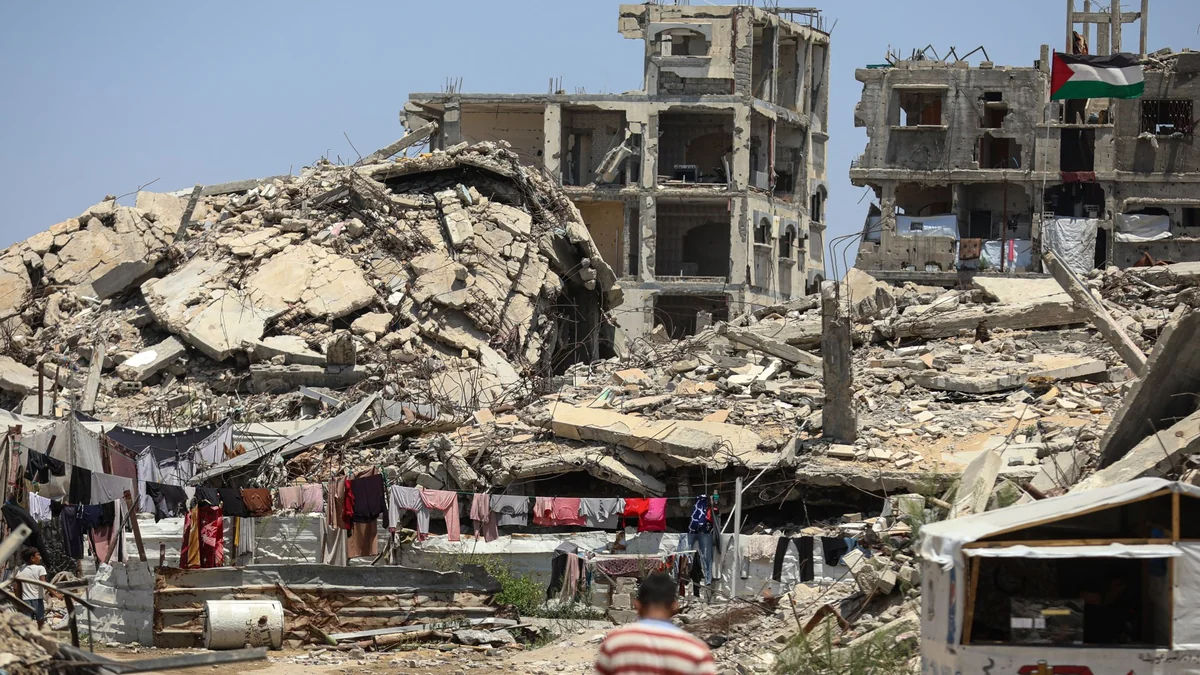
Peace Plan Rejection:
Israeli Prime Minister Benjamin Netanyahu formally rejected a U.S.-backed 15-point peace plan for Gaza on Sunday, August 9, 2026. The framework, introduced in July by a U.S.-led entity known as the Board of Peace, outlined a phased approach requiring Hamas to disarm in exchange for an Israeli withdrawal and the deployment of international and Palestinian security forces. Netanyahu firmly stated that Israel would maintain its current military posture and will not withdraw until Hamas is completely neutralized.
Current Stance:
Netanyahu further reiterated his long-standing opposition to the establishment of a Palestinian state during his tenure. This stance places the Israeli government at odds with the diplomatic efforts proposed by the United States. Hamas, meanwhile, confirmed its agreement with the Board of Peace’s proposal, urging international mediators to enforce the deal and hold Israel accountable for the ongoing stalemate, which remains a primary cause of regional instability.
Global and Regional Impact:
The rejection has fueled deep skepticism among Palestinians, with many expressing concern over the prospect of prolonged conflict and continued displacement. Regional analysts suggest that the impasse creates a significant diplomatic challenge for the United States, as it attempts to mediate a sustainable resolution. For India, the escalation threatens potential impacts on diplomatic relations in the Middle East and could affect regional trade routes. The hardening of positions on both sides indicates that a diplomatic breakthrough remains unlikely in the immediate term, despite international pressure to de-escalate the humanitarian crisis in Gaza.
Pulse Intelligence
Context & ImpactContext & Background
- The U.S.-backed 15-point peace plan was introduced in July 2026 to address the ongoing conflict in Gaza.
- Benjamin Netanyahu has consistently maintained that the security of Israel is contingent upon the full dismantling of Hamas capabilities.
Key Consequences
- Ongoing diplomatic isolation for the current Israeli administration among Western allies supporting the 15-point peace plan.
- Heightened humanitarian risk for civilians in Gaza as the prospect of an immediate ceasefire diminishes.
- Increased regional geopolitical instability as diplomatic avenues for a resolution remain blocked.
Market & Economic Impact
Heightened instability in the Middle East could lead to volatility in global oil prices, which impacts India's import costs and domestic inflation.
The Indus Pulse is committed to accuracy and transparency.