
July 28, 2026 at 01:08 AM 2 min readindiabreaking
Pralhad Joshi Takes Over Education Ministry Amid NEET Crisis
Leadership Transition:
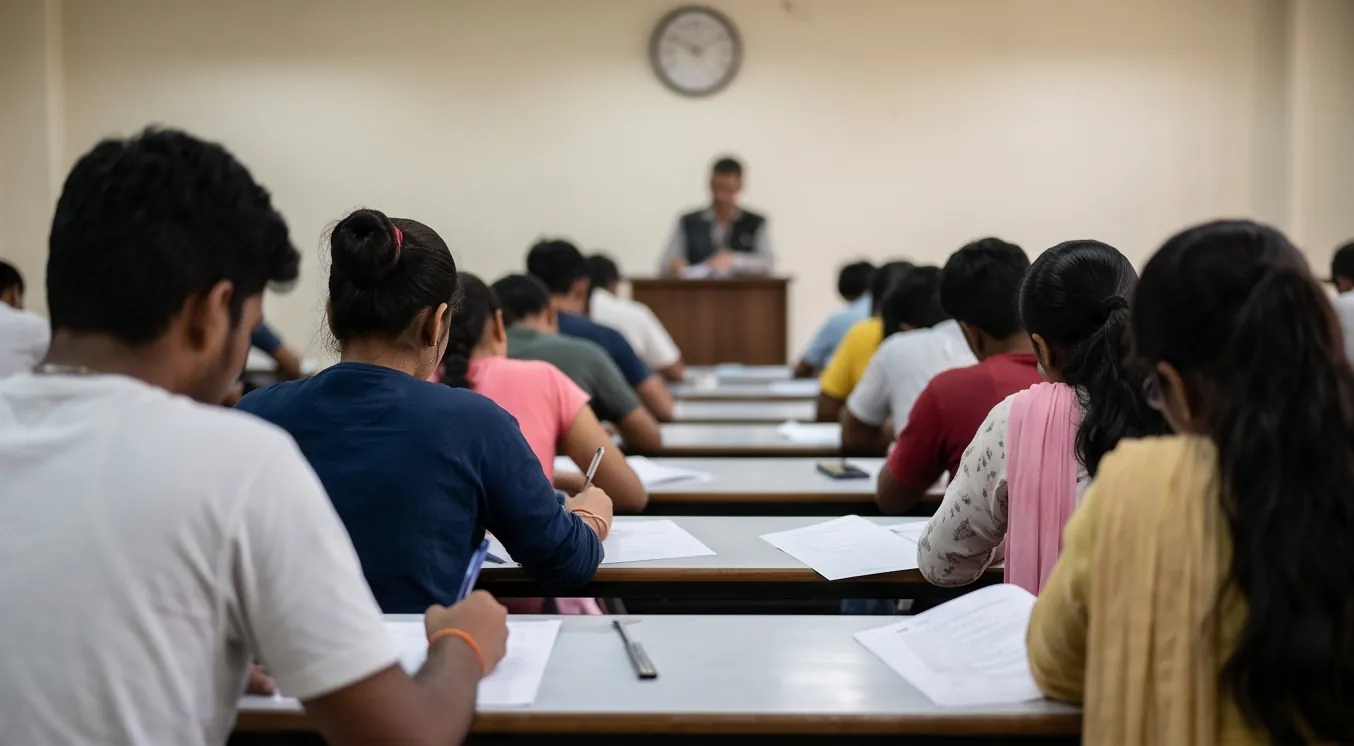
Pralhad Joshi officially assumed charge as India’s new Union Education Minister on July 26, 2026, succeeding Dharmendra Pradhan. The leadership change follows intense nationwide youth protests regarding the NEET-UG examination, which impacted 2.3 million medical aspirants. Upon taking office, Joshi immediately convened high-level meetings with ministry officials and summoned National Testing Agency leaders to review security protocols. Pradhan had resigned a day earlier, citing moral responsibility for the systemic examination failures.
Legal and Judicial Delays:
Meanwhile, a specialized fast-track court in Delhi adjourned the first hearing of the high-profile NEET paper leak case after the CBI counsel failed to appear, drawing sharp criticism from opposition leaders and defense lawyers. While the NEET case stalled, law enforcement made regional breakthroughs, arresting a close aide of the kingpin behind Maharashtra's Teacher Eligibility Test (TET) scam, while activists in Uttar Pradesh demanded swift prosecution in related paper leak scandals.
Legislative Deterrents:
To combat organized cheating syndicates, the government is strictly enforcing the Public Examinations (Prevention of Unfair Means) Act, which mandates a minimum of five years in jail and fines up to ₹50 lakh for offenders. As Parliament's Monsoon Session resumes, the administration faces intense parliamentary pressure and opposition scrutiny regarding structural reforms and the transparency of centralized testing agencies.
Pulse Intelligence
Context & ImpactContext & Background
- The NEET-UG 2026 examination, originally held on May 3, was cancelled following reports of widespread paper leaks, sparking national unrest.
- Dharmendra Pradhan resigned on July 25, 2026, after weeks of intense agitation regarding testing irregularities and student exploitation.
- The Public Examinations (Prevention of Unfair Means) Act was fast-tracked by Parliament to address recurring integrity crises in recruitment exams.
Key Consequences
- Pralhad Joshi must undergo rigorous questioning in Parliament regarding structural reforms of the National Testing Agency.
- The delay in the NEET court hearing will likely lead to fresh protests from student unions and political groups demanding accountability.
- Stringent enforcement of the new anti-leak law could lead to a significant increase in conviction rates for exam racketeering over the next year.
Market & Economic Impact
Persistent youth unrest could signal social instability, potentially affecting long-term foreign direct investment if not addressed through policy reforms.
The Indus Pulse is committed to accuracy and transparency.