
August 7, 2026 at 04:18 AM 2 min readindiabreaking
National Handloom Day 2026: Gujarat’s Heritage Weaves Gain Global Spotlight
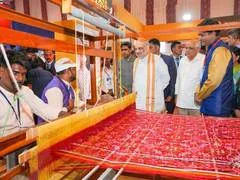
12th National Handloom Day Celebration:
India observes the 12th National Handloom Day today, August 7, 2026, to honour the country's vast weaving community and heritage. The primary celebrations highlight Gujarat’s ancient weaving traditions, which are currently experiencing a resurgence through renewed global recognition and digital market access. Prime Minister Narendra Modi reiterated his commitment to the sector, framing the handloom industry as a central pillar of the Viksit Bharat 2047 roadmap. The government aims to position traditional textiles as premium global exports while ensuring sustainable livelihoods for millions of rural artisans.
Cultural Heritage and Tribal Artistry:
The 2026 observance draws specific attention to the enduring Ringa weaving tradition of the Bonda tribe. This indigenous community continues to preserve unique, labour-intensive techniques that define their cultural identity through distinct patterns and natural fibres. Similar focus is being placed on Gujarat's regional crafts, which have transitioned from local necessities to high-fashion commodities. These traditions represent the historical depth of India's textile economy. The government is currently documenting these rare techniques to prevent the loss of intangible heritage and to provide legal protection through Geographical Indication tags.
Viksit Bharat Handloom Vision:
The immediate impact of these celebrations involves a series of policy incentives aimed at modernising handloom clusters without compromising traditional integrity. The Ministry of Textiles plans to integrate more weavers into the e-commerce ecosystem to bypass traditional intermediaries. For the average Indian consumer, this translates to increased availability of authentic hand-woven products at competitive prices. The government expects these initiatives to boost rural employment and strengthen India's soft power on the international stage. Observers are watching for specific budget allocations aimed at upgrading weaving infrastructure and providing better healthcare for artisanal workers.
Pulse Intelligence
Context & ImpactContext & Background
- National Handloom Day was first inaugurated on August 7, 2015, to commemorate the Swadeshi Movement launched on the same date in 1905.
- The handloom sector is one of the largest employers in rural India, following agriculture, with a high percentage of women participants.
Key Consequences
- Increased digital adoption among weaving clusters is expected to raise artisan incomes by 20% over the next two years.
- A surge in global demand for eco-friendly and sustainable Slow Fashion will likely boost India's textile exports to Western markets.
Market & Economic Impact
Growth in the handloom sector positively impacts the rural economy and listed retail entities focusing on ethnic wear and traditional crafts.
The Indus Pulse is committed to accuracy and transparency.