
August 12, 2026 at 06:25 PM 2 min readindiabreaking
Deadly Landslide in Mumbai: Rescue Efforts Underway in Kurla-Ghatkopar
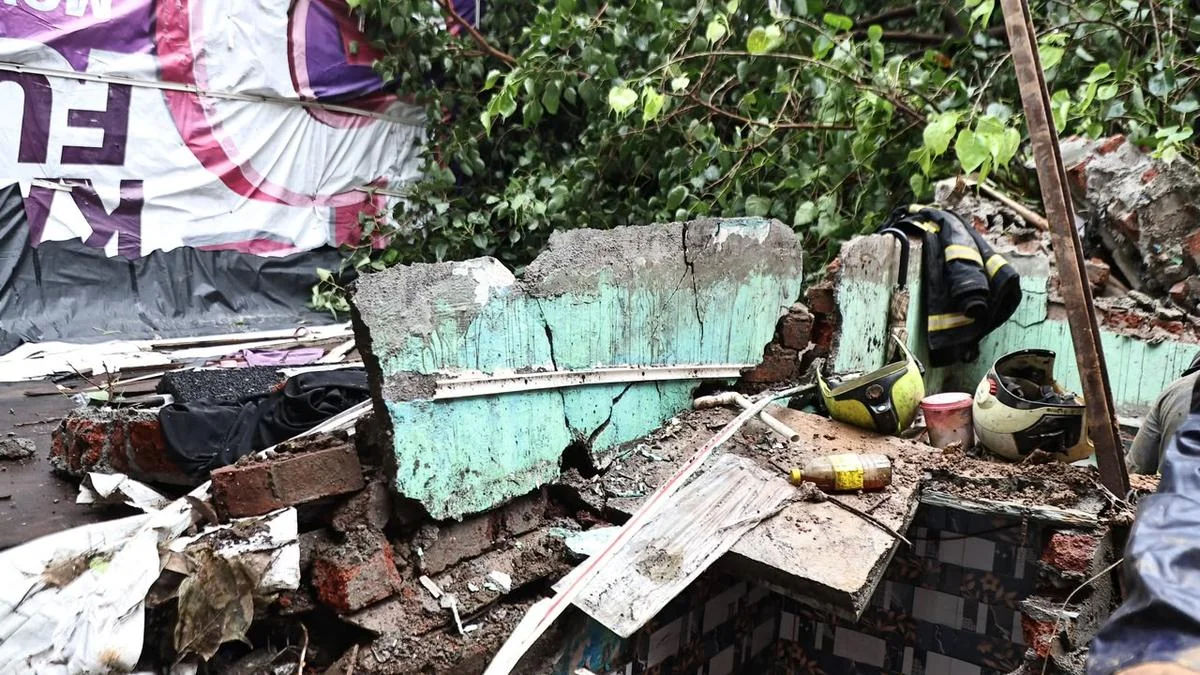
Tragedy in Mumbai's Monsoon:
A massive landslide has devastated residential areas in the Kurla and Ghatkopar regions of Mumbai, resulting in seven confirmed deaths and seven injuries. The disaster occurred on Wednesday morning when heavy monsoon rains triggered a sudden slope failure, sending mud and rocks crashing into several residential chawls. Between two and three houses were completely buried by the debris. Emergency response efforts are being led by the National Disaster Response Force (NDRF) and the Brihanmumbai Municipal Corporation (BMC) disaster management cell, who are working through challenging, narrow, and congested lanes to locate potential survivors.
Infrastructure and Negligence Claims:
The incident has drawn sharp criticism regarding urban safety and infrastructure management. Opposition leaders and Congress MPs have accused the BMC of gross negligence, alleging that pre-monsoon structural reinforcements for vulnerable hillside settlements were either ignored or left incomplete. The affected chawls were situated in known high-risk zones, making them particularly susceptible to the soil saturation caused by continuous, heavy downpours over the previous 48 hours. The city has seen similar incidents in the past, including the 2021 landslides in Mahul and Chembur, which highlight the systemic risks faced by informal hillside settlements during the peak monsoon season.
Response and Future Audits:
In response to the crisis, Mumbai’s Mayor Ritu Tawde has announced financial aid for the victims' families and confirmed that the injured are receiving treatment at municipal hospitals. The area remains under tight security, and the BMC is preparing to conduct safety audits of all chawls situated on hilly terrains across the city's eastern and western suburbs. While rescue teams focus on clearing the rubble to ensure no one remains trapped, the tragedy has intensified demands for the urgent relocation of residents from landslide-prone zones and improved slum rehabilitation projects to prevent future disasters.
Pulse Intelligence
Context & ImpactContext & Background
- Mumbai frequently experiences landslides during the July and August monsoon months, especially in areas where dwellings are built on unstable slopes without retaining walls.
- The BMC had identified several hundred high-risk landslide locations across Mumbai ahead of the 2026 monsoon season, yet accidents continue to occur in these vulnerable zones.
- Past tragedies, such as the 2021 landslides in Mahul and Chembur, have repeatedly underscored the dangers of unplanned urban development on hillside terrain.
Key Consequences
- The BMC is expected to initiate immediate structural audits of all chawls on hilly terrains to assess landslide risks.
- There will likely be increased legal and political pressure on the state government to expedite slum rehabilitation projects for vulnerable populations.
- Authorities are expected to issue stricter eviction or relocation notices for residents living in high-risk zones, potentially leading to social and administrative friction.
Market & Economic Impact
No direct market impact, though real estate sentiment in suburban hillsides may temporarily decline.
The Indus Pulse is committed to accuracy and transparency.