
July 25, 2026 at 04:20 PM 2 min readworlddeveloping
Mojtaba Khamenei Signals Shift Toward Nuclear Weapons, US Intel Says
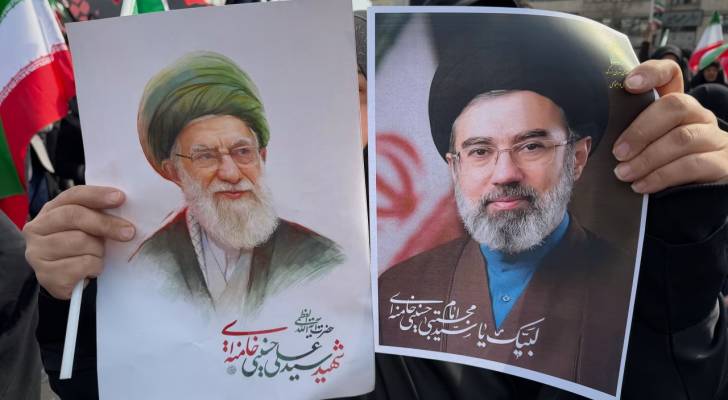
Mojtaba Khamenei Nuclear Stance:
Recent intelligence assessments from the United States indicate that Iran's new Supreme Leader, Mojtaba Khamenei, is demonstrating a significantly higher inclination to pursue a nuclear weapons program compared to his predecessor. Officials familiar with the classified reports suggest that the leadership transition in Tehran may be accompanied by a fundamental reassessment of the country’s nuclear doctrine. While the previous administration maintained a stance of keeping the nuclear program for peaceful purposes, albeit with advanced enrichment, current internal discourse within the ruling elite appears to be shifting toward the strategic value of nuclear deterrents.
Leadership Transition and Policy:
The transition of power to Mojtaba Khamenei follows the lengthy tenure of his father, Ali Khamenei, who often balanced the nation's nuclear ambitions with the necessity of avoiding catastrophic international sanctions. The shift in tone reflects a new generational approach to security, where the leadership may feel less bound by the specific religious edicts against nuclear armaments that defined the older guard's policies. Experts note that the internal power consolidation currently underway in Iran could empower the new leadership to prioritize military preparedness over historical diplomatic constraints in the face of ongoing regional instability.
Implications for Global Security:
The prospect of an overtly nuclear-armed Iran presents immediate challenges for international stability and impacts India’s geopolitical interests in the Middle East. Increased nuclear activity in the region would likely necessitate a recalibration of diplomatic efforts by major powers, potentially leading to renewed economic pressures or security alliances. For India, the primary concern remains the preservation of energy supply chains and the stability of the vital maritime corridors that connect Indian markets to Persian Gulf states. Future developments in Tehran's enrichment policy will dictate the next phase of the global diplomatic engagement with the region.
Pulse Intelligence
Context & ImpactContext & Background
- Ali Khamenei maintained a long-standing position that nuclear weapons were un-Islamic and served primarily as a negotiating tool.
- Iran has significantly increased its uranium enrichment levels over the past few years, bringing the state closer to weapons-grade capability.
Key Consequences
- International observers anticipate heightened diplomatic pressure from Western nations to re-establish strict monitoring of Iranian nuclear facilities.
- Regional neighbors may accelerate their own defense spending or seek increased security guarantees from global powers to counter potential nuclear developments.
- Increased volatility in energy markets is expected as global investors react to the prospect of escalating nuclear tensions in the Middle East.
Market & Economic Impact
Heightened nuclear tensions in the Middle East could drive significant fluctuations in global crude oil prices, impacting India's import costs.
The Indus Pulse is committed to accuracy and transparency.