
July 22, 2026 at 06:02 AM 2 min readaianalysis
Model Context Protocol And The Future Of AI Integration
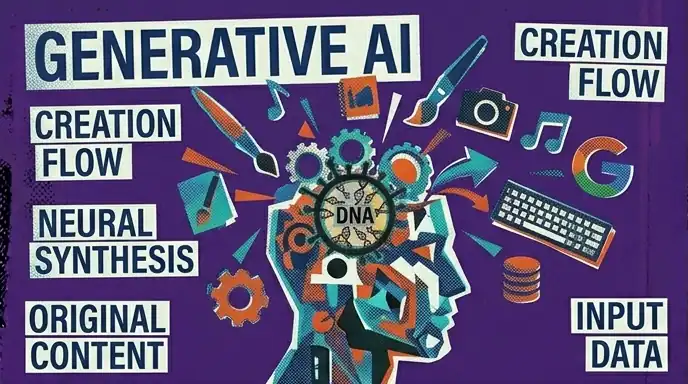
Architectural Innovation in AI:
The evolution of artificial intelligence is drawing inspiration from biological systems, with modern models like GPT-4 adopting mixture-of-experts architectures. This design choice mimics the brain's selective recruitment of specialized regions, allowing models to activate only the relevant portions of a network for specific tasks rather than running the entire model simultaneously. By optimizing resource allocation, developers can improve inference speed and efficiency, mirroring the efficient neural pathways utilized by human cognitive processes.
Interoperability and Connectivity:
Beyond internal architecture, the future of AI assistants hinges on standardizing how models connect to external services. The emergence of the Model Context Protocol (MCP) marks a behind-the-scenes shift that allows AI tools to interface more effectively with the myriad applications and services users rely on daily. While often invisible to the average user, this protocol enhancement is critical for creating reliable agents that can navigate complex software environments, extract data, and execute actions across disparate platforms without frequent authentication errors or contextual loss.
Long-Term Industry Impact:
These technical refinements represent the transition from general-purpose chatbots to specialized, integrated AI assistants. The synergy between sparse-expert architectures and standardized connectivity protocols is lowering the barrier for AI to function as a truly ubiquitous tool in the workplace. As developers continue to iterate on these protocols, the ability of AI models to remain context-aware across diverse digital workflows will determine their long-term value. Investors and tech leaders are increasingly focused on these infrastructure-level improvements, as they provide the necessary scaffolding for the next generation of AI-native applications to move beyond basic search and generation tasks.
Pulse Intelligence
Context & ImpactContext & Background
- Mixture-of-experts (MoE) architectures have become the standard for large-scale generative models to balance compute cost and performance.
- Model Context Protocol (MCP) was designed to solve common compatibility issues between diverse AI agents and business software.
Key Consequences
- AI agents will gain increased reliability and utility in professional environments by securely interacting with third-party software.
- Development cycles for AI-integrated apps will shorten as standard connectivity protocols replace proprietary, bespoke integration solutions.
- The tech market will increasingly value firms that contribute to foundational standards over those building siloed, closed-loop ecosystems.
Market & Economic Impact
Foundational connectivity and architecture standards are creating new competitive advantages for companies that can effectively bridge enterprise data with LLMs.
The Indus Pulse is committed to accuracy and transparency.