
31 Aug 2026, 12:33 PM 2 min readaianalysis
Microsoft Security VP: AI Shifts Cybersecurity Toward Defenders
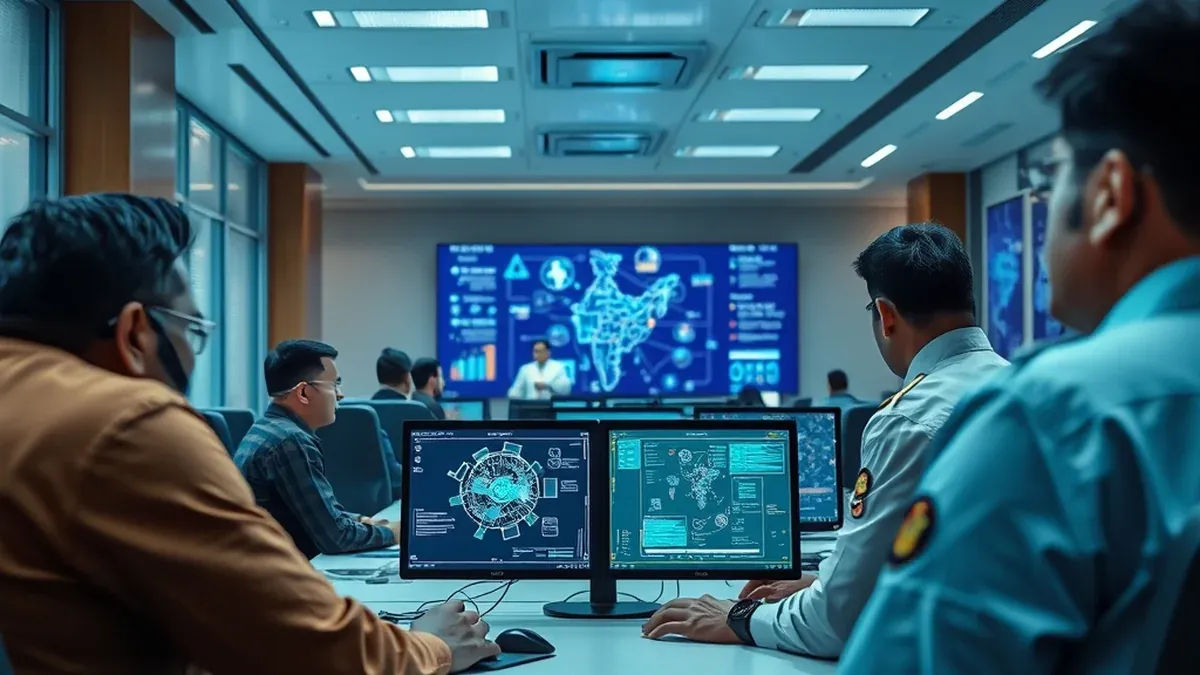
AI Advantage in Security:
Microsoft Corporate Vice President of Security Taesoo Kim posits that artificial intelligence will fundamentally realign the cybersecurity landscape, favoring defensive measures over offensive threats. By leveraging tools like the company's AI-driven MDASH system, defenders can identify and mitigate vulnerabilities with unprecedented speed. The system demonstrated its efficacy by identifying 66% of Windows vulnerabilities within a four-month timeframe last year, providing a robust model for future enterprise threat management.
Human Talent Evolution:
The shift toward AI-automated security processes necessitates a change in workforce requirements, moving away from specialized junior roles toward generalists with interdisciplinary skills. Kim emphasizes the growing necessity for talent proficient in AI, software development, and security protocols to oversee automated ecosystems. These individuals will play a critical role in managing systems where AI handles routine diagnostics, requiring a more nuanced understanding of underlying software vulnerabilities and systemic architecture.
India Strategic Impact:
This paradigm shift holds significant weight for India's massive IT services sector and security consulting landscape. As global enterprises increasingly adopt AI-powered defensive frameworks, Indian firms providing managed security services must rapidly upskill their workforce to remain competitive. This transition offers a distinct opportunity for India to bridge the gap between low-level task automation and high-value, AI-augmented security consulting, potentially creating a new export category for indigenous high-tech security talent.
Pulse Intelligence
Context & ImpactContext & Background
- Microsoft has integrated advanced machine learning models into its MDASH security platform to bolster Windows ecosystem protection.
- The cybersecurity industry has historically struggled with a skills gap, making automated tools essential for keeping pace with sophisticated threats.
Key Consequences
- Indian IT service providers will likely face increased pressure to retrain staff for AI-integrated cybersecurity workflows.
- Enterprises globally will shift budget allocations from manual threat hunting toward AI-orchestrated defense systems.
- Increased demand for AI-literate security professionals will likely drive wage growth for specialized talent in India.
Market & Economic Impact
No direct market impact.
The Indus Pulse is committed to accuracy and transparency.