
Health Desk July 18, 2026 at 01:06 AM 2 min readhealthanalysis
Microbiota Imbalance Linked To Intestinal Cancer
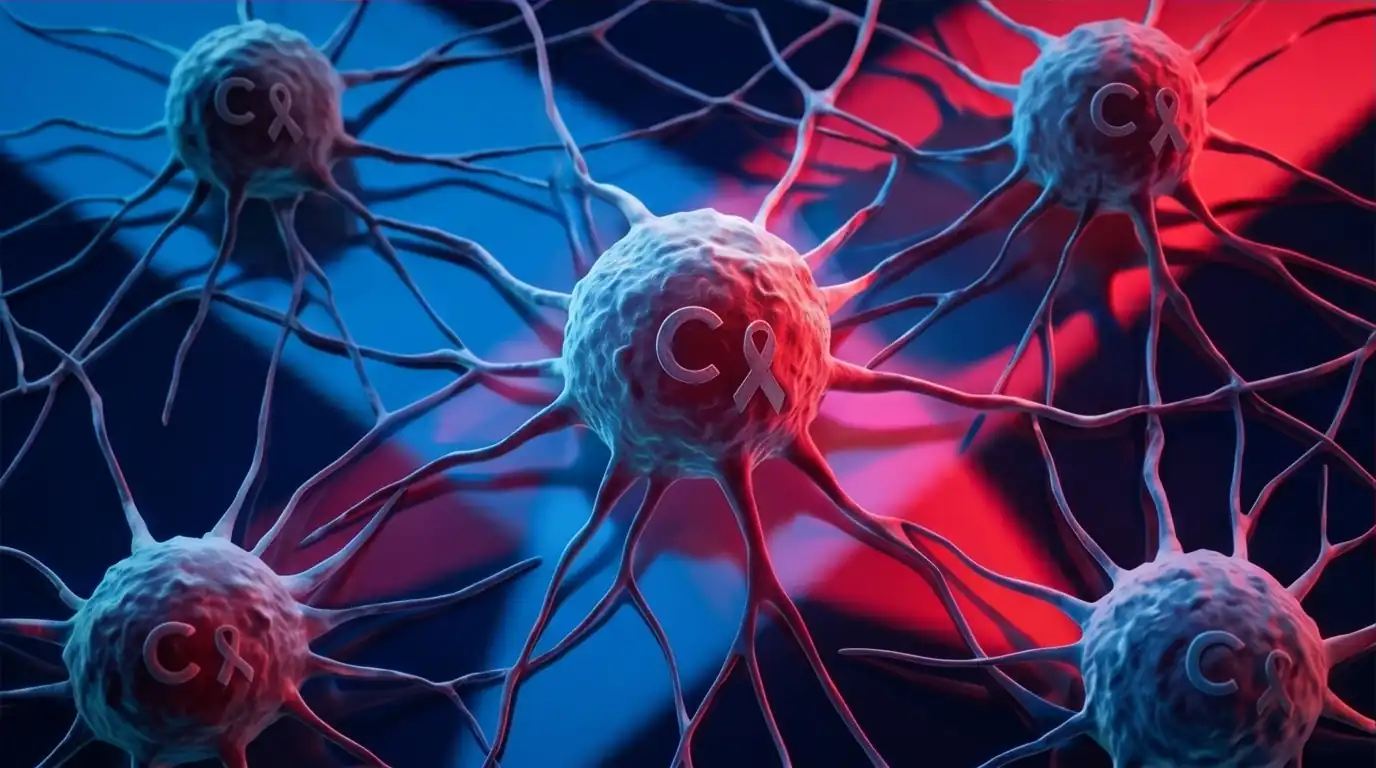
Microbiome and Cancer:
Recent scientific findings indicate that microbiota dysbiosis, an imbalance in the microorganisms within the gut, plays a significant role in promoting intestinal cancer by stimulating stemness in cancer cells. This process allows abnormal cells to maintain their ability to proliferate and resist conventional treatment. The research suggests that the gut microbiome is not merely a bystander but an active participant in tumor progression, offering new pathways for potential preventative and therapeutic strategies.
Broader Scientific Scope:
Beyond intestinal health, recent studies have identified that the brain also hosts a specialized microbiome, opening new avenues for understanding systemic health. Researchers are now exploring how shifts in these microbial communities influence immunity, metabolism, and cancer development across different organs. These findings highlight a paradigm shift from treating diseases in isolation to considering how the human host and its associated micro-ecosystems interact to maintain health or propagate disease.
Future Implications:
By understanding these microbial mechanisms, medical experts hope to reduce reliance on aggressive pharmaceutical interventions by focusing on gut health and microbiome stabilization. For the medical community in India, these insights support a growing focus on dietary management and probiotic-based interventions as complementary tools in cancer prevention. Future research will likely focus on targeted therapies that can modulate these microbial communities to halt the progression of cancer stem cells and improve patient prognosis in various gastrointestinal malignancies.
Pulse Intelligence
Context & ImpactContext & Background
- The human gut microbiome consists of trillions of bacteria that are essential for metabolic and immune function.
- Dysbiosis has been increasingly linked to chronic inflammatory conditions and various metabolic diseases.
Key Consequences
- Medical researchers may develop new diagnostic tests that analyze gut microbiome composition to assess individual cancer risk.
- Clinical trials will likely evaluate specific microbiome-modulating therapies as adjuncts to traditional chemotherapy or surgery.
Market & Economic Impact
No direct market impact.