
August 7, 2026 at 12:09 PM 2 min readhealthbreaking
Metallo Beta Lactamase Genes Detected In Clinical Acinetobacter Baumannii
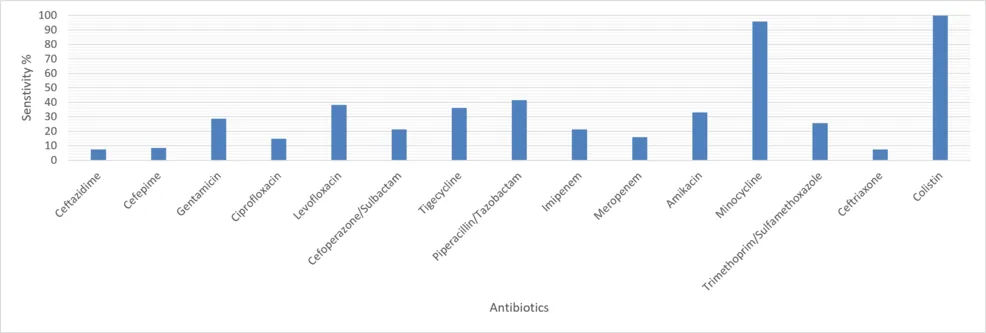
Clinical Isolate Analysis:
A prospective cross-sectional study conducted at a tertiary care center has evaluated the molecular detection of metallo-beta-lactamase-encoding genes in clinical isolates of Acinetobacter baumannii. The investigation highlights the growing prevalence of multidrug-resistant bacterial strains in hospital settings.
Antimicrobial Resistance Context:
Acinetobacter baumannii is a notorious opportunistic pathogen responsible for severe nosocomial infections, particularly among immunocompromised patients in intensive care units. The presence of metallo-beta-lactamase enzymes confers resistance to carbapenems, severely limiting available antibiotic treatment options.
Healthcare Infection Control:
Findings emphasize the urgent necessity for stringent hospital infection control protocols and continuous surveillance of antimicrobial resistance patterns. Medical facilities must adapt rapid diagnostic screening to track resistant genetic markers and curb nosocomial transmission.
Pulse Intelligence
Context & ImpactContext & Background
- Antimicrobial resistance has emerged as a major global health threat, complicating the management of hospital-acquired infections.
- Tertiary care hospitals frequently encounter multidrug-resistant bacterial pathogens that evade standard antibiotic therapy.
Key Consequences
- Hospitals will likely reinforce antibiotic stewardship programs and isolate screening protocols for high-risk patients.
- Infectious disease specialists will face increased urgency to develop alternative therapeutic regimens against carbapenem-resistant strains.
Market & Economic Impact
No direct market impact.
The Indus Pulse is committed to accuracy and transparency.