
India Desk July 14, 2026 at 04:34 PM 2 min readindiadeveloping
MEA Clarifies Passport Function Amid Citizenship Proof Debates
Government Clarification on Passport Usage:
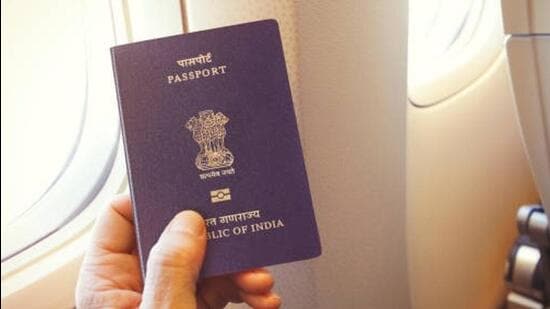
The Ministry of External Affairs (MEA) has recently reaffirmed that an Indian passport is primarily a document designed to regulate the departure of Indian citizens from the country, rather than a definitive legal proof of citizenship. This assertion, which underscores existing legal interpretations, follows a broader, ongoing discourse in the public and legal domains regarding what constitutes conclusive proof of Indian citizenship. Officials have pointed out that only approximately 8% of the Indian population holds a passport, making it an insufficient single standard for establishing the citizenship of the entire citizenry.
Legal and Administrative Context:
The discussion stems from varying perspectives on documentation requirements in India's administrative landscape. Legal experts, including former judicial figures, have expressed skepticism over the notion that a passport cannot serve as strong evidence of one's national status. These debates often highlight the complexities involved in identifying and verifying citizens, especially in the context of discussions around a potential nationwide social or citizenship register. The ambiguity surrounding valid documentation often leads to significant bureaucratic hurdles for residents attempting to access government services or prove their identity during routine administrative checks.
Implications for Citizenship Verification:
The clarification from the Centre signals a tightening of administrative standards regarding the use of specific documents for identity versus citizenship verification. As India grapples with the task of modernizing its citizen databases, the distinction between travel documents and citizenship evidence will likely remain a central point of contention. For the average citizen, this emphasizes the importance of maintaining foundational documents such as birth certificates, voter IDs, and Aadhaar cards as primary markers of identity. Moving forward, the government faces the challenge of harmonizing these documentation standards to minimize public confusion and prevent exclusionary administrative practices during future identity-related policy rollouts.
Pulse Intelligence
Context & ImpactContext & Background
- The debate over citizenship documentation has intensified following various legal challenges and public discussions concerning potential nationwide citizen registries.
- Legal scholars and activists have consistently called for greater clarity on which documents serve as absolute proof of citizenship under Indian law.
Key Consequences
- Citizens may face increased scrutiny when using passports for purposes other than international travel or simple identification.
- The government may need to issue comprehensive guidelines on valid citizenship proof to prevent local administrative confusion or citizen harassment.
Market & Economic Impact
No direct market impact.