
Health Desk July 17, 2026 at 07:07 AM 2 min readhealthanalysis
Study Links Maternal Ultra-Processed Food Diets To Child Health
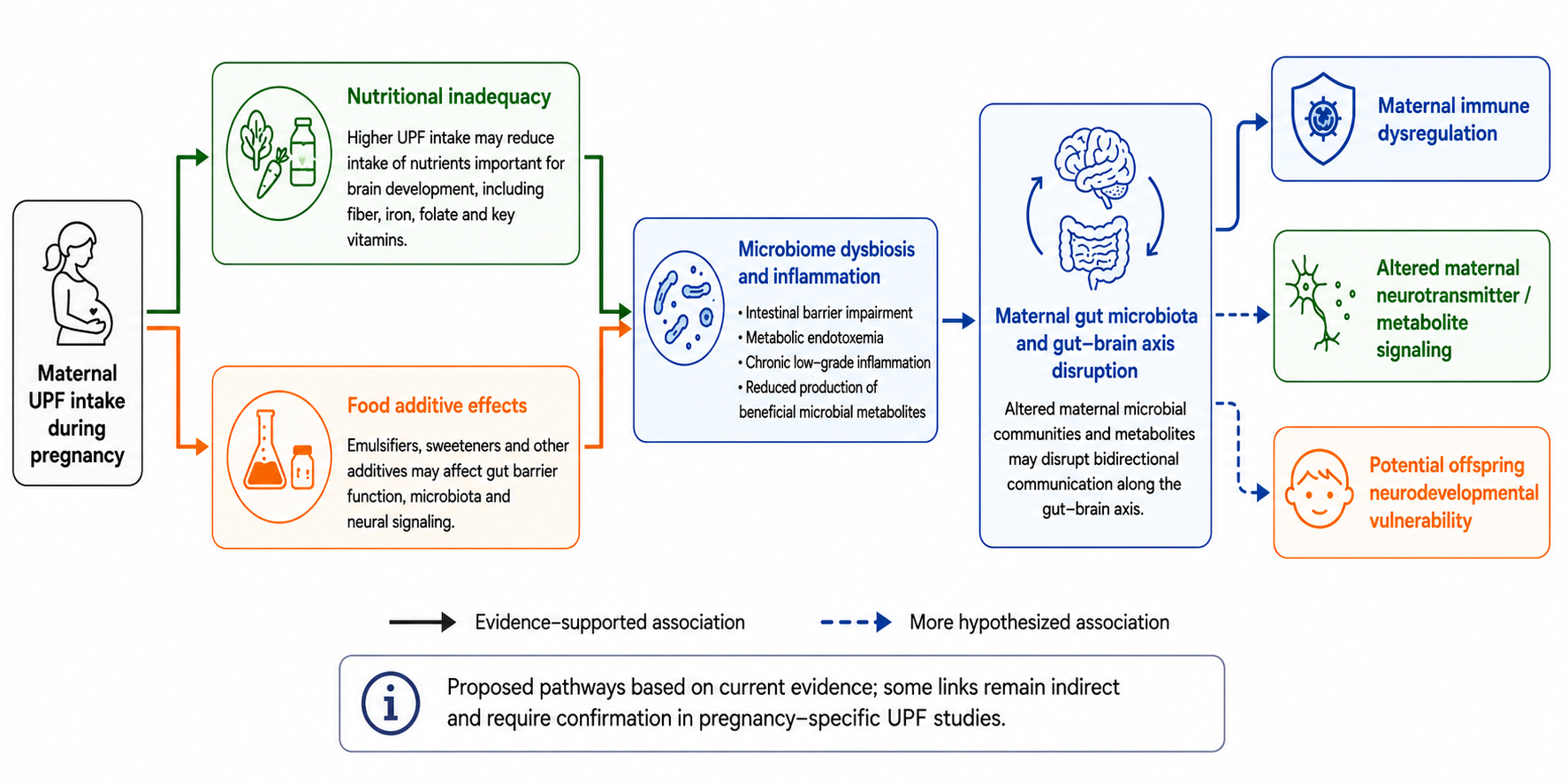
Maternal Diet Findings:
New research indicates that maternal diets high in ultra-processed foods (UPFs) may influence the long-term health outcomes of children. Studies suggest that consumption of these dietary products during pregnancy and lactation is correlated with potential metabolic and developmental risks in offspring years later. The research emphasizes that nutritional choices made by mothers have a lasting impact, underscoring the necessity for robust dietary interventions and improved nutrition education for pregnant women to ensure the healthiest possible start for the next generation.
Regulatory and Marketing Focus:
Concurrently, there is a mounting global movement led by health organizations to restrict the advertising of junk food specifically targeted at children. Health experts advocate for the same level of regulatory scrutiny for ultra-processed foods that is currently applied to the tobacco industry. Recent calls from the medical community suggest that current corporate marketing playbooks, which aggressively target younger demographics, significantly contribute to poor childhood health trajectories and require a shift toward more responsible dietary environments.
Implications for Policy:
Policymakers are being urged to integrate these findings into public health frameworks. Experts suggest that stronger oversight on junk food marketing and clear nutritional labeling are essential steps to mitigate the impact of UPFs on children. As UNICEF and other global health bodies continue to emphasize maternal and child health, the focus remains on systemic change to improve nutrition accessibility. Moving forward, health professionals will continue to monitor the long-term effects of maternal diet choices while advocating for stricter environmental and food policy regulations at the governmental level.
Pulse Intelligence
Context & ImpactContext & Background
- The debate over ultra-processed food consumption and its link to non-communicable diseases has gained momentum among pediatricians and nutritionists globally.
- Previous initiatives aimed at restricting child-targeted advertising for high-sugar and high-fat snacks have faced significant resistance from major food manufacturers.
Key Consequences
- Healthcare providers are expected to incorporate specific nutritional guidance regarding UPFs into prenatal and postnatal care protocols.
- Governments may face increased pressure to introduce stricter taxation or warning labels on food products high in artificial ingredients.
Market & Economic Impact
No direct market impact.