
August 12, 2026 at 09:08 AM 2 min readautoanalysis
Maruti Targets 30 Lakh Annual Sales With 7 New SUV Launches
Maruti Suzuki Expansion Strategy:
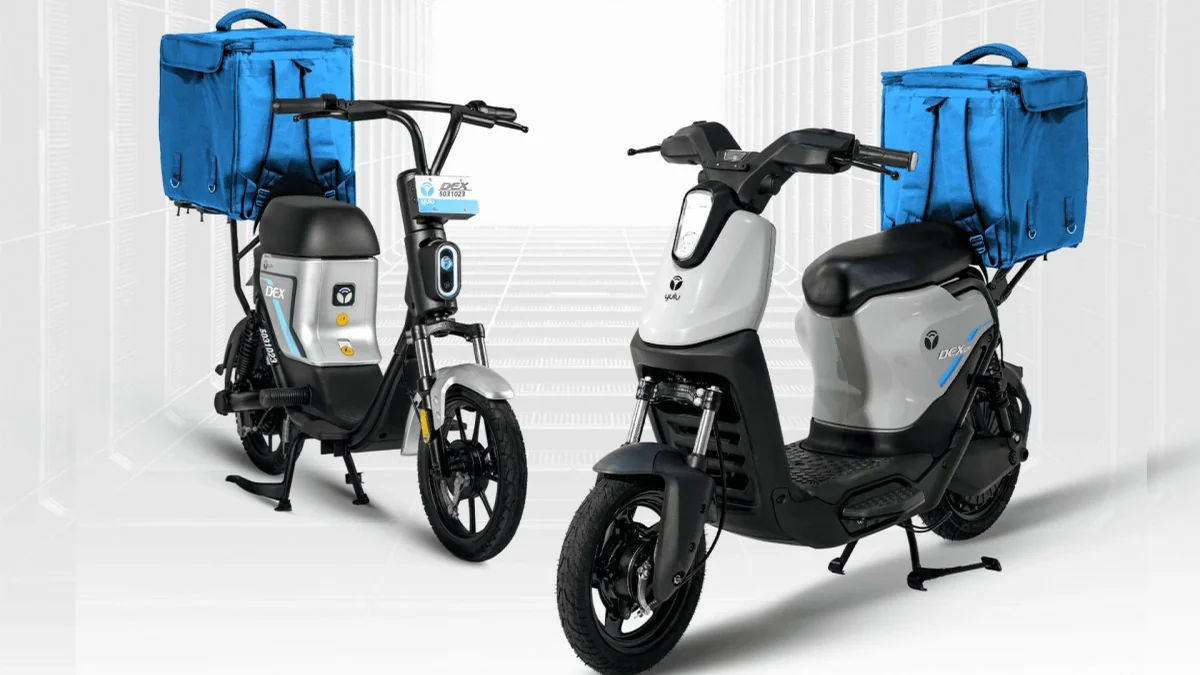
Maruti Suzuki has unveiled an ambitious long-term roadmap targeting 30 lakh units in annual sales by 2031, underpinned by the introduction of seven new SUV models. This strategic push comes as the Indian passenger vehicle market experiences a shifting consumer preference toward sport utility vehicles. Meanwhile, the startup ecosystem continues to thrive, evidenced by Yulu raising $93 million to meet the surging demand for e-bikes within the rapidly growing quick-commerce sector in India.
Market Dynamics and Growth:
The focus on SUV expansion reflects a wider industry trend where legacy manufacturers and startups alike are aggressively capturing market share in high-growth segments. Indian auto ancillary companies are also repositioning themselves to benefit from this, as smaller firms improve their efficiency to cater to the evolving requirements of major original equipment manufacturers. This consolidation of supply chain capacity is becoming critical as production volumes scale across the country.
Economic Outlook:
Analysts anticipate that the localized production of auto components will further strengthen India's position as a global manufacturing hub. The move by major players like Maruti to diversify their SUV portfolio is expected to heighten competition, ultimately benefiting domestic consumers with more model options. Investors are closely watching how these supply chain investments translate into long-term margins for auto ancillary stocks as the broader sector enters a new phase of production growth.
Pulse Intelligence
Context & ImpactContext & Background
- Maruti Suzuki has long dominated the Indian entry-level car segment but has faced increasing pressure to gain market share in the premium SUV category.
- The Indian quick-commerce sector has seen explosive growth over the past two years, significantly driving the demand for sustainable last-mile delivery solutions like electric two-wheelers.
Key Consequences
- The influx of new SUV models is expected to drive higher capital expenditure across the domestic automotive supply chain through 2031.
- Increased competition among auto ancillary suppliers may lead to a period of consolidation as smaller players struggle with scale requirements.
- Maruti Suzuki's aggressive sales target will likely force competitors to accelerate their own product refresh cycles.
Market & Economic Impact
Auto ancillary stocks are expected to see increased volatility as investors recalibrate their expectations based on production growth targets.
The Indus Pulse is committed to accuracy and transparency.