
Auto Desk July 16, 2026 at 07:07 AM 2 min readautobreaking
Maruti Suzuki Ordered To Replace Grand Vitara Over E20 Fuel Damage
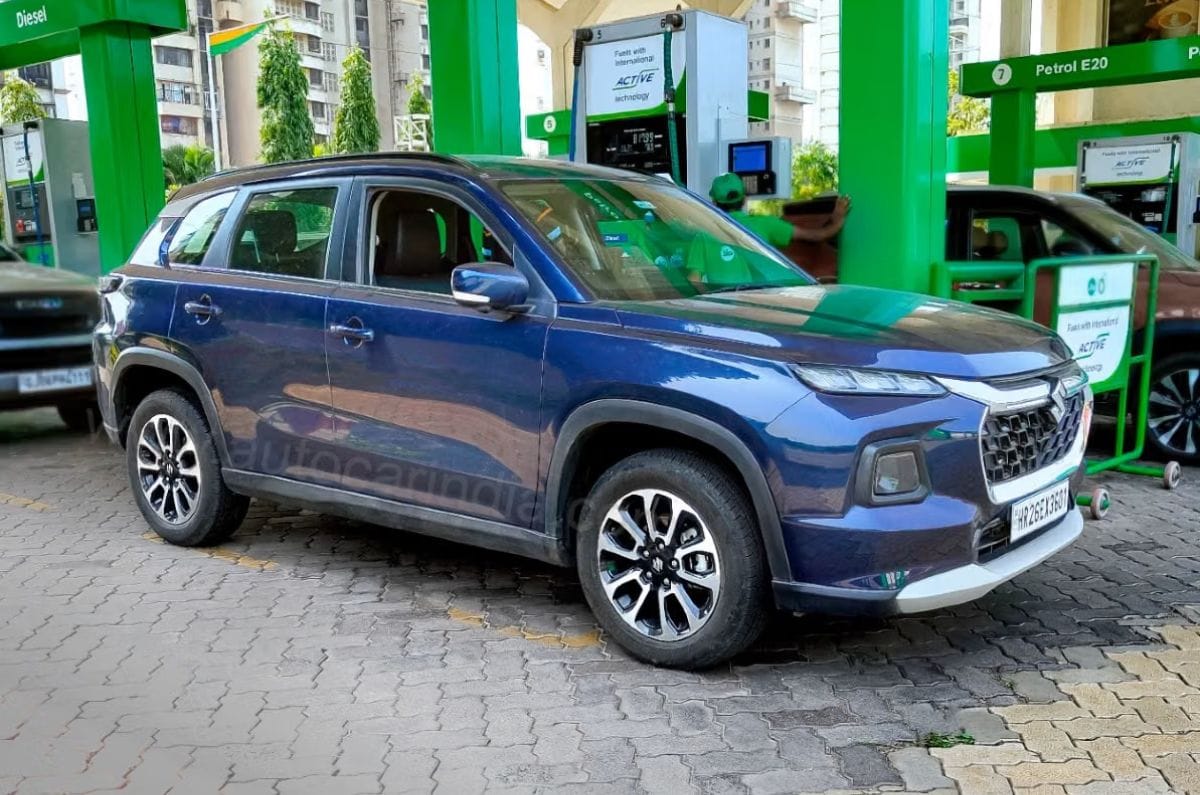
Consumer Court Ruling:
The District Consumer Disputes Redressal Commission in Raipur, Chhattisgarh, has ordered Maruti Suzuki to replace a Grand Vitara SUV belonging to Dr. Premraj Debta. The ruling comes after the complainant's vehicle suffered extensive engine damage and repeated stalling linked to E20 ethanol-blended fuel. The court has given the country's largest automaker a 45-day deadline to deliver a brand-new, E20-compatible model. If Maruti Suzuki fails to comply, it must refund the complete purchase value of Rs 20,50,494. Additionally, the manufacturer must pay Rs 1.1 lakh to cover litigation costs and compensation for mental harassment.
E20 Fuel Conflict:
The dispute originated after the customer purchased a Zeta+ variant of the Grand Vitara manufactured in January 2023. The vehicle's engine stalled repeatedly, requiring numerous visits to the authorized service center for fuel tank cleanings and fuel replacements. Despite these corrective measures, the engine issues persisted due to compatibility conflicts with E20 fuel. The consumer court highlighted that both the automaker and its local dealership failed to assist the buyer in securing an E20-compliant vehicle. This lack of support was officially classified as a deficiency in service and an unfair trade practice.
Implications for Auto Industry:
This order sets a critical precedent for the Indian automotive sector as the government aggressively pushes for 20 percent ethanol blending in petrol. Automakers must now ensure complete transparency regarding fuel compatibility and provide active support to prevent engine damage in older or non-compliant models. If Maruti Suzuki fails to meet the 45-day resolution window, a 7 percent annual interest rate will apply to the designated mental distress and legal fees. Car manufacturers across India are expected to scrutinize their warranty terms and customer communications regarding ethanol-blended fuel to avoid similar legal liabilities.
Pulse Intelligence
Context & ImpactContext & Background
- India has been rapidly phasing in E20 fuel, which consists of 20 percent ethanol blended with petrol, to reduce oil imports and curb carbon emissions.
- Many passenger vehicles manufactured before or during early 2023 were not fully optimized to handle higher ethanol concentrations, leading to material degradation and mechanical failures.
Key Consequences
- Automakers in India will likely update their vehicle manuals and sales disclosures to explicitly state E20 fuel compatibility.
- Consumer courts may see a rise in similar disputes as older, non-compliant vehicles encounter E20 fuel at regular petrol pumps.
- Maruti Suzuki may appeal the Raipur consumer court's decision in a state-level commission to avoid a costly precedent.
Market & Economic Impact
The ruling could pressure Indian automobile manufacturers to accelerate the rollout of fully flex-fuel and E20-compliant powertrains across their entire portfolios.