
20 Aug 2026, 09:22 AM 2 min readhealthbreaking
Maharashtra Declares Snakebite Deaths a Notifiable Disease
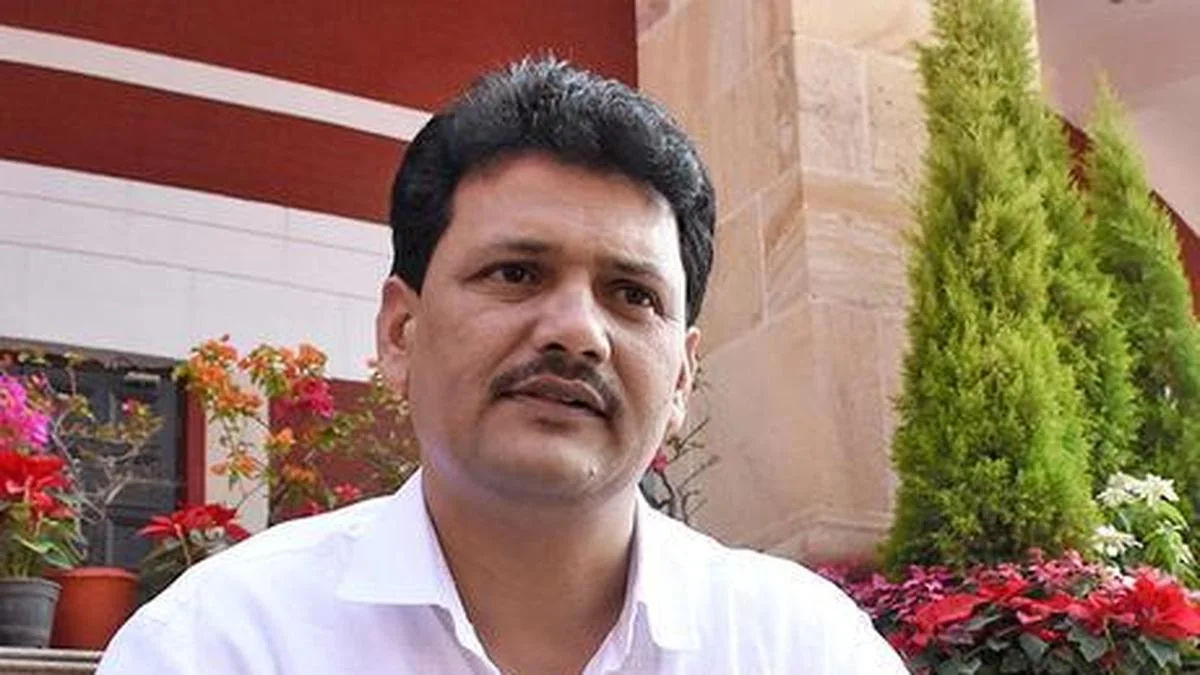
Maharashtra Health Policy Shift:
Maharashtra Health Minister Prakash Abitkar officially classified snakebite deaths as a notifiable disease throughout the state. This administrative shift follows a devastating incident in Japtalai village within the Dhanora taluka of Gadchiroli district. At a tribal residential ashram school, six schoolgirls were bitten by snakes during the night while they were sleeping. The tragedy resulted in the deaths of three students, prompting immediate state intervention to prevent future fatalities. The Public Health Department now mandates that all healthcare providers report every snakebite incident to the government.
Addressing Rural Medical Gaps:
This policy change targets long-standing issues regarding data collection and medical response in remote tribal belts. Historically, many snakebite cases in rural Maharashtra went unrecorded, hindering the efficient distribution of life-saving medical supplies. The Gadchiroli tragedy underscored the vulnerability of students in state-run residential institutions located in high-risk forest zones. By making the condition notifiable, the government can now monitor the specific species of snakes involved and the efficacy of local treatments. This system ensures that health officials receive real-time alerts whenever a cluster of bites occurs.
Future Surveillance and Antivenom Access:
Moving forward, the state will use this data to map high-risk zones and optimize the supply chain for polyvalent antivenom. Private practitioners and government hospitals must now comply with strict reporting timelines to avoid administrative penalties. For residents in Maharashtra's forest-fringe communities, this move promises better-equipped local clinics and faster emergency response times. The health ministry intends to integrate this reporting into the Integrated Disease Surveillance Programme to enhance overall public safety. Increased transparency is expected to drive better funding for rural healthcare infrastructure across the state.
Pulse Intelligence
Context & ImpactContext & Background
- Snakebites remain a significant public health challenge in rural India, frequently going underreported due to a lack of formal tracking mechanisms.
- Tribal districts like Gadchiroli face elevated risks because of dense forest cover and restricted access to specialized tertiary healthcare facilities.
Key Consequences
- The state government will likely mandate the stocking of snake antivenom at all primary health centers in tribal regions.
- Residential schools and ashram schools across Maharashtra will face stricter safety audits to secure living quarters against wildlife entry.
Market & Economic Impact
No direct market impact.
The Indus Pulse is committed to accuracy and transparency.