
August 15, 2026 at 02:35 AM 2 min readindiadeveloping
Karnataka HC and Maharashtra FDA Crack Down on Expired Food Sales
Food Safety Regulatory Crackdown:
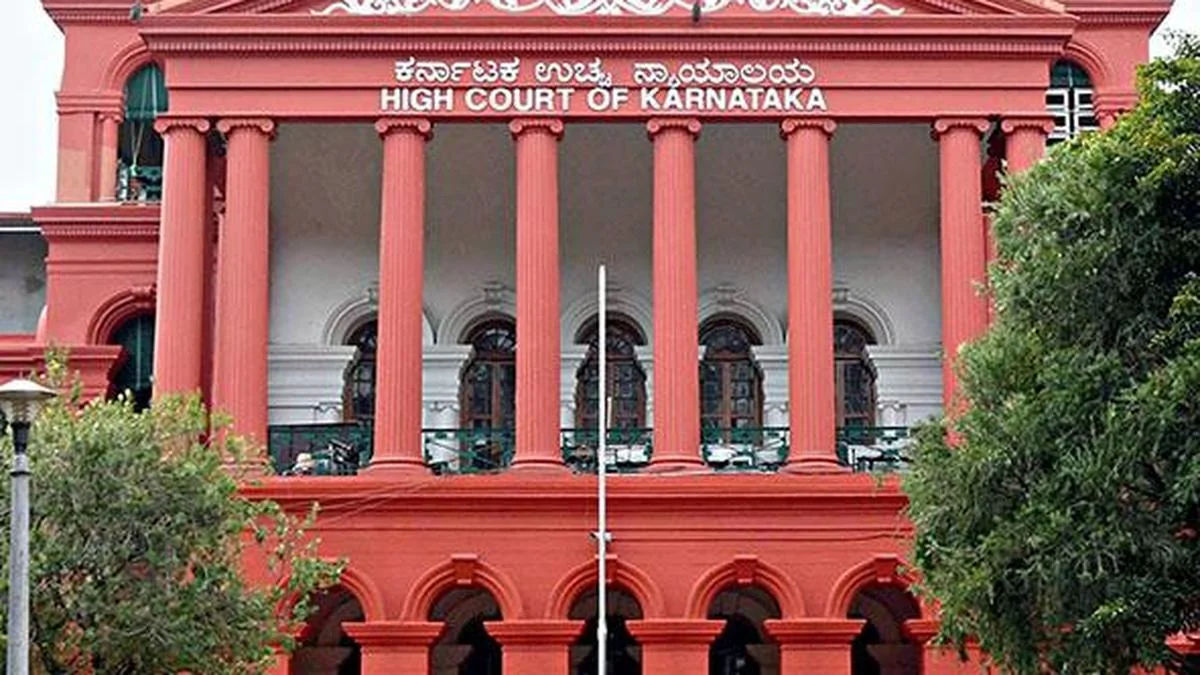
The Karnataka High Court has issued a stern warning against the relabeling and resale of expired food products, characterizing the practice as a calculated assault on public health. Simultaneously, the Maharashtra Food and Drug Administration (FDA) has suspended 14 licenses belonging to dark store facilities linked to major quick-commerce platforms. The affected entities include warehouses and distribution centers supporting prominent brands such as Blinkit, Zepto, and Swiggy Instamart. These coordinated actions highlight a growing national concern over the safety standards maintained by high-speed delivery services.
Hygiene and Relabeling Violations:
Recent inspections by the Maharashtra FDA revealed alarming sanitary conditions, including the presence of cockroaches and lizards within storage facilities. In Karnataka, the High Court refused to quash a criminal case against a recycling firm accused of applying fresh expiry labels to outdated stock to deceive consumers. These developments suggest a systemic failure in the rapid delivery supply chain, where the drive for operational speed has seemingly compromised fundamental hygiene protocols. The court emphasized that such fraudulent practices pose a direct threat to the lives of citizens and cannot be treated as minor procedural lapses.
Impact on Quick-Commerce Logistics:
This intensified scrutiny marks a turning point for India's rapidly expanding quick-commerce sector, which is estimated to reach significant valuation milestones by the end of 2026. Platforms are now under pressure to overhaul their inventory management systems and conduct more frequent warehouse audits to regain consumer trust. For the average Indian shopper, these enforcement actions signify a necessary shift toward greater accountability in the digital grocery space. Moving forward, the industry must balance the promise of 10-minute delivery with the mandatory requirements of the Food Safety and Standards Authority of India (FSSAI) to ensure public health is never secondary to convenience.
Pulse Intelligence
Context & ImpactContext & Background
- The FSSAI has recently increased inspections of dark stores due to several complaints regarding the quality of perishables delivered via quick-commerce apps.
- Quick-commerce platforms like Zepto and Blinkit have seen explosive growth in Indian urban centers, often prioritizing rapid expansion over logistics infrastructure.
Key Consequences
- Dark store operators will likely face mandatory monthly hygiene audits and stricter inventory tracking requirements from state FDAs.
- Quick-commerce platforms may see a temporary increase in operational costs as they upgrade storage facilities to meet higher sanitary standards.
Market & Economic Impact
Stricter regulations may temporarily slow the expansion plans of listed parent companies like Zomato (Blinkit) as compliance costs rise.
The Indus Pulse is committed to accuracy and transparency.