
August 16, 2026 at 02:36 AM 2 min readindiadeveloping
Madhya Pradesh Halts Subsidised Fertiliser Sales Amid Stock Audit
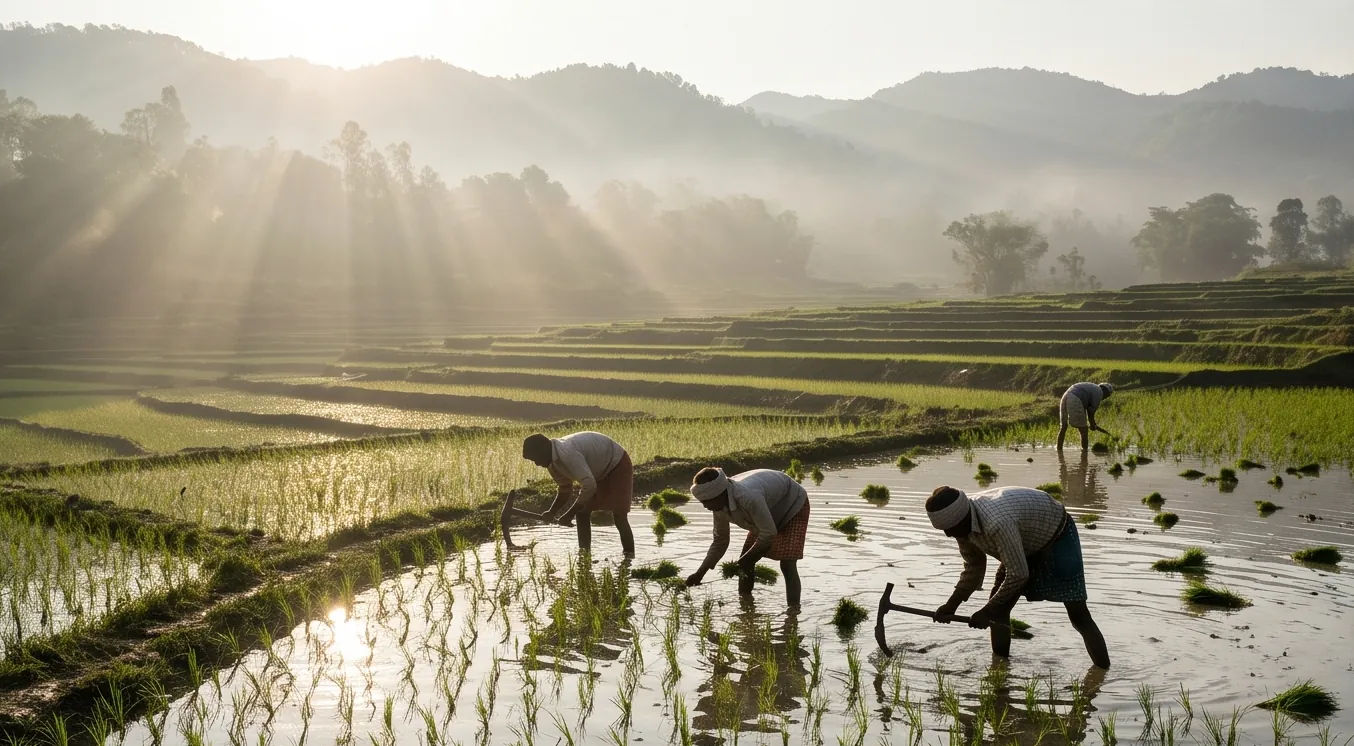
The Madhya Pradesh government ordered an immediate halt to the sale of subsidised fertilisers across the state on August 15, 2026. This administrative freeze is intended to facilitate a comprehensive stock verification process to account for existing inventories. Authorities have directed all cooperative societies and private retailers to pause distributions until officials complete the audit. The move has caught the farming community off guard, leaving thousands of cultivators unable to purchase essential nutrients for their fields during a critical phase of the agricultural cycle.
State officials initiated the stock check following numerous reports of irregularities and potential black-marketing of fertilisers in several districts. The government aims to reconcile the physical stock available in warehouses with the data recorded on the digital Point of Sale (PoS) systems. By halting sales, the administration hopes to prevent the illegal diversion of subsidised urea and Di-Ammonium Phosphate (DAP) to industrial users or neighboring states. However, the timing of this audit has drawn sharp criticism as the demand for fertilisers peaks during the current monsoon sowing season.
Farmers across Madhya Pradesh, particularly in the Gwalior, Morena, and Chambal regions, have expressed deep concerns regarding an impending supply crisis. Any delay in the application of fertilisers can significantly reduce the yield of Kharif crops like soybean, maize, and paddy. If the verification process extends beyond a few days, it may trigger widespread protests and social unrest in rural areas. The state government must expedite the audit and restore supply quickly to prevent a full-blown agricultural emergency that could impact food prices and rural incomes in central India.
Pulse Intelligence
Context & ImpactContext & Background
- Madhya Pradesh has faced recurring issues with fertiliser distribution, often leading to long queues and police intervention at distribution centers.
- The state is one of India's largest producers of soybean and wheat, making its agricultural stability critical for national food security.
Key Consequences
- Crop yields for the 2026 Kharif season could drop if fertiliser application is delayed by more than a week.
- Rural distress may lead to intensified political pressure on the state government during upcoming local body elections.
Market & Economic Impact
Reduced agricultural output in Madhya Pradesh could lead to higher wholesale prices for soybean and maize, impacting the national food inflation index.
The Indus Pulse is committed to accuracy and transparency.