
Health Desk July 16, 2026 at 11:07 AM 2 min readhealthdeveloping
Long COVID Linked to Dopamine System Injury, New Study Reveals
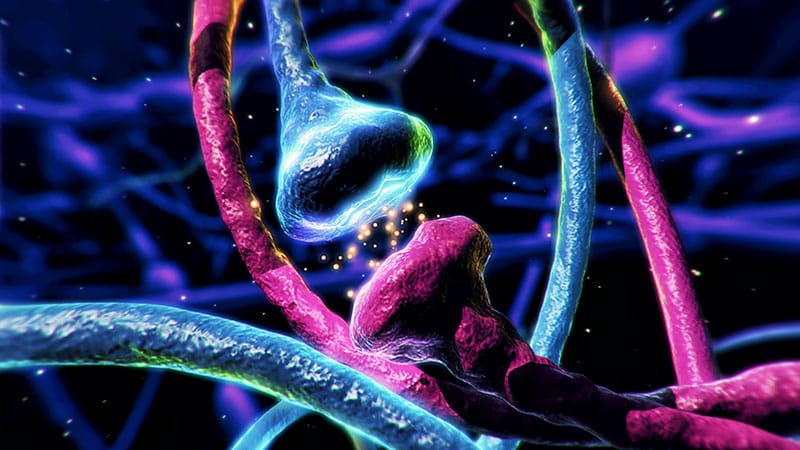
Long COVID Dopamine Connection:
Researchers have identified a significant association between Long COVID and damage to the brain's dopamine system, according to recent findings published in scientific journals. This study provides the first evidence that neurological symptoms associated with the condition may stem from injury to dopamine-producing neurons. The discovery offers a biological explanation for persistent symptoms that have previously been difficult to quantify in clinical settings.
Mechanisms of Neurological Impact:
The study utilizes advanced PET scans to visualize and track neuron loss within specific brain regions responsible for motivation, memory, and cognitive regulation. Scientists suggest that the systemic inflammation triggered by the virus may lead to these neurobiological changes, disrupting the brain's reward and chemical processing pathways. This disruption explains why many individuals experience profound brain fog, diminished motivation, and memory lapses long after the initial infection has resolved.
Clinical and Future Significance:
These findings represent a breakthrough in understanding the complexity of post-acute sequelae of SARS-CoV-2. By pinpointing a physical basis for neurological symptoms, medical professionals can better tailor rehabilitation strategies and potential pharmacological interventions to restore chemical balance in affected patients. For the Indian medical community, this research underscores the necessity of long-term neurological monitoring for patients who report lingering cognitive impairments post-recovery.
Pulse Intelligence
Context & ImpactContext & Background
- Long COVID encompasses a wide range of symptoms including fatigue, brain fog, and mood changes that persist months after infection.
- Previous research focused primarily on respiratory and vascular impacts of the virus, leaving neurological aspects less understood.
Key Consequences
- Development of new diagnostic tools to identify neurological impacts of post-viral conditions.
- Enhanced focus on neurological rehabilitation for patients suffering from long-term cognitive impairment.
Market & Economic Impact
No direct market impact.