
August 7, 2026 at 12:35 AM 2 min readindiabreaking
Lok Sabha Passes Taxation Amendment Bill 2026 With Key UPI Reforms
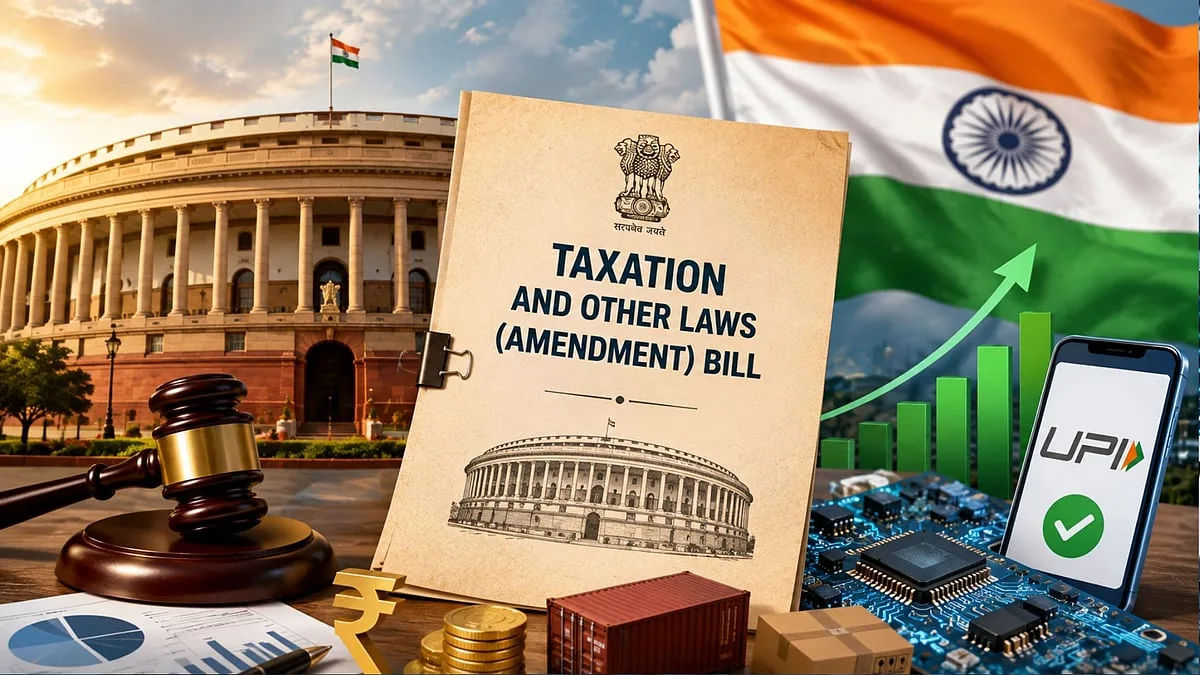
Taxation and Other Laws Amendment Bill Passage:
The Lok Sabha passed the Taxation and Other Laws (Amendment) Bill, 2026, on August 6, 2026, amid opposition protests. Introduced by Finance Minister Nirmala Sitharaman, the legislation replaces the June 2026 ordinance to bolster foreign investment, domestic manufacturing, and ease of doing business. It introduces significant changes to tax structures for REITs, InvITs, and foreign funds while modifying the regulatory landscape for electronic payments.
UPI Transaction Fee Authorization:
The bill empowers the government to permit banks to levy charges on UPI and other electronic transactions, removing the previous restriction on Merchant Discount Rates (MDR). Finance Minister Sitharaman emphasized that these charges, which may apply to business payments exceeding ₹2,000, will target merchants to support digital infrastructure innovation rather than hitting end-users. The legislation also provides 15-year tax exemptions for electronic component storage and rough diamond trading, aiming to solidify India as a global manufacturing and logistics hub.
Investment and REIT Regulatory Shifts:
Investors in REITs and InvITs gain dividend tax relief even under concessional regimes, balanced by a surcharge hike on SPVs from 10% to 25%. Furthermore, foreign cloud companies benefit from relaxed data center approval requirements and expanded tax exemptions for leased operations. As the government seeks to streamline offshore fund management, these shifts collectively aim to enhance India's appeal for global capital. The NPCI-led steering committee remains tasked with finalizing the specific fee structures for digital payment instruments.
Pulse Intelligence
Context & ImpactContext & Background
- The government promulgated the Income-tax (Amendment) Ordinance, 2026, on June 5, 2026, to address immediate fiscal and investment requirements.
- The bill replaces earlier legal frameworks including the Payment and Settlement Systems Act, 2007, and the Income-tax Act, 2025.
Key Consequences
- Merchants may begin paying MDR fees on UPI transactions exceeding ₹2,000, once the NPCI finalizes the regulatory framework.
- Foreign companies operating in electronics and data center sectors will benefit from long-term tax exemptions through 2041.
- Effective corporate tax rates for REIT/InvIT SPVs opting for the new tax regime will rise to approximately 28.6%.
Market & Economic Impact
The legislative changes are expected to influence fintech infrastructure investment and the financial viability of REIT/InvIT assets in Indian markets.
The Indus Pulse is committed to accuracy and transparency.