
August 16, 2026 at 06:19 PM 2 min readindiaanalysis
CJP Alleges Lok Sabha Blocked Questions on NEET and Youth Protests
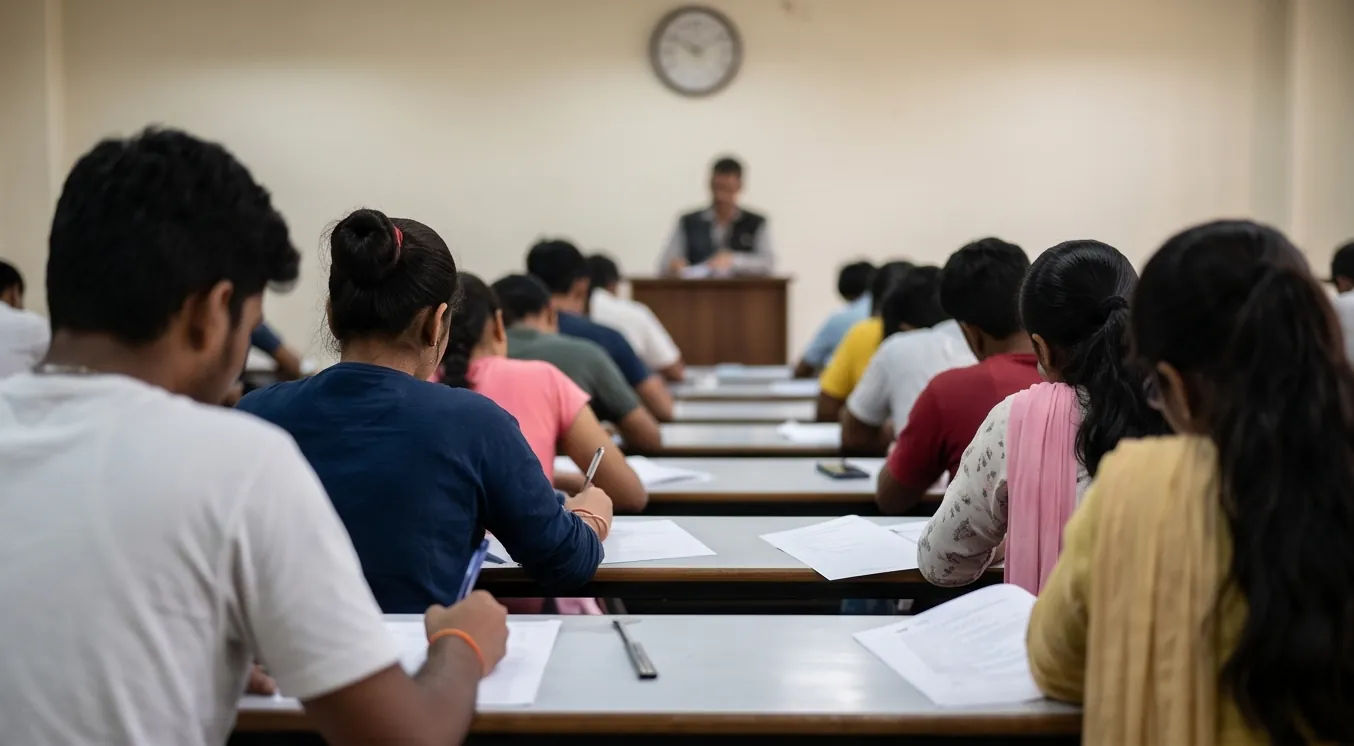
Parliamentary Rejections Alleged:
Saurav Das, a researcher with the Common Journalistic Practice (CJP), has alleged that the Lok Sabha Secretariat disallowed three sets of questions concerning nationwide youth protests. These questions specifically sought government data and responses regarding the NEET medical entrance exam controversies and subsequent police actions against student demonstrators. Das argued that rejecting these queries prevents elected representatives from holding the executive accountable on issues that affect millions of students across India.
Dissent and Gagging Concerns:
The move has sparked criticism regarding the transparency of parliamentary proceedings. Critics, including Das, have described the rejection as an attempt to 'gag' Parliament and ignore the grievances of the youth. They claim that the disallowed questions were within the permissible framework of parliamentary rules and were of significant public interest. The Lok Sabha Secretariat usually rejects questions if they are deemed sensitive, repetitive, or outside the jurisdiction of the specific ministry, but activists argue this power is being used excessively.
Broader Implications for Accountability:
This development comes amid a heated national debate over the integrity of competitive exams in India. By blocking formal inquiries in the House, the government avoids providing written records that can be used for public scrutiny. The CJP has called for a review of the criteria used to disallow questions, stating that the current trend undermines the democratic function of the legislature. Student groups have also expressed dismay, stating that their concerns are being systemically silenced at the highest level of governance.
Pulse Intelligence
Context & ImpactContext & Background
- The NEET exam in 2026 has been marred by allegations of paper leaks and grace mark irregularities, leading to nationwide student unrest.
- Parliamentary rules allow MPs to ask 'starred' and 'unstarred' questions, which the government is mandated to answer if they are accepted.
Key Consequences
- Opposition parties are likely to raise the issue of 'blocked questions' as a violation of parliamentary privileges in the next session.
- The lack of official data may force activists to rely on Right to Information (RTI) filings, which are often delayed or denied.
Market & Economic Impact
No direct market impact.
The Indus Pulse is committed to accuracy and transparency.