
August 14, 2026 at 09:10 AM 2 min readhealthanalysis
Laparoscopic Cholecystectomy: Managing Intraoperative Difficulty
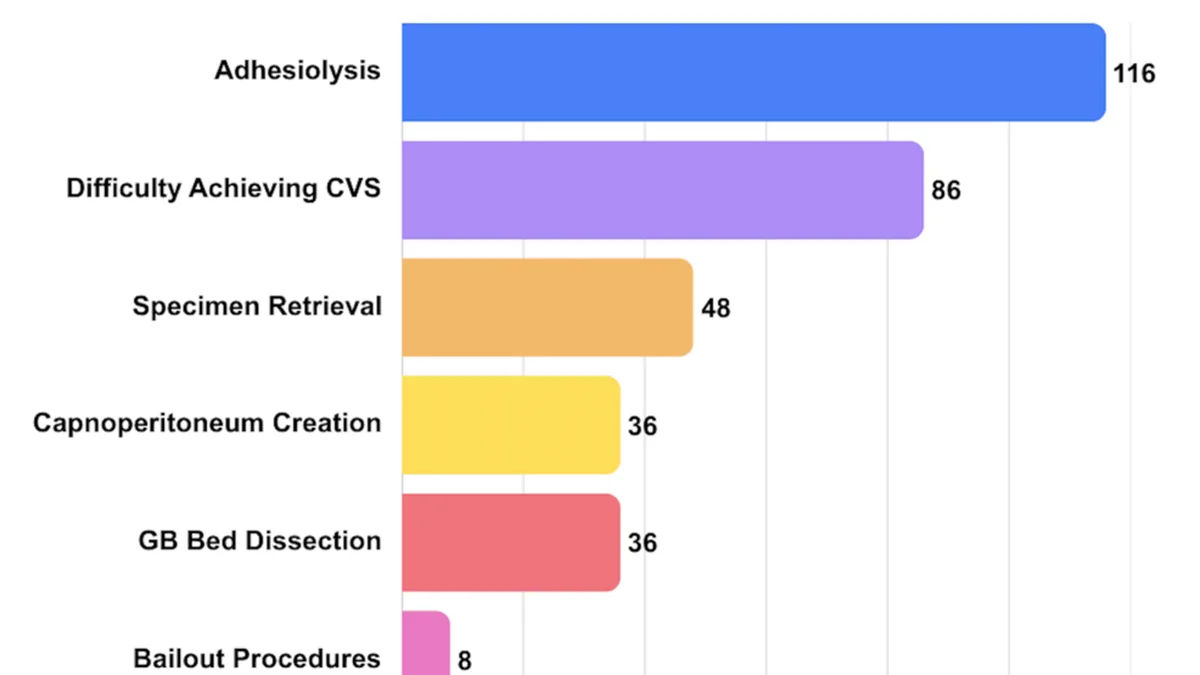
Surgical Challenges in Cholecystectomy:
Laparoscopic cholecystectomy remains a standard procedure for gallbladder removal, yet it presents a variable spectrum of intraoperative difficulty. Recent medical analysis highlights the importance of a systematic, step-wise approach to handle complications and ensure surgical safety. Surgeons are encouraged to follow standardized protocols to evaluate tissue anatomy, identify potential risks early, and maintain a patient-centric focus during the procedure. These methodologies aim to reduce operative time and lower the incidence of accidental damage to adjacent structures.
Clinical Protocols and Safety:
The focus on procedural safety stems from the complex anatomy of the biliary tree, which can lead to complications if surgeons encounter inflammation or scarring. By breaking down the surgery into key milestones, practitioners can better manage the difficulty spectrum. This analytical framework provided in clinical literature serves to guide surgeons in navigating high-risk cases. It emphasizes that constant vigilance and clear anatomical visualization are non-negotiable elements in preventing long-term patient health risks.
Significance in Modern Healthcare:
For patients in India, the adoption of these standardized surgical strategies in hospitals significantly impacts recovery outcomes and overall health quality. As minimally invasive techniques become more common across diverse healthcare settings, ensuring consistent surgeon training based on such analyses is vital. The clinical findings provided by medical researchers assist hospitals in refining their operative techniques, directly contributing to improved post-operative safety standards and the ongoing evolution of general surgery practices.
Pulse Intelligence
Context & ImpactContext & Background
- Laparoscopic cholecystectomy is a common minimally invasive surgical procedure performed to remove gallbladders affected by stones or inflammation.
- Medical literature frequently updates operative protocols to address the varied anatomical challenges encountered during gallbladder surgeries.
Key Consequences
- The widespread adoption of step-wise analytical protocols may lead to a decrease in surgical complication rates in Indian hospitals.
- Standardized training for surgeons could improve efficiency and safety in minimally invasive clinical environments.
Market & Economic Impact
No direct market impact.
The Indus Pulse is committed to accuracy and transparency.