
August 17, 2026 at 11:41 AM 2 min readindiadeveloping
Karnataka Food Safety Crackdown: 400kg Meat Seized in Major Raid
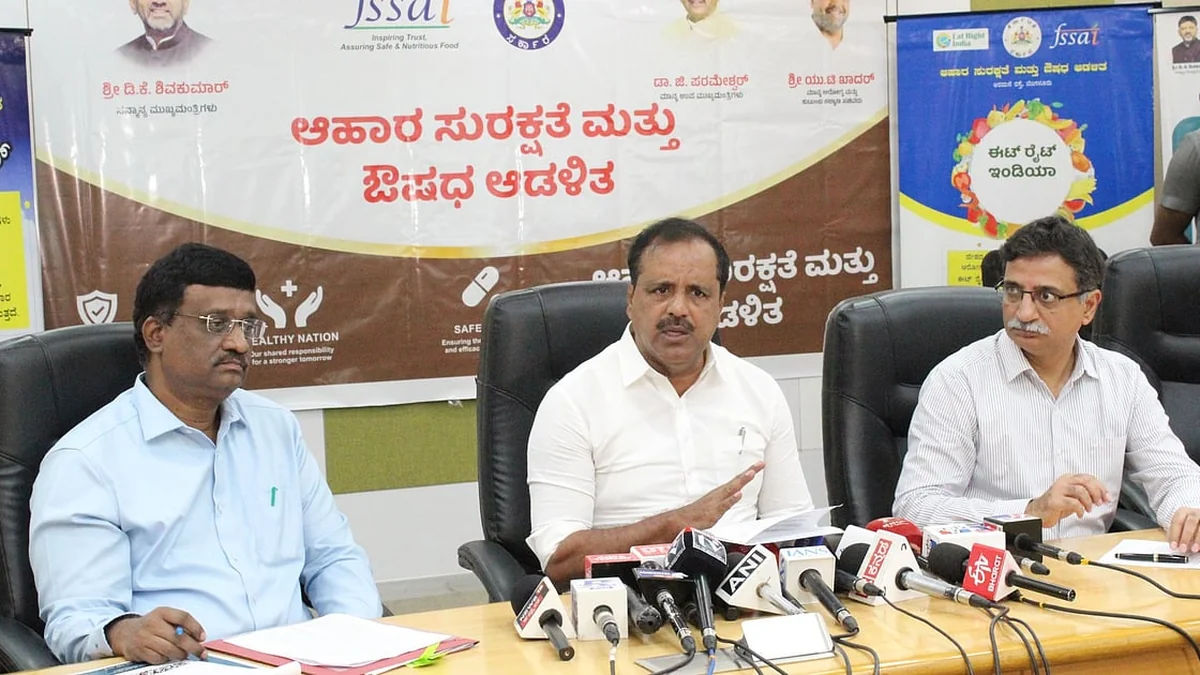
Massive Meat Seizure:
The Karnataka Food and Drug Administration has seized more than 400 kilograms of stale or uncertified meat during a rigorous two-week enforcement campaign. The crackdown targeted a broad spectrum of food providers, including local government canteens, university hostels, and several prestigious five-star hotels in Bengaluru. Officials reported that the meat was either stored in unhygienic conditions or had far exceeded its safe consumption date, posing a severe risk to public health.
Extent of the Crackdown:
Inspectors from the state’s food safety wing visited over 2,000 establishments, resulting in numerous fines and the immediate closure of several non-compliant kitchens. Beyond meat, the raids uncovered the use of synthetic food colors in kebabs and the sale of stale bread and expired condiments. The drive was particularly focused on popular street food items like shawarma and kebabs, which have been linked to recent localized reports of food poisoning across the state.
Impact on Public Health:
This aggressive campaign is part of a larger initiative to restore consumer confidence in Karnataka's hospitality and food service industry. By publicly naming high-end establishments and government facilities alike, the FDA is signaling that food safety standards will be enforced without exception. For residents, this move heralds a period of stricter quality monitoring, as the state government plans to introduce mandatory hygiene ratings that must be displayed at all food outlet entrances.
Pulse Intelligence
Context & ImpactContext & Background
- Karnataka has seen a rise in food safety complaints over the last six months, particularly concerning street food hygiene.
- The state government recently banned certain synthetic food colors in popular snacks like Gobi Manchurian.
Key Consequences
- Mandatory implementation of real-time temperature monitoring for meat storage in large hotels.
- Stricter licensing requirements for vendors selling high-risk items like shawarma and grilled meats.
Market & Economic Impact
The hospitality sector may see temporary disruptions as establishments overhaul their supply chain and storage practices to meet new standards.
The Indus Pulse is committed to accuracy and transparency.