
July 25, 2026 at 01:10 AM 2 min readhealthanalysis
Recognizing Early Signs Of Juvenile Idiopathic Arthritis In Children
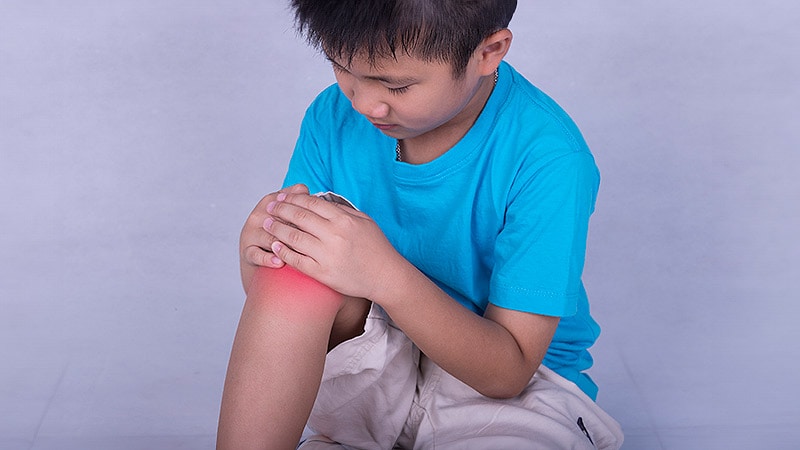
Arthritis In Children:
Persistent joint pain in children is often incorrectly dismissed as normal growing pains, yet it may signal the presence of juvenile idiopathic arthritis (JIA). Medical professionals urge parents to pay close attention to signs like morning stiffness, persistent swelling, or limited range of motion in joints. Unlike transient growing pains, JIA is a chronic autoimmune condition that requires timely intervention to prevent long-term joint damage. Identifying these symptoms early can be transformative for the long-term mobility and quality of life of affected children.
Diagnostic Challenges:
Parents often wait for symptoms to resolve on their own, unaware that early medical consultation is critical for managing inflammatory conditions. Experts highlight that JIA is not a single disease but a spectrum, with some types affecting a few joints while others are systemic. Because the pain can fluctuate, it is vital to track the duration and frequency of symptoms systematically. Clinical evaluation, including specialized blood tests and physical examinations, is necessary to distinguish inflammatory arthritis from benign conditions and ensure appropriate, evidence-based management starts early.
Treatment Pathways:
Early diagnosis allows for advanced treatments, including biologics and physical therapy, which are highly effective at inducing remission. Pediatric rheumatologists emphasize that modern care strategies focus on aggressive, early control of inflammation to prevent irreversible joint erosion. Parents should maintain a detailed journal of symptomatic episodes to assist clinicians in developing a precise care plan. With consistent care and regular monitoring, most children diagnosed with JIA can lead active, normal lives, emphasizing the importance of not ignoring persistent physical discomfort in young patients.
Pulse Intelligence
Context & ImpactContext & Background
- Juvenile idiopathic arthritis is the most common form of chronic arthritis in children and adolescents.
- Chronic inflammation in joints can lead to permanent damage if treatment is delayed beyond early stages.
Key Consequences
- Higher rates of early specialist referrals for children with non-resolving joint pain.
- Increased awareness programs directed at schools and parents regarding autoimmune indicators in youth.
Market & Economic Impact
No direct market impact.
The Indus Pulse is committed to accuracy and transparency.