
August 4, 2026 at 12:36 AM 2 min readindiaanalysis
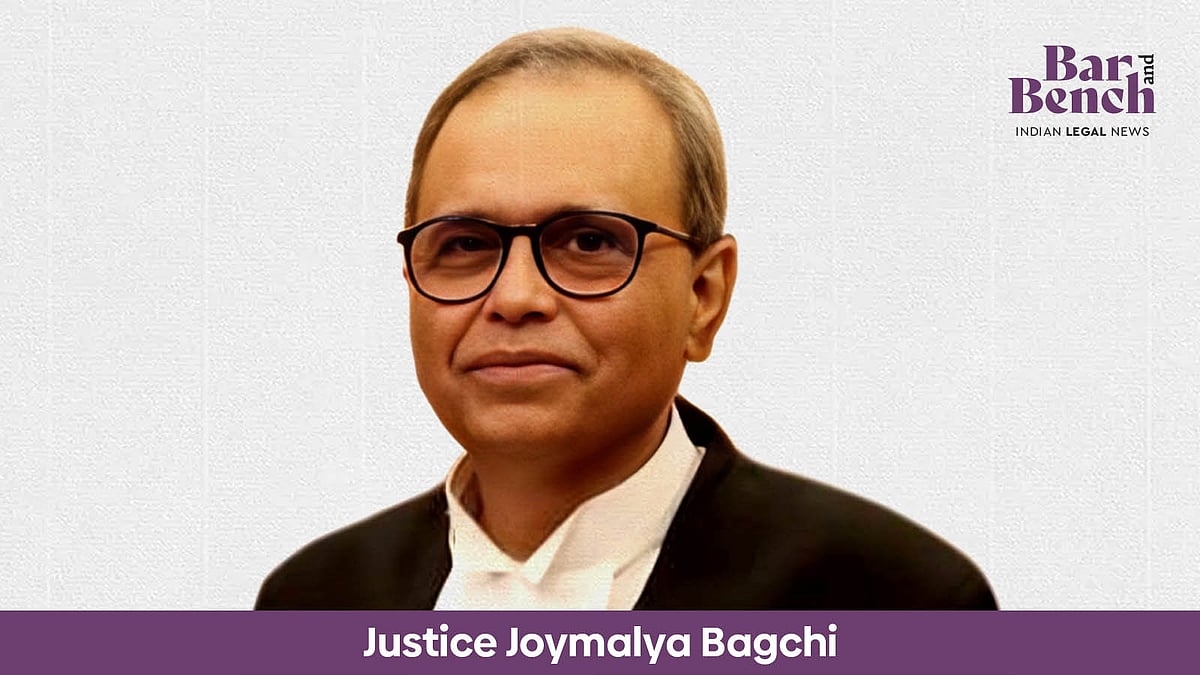
Justice Joymalya Bagchi Warns Against Social Media Marketplace Of Likes
Judicial Social Media Critique:
Justice Joymalya Bagchi stated that social media has transformed the delivery of justice into a "marketplace of likes," warning against the trivialization of court proceedings. Speaking at a legal forum, the judge highlighted the danger of clips being taken out of context to suit digital narratives rather than legal truths. He argued that the quest for viral content threatens the solemnity of the courtroom and could unfairly influence public perception of judicial outcomes. These remarks come at a time when live-streaming of Indian courts has increased significantly across various high courts and the Supreme Court.
Livestreaming and Privacy Concerns:
The Supreme Court of India is currently deliberating on a standardized protocol to manage and archive its live-streaming footage. This move follows concerns regarding the doxxing of judges and lawyers when sensitive cases are broadcast to a global audience. While Right to Information (RTI) activists have petitioned the court to lift blanket bans on sharing clips, the judiciary remains cautious about potential misuse. The proposed protocol aims to balance the constitutional right to an open trial with the practical need to protect the privacy and safety of all participants in the legal process.
Transparency versus Safety:
The outcome of these discussions will determine how the Indian public interacts with the apex court’s daily functioning in the digital age. Establishing a secure archive would provide a valuable resource for legal students and researchers while ensuring that footage is not edited to mislead the public. For the average Indian citizen, these changes signify a move toward greater transparency in the higher judiciary, though with stricter controls on social media redistribution. The legal fraternity is now waiting for the Supreme Court to clarify who can legally report on and share audio-video recordings of ongoing proceedings.
Pulse Intelligence
Context & ImpactContext & Background
- The Indian Supreme Court began live-streaming its proceedings in late 2022 to increase public access to constitutional bench hearings.
- Social media platforms have seen a surge in 'courtroom highlights' videos, which often use dramatic music or selective editing to portray judges in a specific light.
- The issue of judicial transparency versus privacy has been a subject of ongoing legal debate, especially with the rise of digital reporting.
Key Consequences
- The Supreme Court may implement a centralized portal with watermarked footage to prevent unauthorized editing and sharing of court clips.
- New guidelines could be issued to news organizations and digital content creators regarding the legal use of judicial live-stream archives.
- Public access to court proceedings may become more regulated to balance transparency with the protection of judicial participants.
Market & Economic Impact
No direct market impact.
The Indus Pulse is committed to accuracy and transparency.