
August 17, 2026 at 04:20 AM 2 min readindiabreaking
Jharkhand Protesters Burn Effigies As State Government Calls For Talks
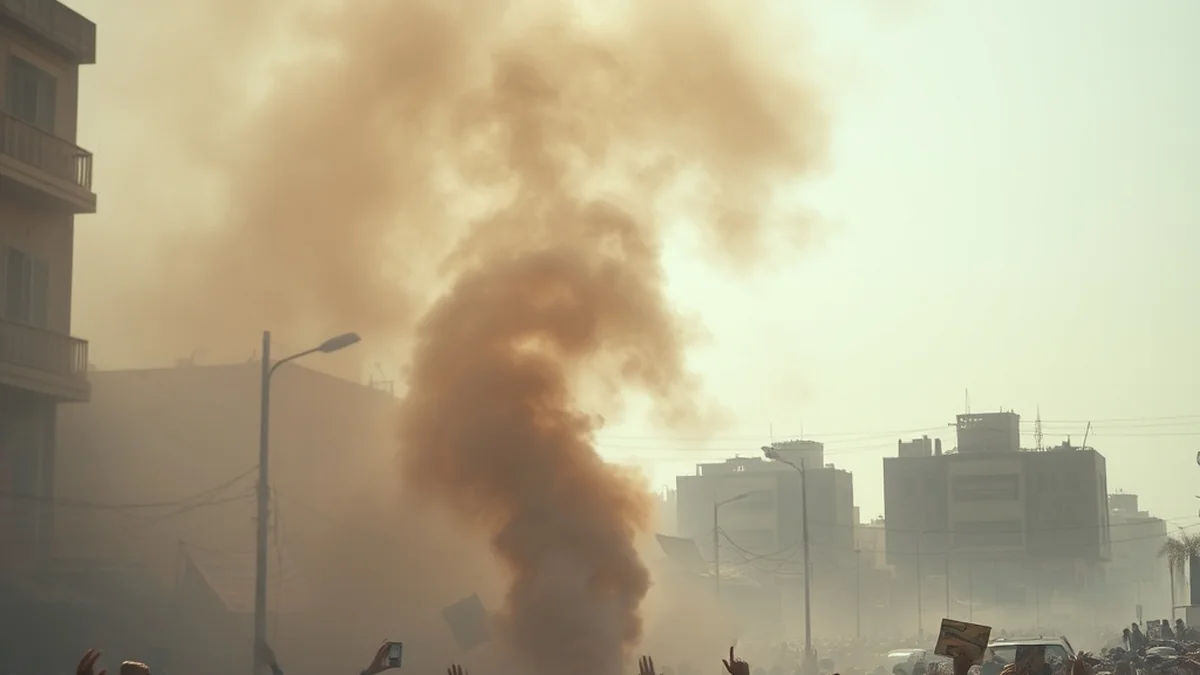
Jharkhand Protest Intensification:
Protesters in Jharkhand have intensified their demonstrations by burning effigies of Chief Minister Hemant Soren and Congress leader Rahul Gandhi. The unrest, largely led by students and local youth groups, has spread across several districts as demonstrators express deep dissatisfaction with the state government's policies. In a dramatic symbolic gesture, some protesters even shaved their heads to perform the "last rites" of the political leaders, claiming they are "as good as dead" to the public. These actions represent a significant escalation in the ongoing friction between the youth and the ruling coalition.
Student Grievances and Symbolic Acts:
The core of the protest stems from perceived government inaction on employment and local policy issues. Students burning effigies of CM Soren, Rahul Gandhi, and Tejashwi Yadav stated that they no longer expect anything from the current administration. The use of funeral rituals as a form of protest highlights the level of emotional and political alienation among the youth. These symbolic acts were carried out in public spaces, drawing large crowds and creating a volatile environment as security forces monitored the situation closely to prevent violence.
Government Response and Negotiations:
In response to the escalating anger, the Jharkhand state government has called for a fourth round of talks with the protesters. Previous discussions have failed to reach a consensus, and the government is now under pressure to provide concrete solutions to prevent further unrest. The inclusion of national figures like Rahul Gandhi in the protesters' crosshairs suggests the movement has taken on a broader anti-coalition sentiment. The outcome of the upcoming negotiations will be critical in determining whether the state can restore order or if the protests will expand into a wider regional crisis.
Pulse Intelligence
Context & ImpactContext & Background
- Jharkhand has seen recurring protests over recruitment policies and tribal rights since the current coalition took power.
- The state government has previously attempted three rounds of negotiations that ended without a breakthrough.
- The 'shaving of heads' is a traditional sign of mourning in India, used here as a potent political symbol of total rejection.
Key Consequences
- If the fourth round of talks fails, the protesters may call for a state-wide 'bandh' or shutdown.
- Political pressure on CM Hemant Soren could increase within the ruling coalition as opposition parties capitalize on the unrest.
- The protest could disrupt local transportation and educational institutions if a resolution is not reached soon.
Market & Economic Impact
No direct market impact, though prolonged unrest could affect mining operations and logistics in the resource-rich state.
The Indus Pulse is committed to accuracy and transparency.