
August 16, 2026 at 12:13 PM 2 min readhealthanalysis
Jean Purdy Recognized for Pioneering Contributions to IVF
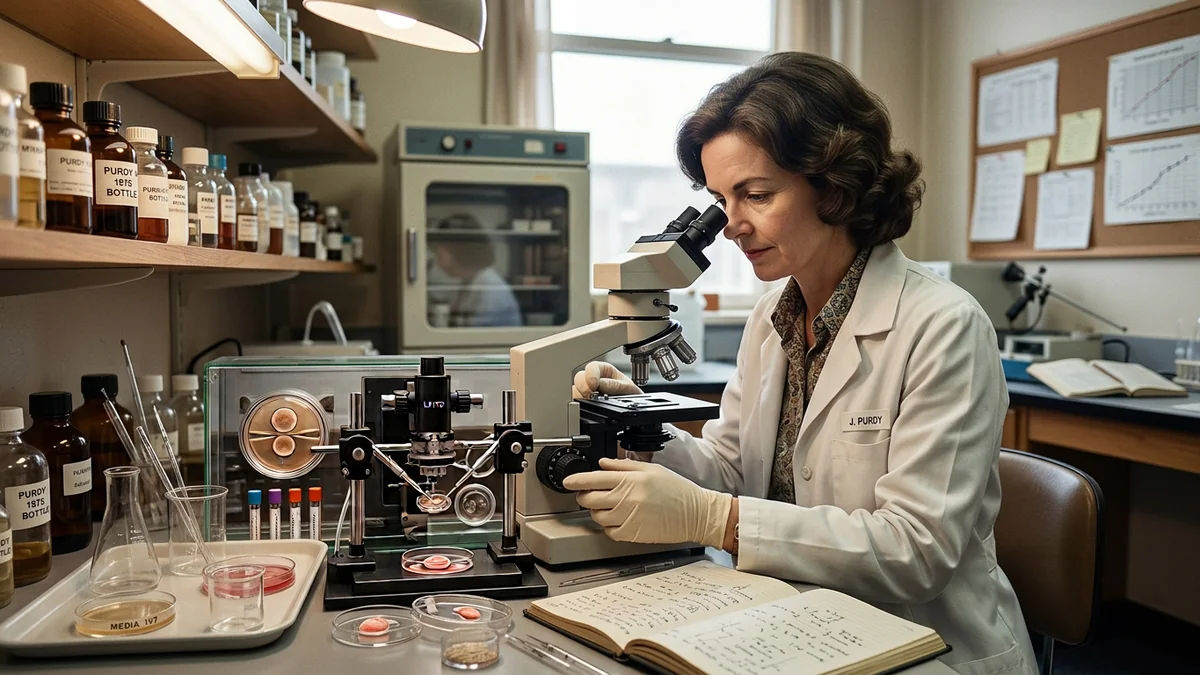
Historical Recognition:
Jean Purdy is receiving prominent historical spotlight for her foundational contributions to in vitro fertilization. Purdy was the first scientist to recognize and describe the formation of the early human blastocyst in laboratory culture. This critical milestone occurred five to six days after sperm fertilizes an egg during pre-implantation development.
Scientific Breakthrough:
Working alongside clinical pioneers, Purdy played an instrumental role in the research that led to the birth of the world's first successful IVF baby. Despite her crucial involvement in documenting cellular division milestones, her contributions remained under-recognized for decades within the broader scientific narrative. Recent historical reassessments aim to correctly attribute her vital laboratory achievements.
Modern Impact:
Highlighting Purdy's work brings overdue gender equity and historical accuracy to the scientific narrative of assisted reproductive technology. Modern fertility clinics and embryologists continue to build upon the foundational blastocyst classification methods she established. This acknowledgment inspires broader recognition of women scientists in medical history.
Pulse Intelligence
Context & ImpactContext & Background
- In vitro fertilization revolutionized reproductive medicine following successful clinical trials in the late 20th century.
- Early embryological research laid the groundwork for modern assisted reproductive technologies used globally today.
Key Consequences
- Increased academic and public acknowledgment of women scientists in medical history.
- Renewed focus on the historical development of embryology and assisted reproductive techniques.
Market & Economic Impact
No direct market impact.
The Indus Pulse is committed to accuracy and transparency.