
August 1, 2026 at 02:37 AM 2 min readindiadeveloping
Jaishankar Urges Iran To Stop Ship Attacks Amid Rising Seafarer Deaths
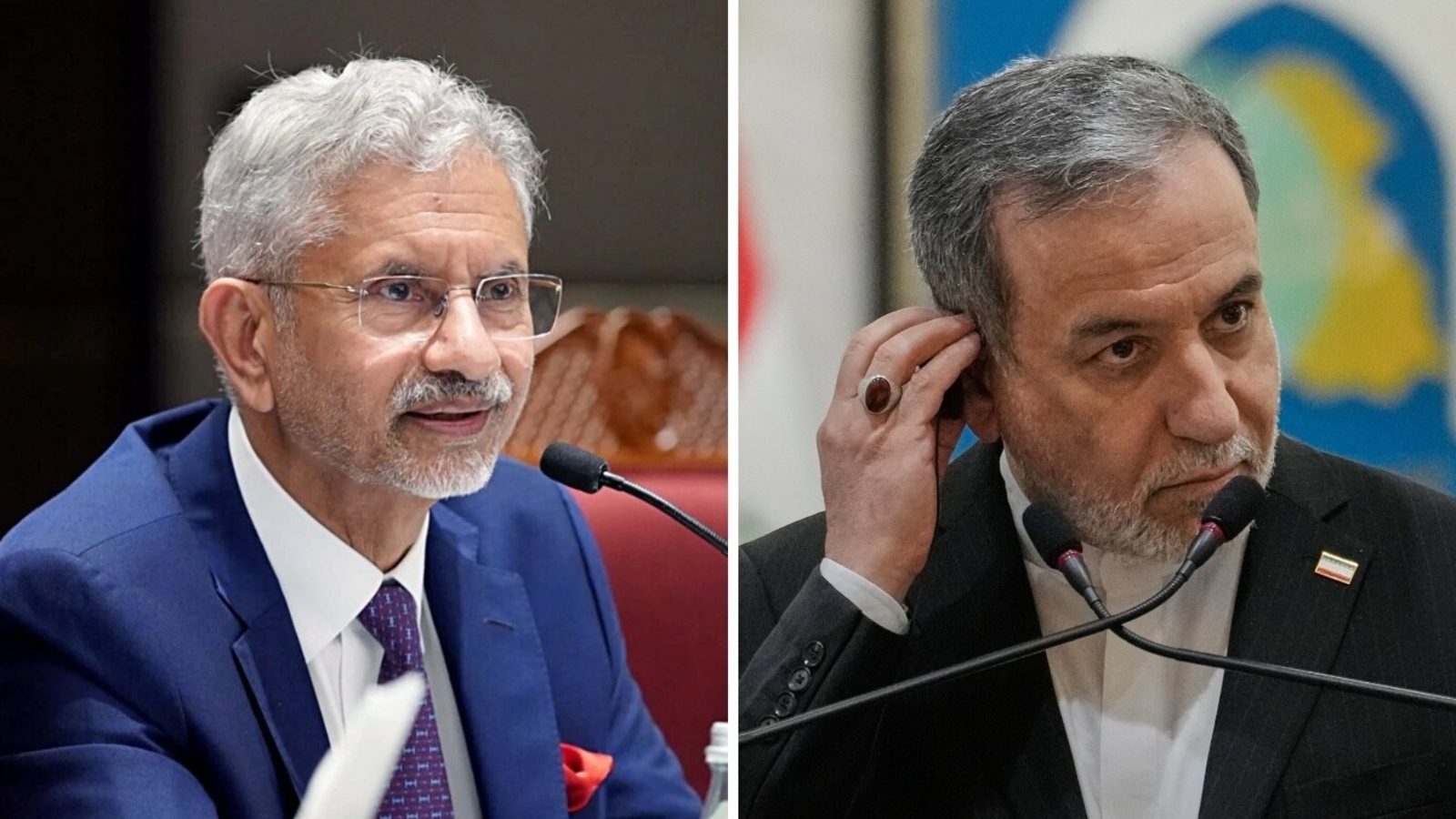
Diplomatic Intervention on Maritime Security:
External Affairs Minister S Jaishankar has formally requested his Iranian counterpart, Abbas Araghchi, to ensure an immediate cessation of attacks on commercial vessels in the Red Sea and surrounding maritime corridors. The intervention follows a series of violent incidents that have resulted in the tragic deaths of 10 Indian seafarers over the recent months. Minister Jaishankar emphasized that the safety of Indian nationals working as crew members on global merchant ships remains a primary national priority. New Delhi has expressed deep concern regarding the escalating volatility in the region and its direct consequences on the safety of international maritime trade lanes.
Escalating Regional Volatility:
The situation stems from the intensifying conflict in West Asia, which has increasingly targeted commercial shipping as a proxy battleground. Iran, often linked to groups operating in the region, has faced mounting international pressure to curtail activities that endanger civilian merchant vessels. The recurring strikes in critical nodes like the Strait of Hormuz and the Red Sea have severely hampered global supply chains. For India, these disruptions pose a dual challenge: the direct threat to the lives of thousands of Indian mariners and the increased costs of imports and exports due to disrupted shipping routes that are vital to India's energy and commodity security.
Strategic Implications for New Delhi:
India is now pursuing a multifaceted approach to address these security challenges, balancing its traditionally strong diplomatic ties with Tehran against the necessity of protecting its citizens and economic interests. Officials indicate that New Delhi will continue to leverage its strategic communication channels to demand accountability and safer passages for merchant vessels. The government is also coordinating with international naval task forces to enhance monitoring and protection in vulnerable waters. Analysts suggest that if attacks persist, India may be forced to recalibrate its maritime engagement strategies, potentially increasing the presence of the Indian Navy in the Arabian Sea to secure its own shipping corridors.
Pulse Intelligence
Context & ImpactContext & Background
- Multiple commercial vessels have reported drone and missile strikes in the Red Sea since late 2025.
- The Indian government has repeatedly called for de-escalation in West Asia to protect critical sea lines of communication.
- Indian seafarers represent a significant percentage of the global merchant navy workforce.
Key Consequences
- Increased Indian naval patrols in the Arabian Sea to safeguard merchant traffic.
- Potential supply chain delays for Indian manufacturers reliant on Suez Canal routes.
- Heightened diplomatic pressure on Iran to reign in regional proxies targeting civilian vessels.
Market & Economic Impact
Disruptions to maritime trade routes pose potential inflationary risks for Indian imports, particularly oil and raw materials, potentially impacting domestic logistics costs.
The Indus Pulse is committed to accuracy and transparency.