
July 22, 2026 at 11:00 PM 2 min readworldanalysis
Israel Maintains Neutral Stance Amid US-Iran War Escalation
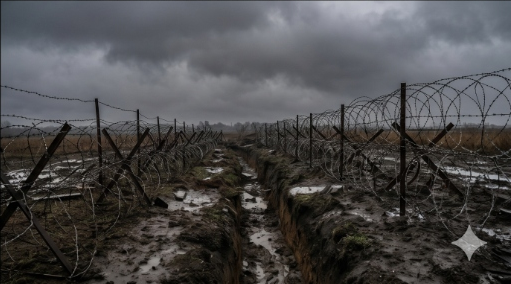
Israel's Strategic Neutrality:
The Israeli government has reiterated that it currently holds no interest in becoming a direct combatant in the ongoing military hostilities between the United States and Iran. Jerusalem is maintaining a carefully measured position, opting to sit out the latest US-led bombing campaigns directed at Iranian military assets. While the conflict rages across the Middle East, Israeli officials describe their current stance as intentional, prioritizing domestic security while preparing robust contingency plans should the regional security situation deteriorate further or threaten its borders.
Navigating Geopolitical Complexities:
Analysts suggest that Israel’s decision to remain on the sidelines is a calculated effort to preserve regional stability and avoid drawing fire from Iranian proxy networks. Despite intense pressure and the rapidly shifting dynamics of the US-Iran engagement, Netanyahu’s government is balancing public alignment with Washington while avoiding direct confrontation. Jerusalem remains vigilant, however, with intelligence services and military planners continuously updating defensive strategies to react if the conflict spills over into Israel’s immediate operational theater.
Regional Implications and Future Risk:
The broader regional impact of Israel’s non-participation remains a focal point for international observers. Should the conflict drag on, pressure on Jerusalem to intervene or provide specific intelligence could intensify. For India, the primary concern remains the potential for the conflict to destabilize energy prices and threaten diplomatic relations with both regional partners. The stability of the current stalemate is heavily dependent on the extent of the US-Iran exchange, and any sudden shift in Jerusalem’s policy could signal a fundamental change in the Middle East’s security architecture.
Pulse Intelligence
Context & ImpactContext & Background
- Israel has historically maintained a complex security relationship with both US forces and regional Iranian influence.
- Current regional tensions have reached a critical point following the breakdown of ceasefire talks between the United States and Iran.
Key Consequences
- Continued diplomatic strain as Israel monitors the escalating US-Iran conflict from a distance.
- Increased focus on Israel’s military readiness and defensive infrastructure in the event of regional spillover.
- Heightened sensitivity in international diplomatic circles regarding Israel's potential role in future ceasefire negotiations.
Market & Economic Impact
No direct market impact, but regional instability risks affecting long-term foreign investment in the Levant region.
The Indus Pulse is committed to accuracy and transparency.