
July 22, 2026 at 08:34 AM 2 min readindiadeveloping
Vijay's TVK Demands Complete NEET Abolition and Education Reform
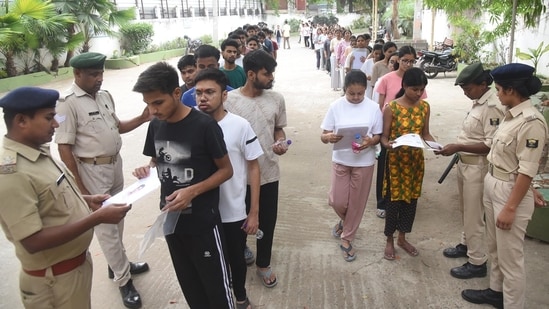
TVK's Formal Demand:
Actor-turned-politician Vijay and his party, the Tamilaga Vettri Kazhagam (TVK), have formally intensified their campaign against the National Eligibility-cum-Entrance Test (NEET) in India. The party explicitly demands the complete abolition of the medical entrance examination, citing concerns over systemic corruption and the emotional distress leading to student suicides. Vijay emphasizes that the exam creates an unfair playing field for students who cannot afford specialized coaching, thereby disenfranchising economically vulnerable sections of society.
Constitutional Reform Proposal:
The call for abolishing NEET is part of a broader proposal by the TVK to transfer 'Education' from the Concurrent List to the State List of the Indian Constitution. Party leadership argues that state governments are better positioned to design admission policies that reflect local educational standards and cultural contexts. This proposal stems from long-standing concerns in Tamil Nadu regarding the erosion of federalism and the autonomy of state institutions in managing professional medical education curricula.
Political and Social Implications:
The demand aligns with the growing nationwide discourse regarding the efficacy and fairness of centralized entrance examinations. As the TVK prepares for its electoral future, the party intends to bridge the gap between regional student frustrations and national legislative policy. Observers anticipate that this stance will pressure other major political entities to clarify their positions on NEET ahead of upcoming electoral cycles. The central government currently maintains the exam to ensure standardized medical training, leaving the future of the policy at the heart of ongoing political contestation.
Pulse Intelligence
Context & ImpactContext & Background
- Tamil Nadu has consistently opposed NEET, with the state assembly passing multiple resolutions requesting exemptions for local medical colleges.
- The Supreme Court of India and various central agencies have faced ongoing petitions questioning the integrity and fairness of the national testing process.
- Recent years have seen rising instances of student protests across major urban centers, sparked by reports of question paper leaks and alleged administrative irregularities.
Key Consequences
- Increased pressure on the Union Government to reconsider the centralized structure of professional medical entrance examinations.
- Potential shifts in alliance strategies for regional parties in Tamil Nadu as the NEET issue becomes a central poll platform.
- Renewed legislative debates regarding the balance of power between Centre and States concerning education policy.
Market & Economic Impact
No direct market impact.
The Indus Pulse is committed to accuracy and transparency.