
18 Aug 2026, 07:06 PM 2 min readworldbreaking
Iran Maintains Strait Of Hormuz Closure Amid Diplomatic Standoff
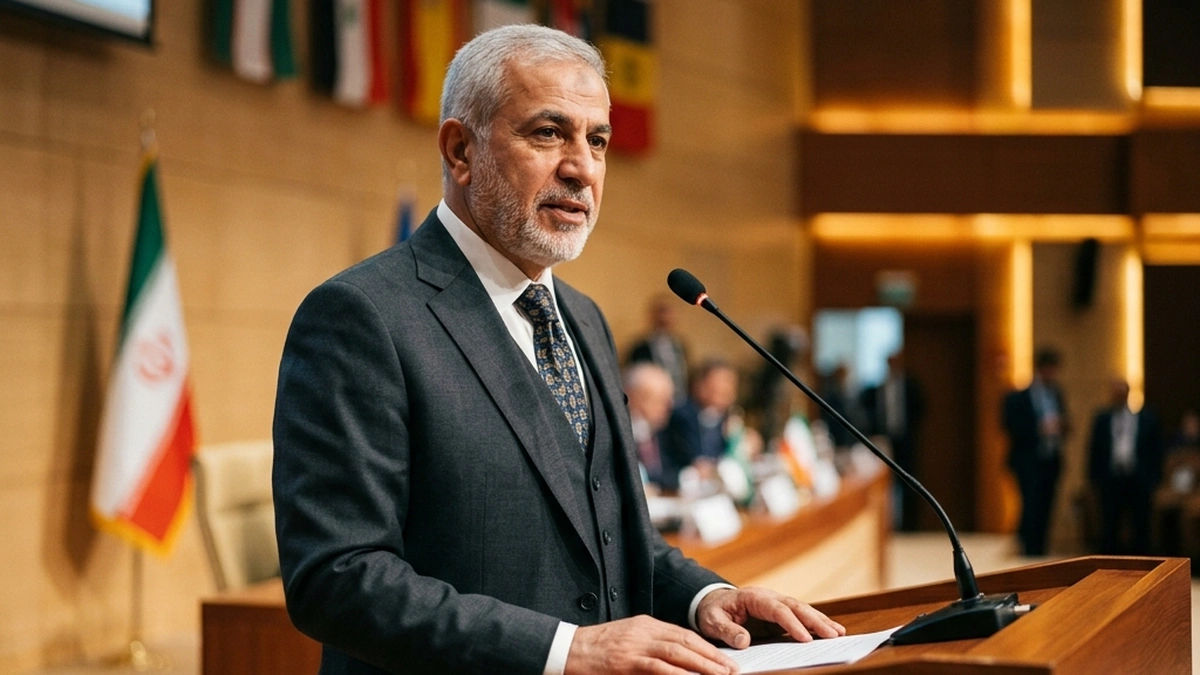
Diplomatic Standoff Escalation:
Iran's lead negotiator, Ghalibaf, has officially declared that the critical Strait of Hormuz will remain closed to international maritime traffic. This hardline stance persists until the United States adheres to specific conditions outlined in a previously proposed interim diplomatic agreement. The closure has halted critical commercial shipping lanes, raising immediate concerns over global energy supply chains that rely on this narrow waterway for a significant portion of daily oil transit. Tension has reached a critical juncture, with Iranian officials warning that the blockade will serve as a leverage point until Washington signals full compliance with their regional security demands.
Historical Context of Tensions:
The decision follows months of deteriorating relations and the failure of back-channel ceasefire negotiations between Tehran and Washington. Historically, the Strait of Hormuz has functioned as a strategic pressure point, with Iran frequently threatening to restrict access in response to Western sanctions and military presence in the Persian Gulf. Recent months saw an incremental rise in naval posturing and skirmishes near the coastal waters, creating a volatile environment where small-scale incidents have now spiraled into a formal maritime blockade. The stalemate reflects deeper systemic grievances regarding nuclear compliance and regional proxy conflicts that have remained unresolved despite several rounds of international mediation efforts.
Implications for Global Markets:
The immediate consequence is a sharp spike in crude oil prices, impacting energy markets across Asia, including India. As India imports a substantial volume of its petroleum requirements through this route, any sustained closure threatens to escalate domestic inflationary pressures and disrupt supply chain logistics. Market participants and analysts now fear that a prolonged blockade could force a military confrontation if the United States moves to challenge the restriction through naval intervention. Observers must watch for the next round of formal communications from Washington and whether secondary nations in the region opt to mediate a temporary corridor for essential trade vessels.
Pulse Intelligence
Context & ImpactContext & Background
- The Strait of Hormuz acts as the world's most important oil chokepoint, with over 20% of global petroleum consumption passing through its waters daily.
- Diplomatic talks regarding an interim nuclear and security deal between the US and Iran have faced significant setbacks throughout the current calendar year.
Key Consequences
- Global crude oil prices are expected to remain volatile, significantly impacting India's import bill and retail fuel pricing strategies.
- Naval presence in the Persian Gulf will likely increase, raising the probability of accidental engagement or miscalculation between major power forces.
- Major shipping conglomerates may pivot to longer, more expensive routes to avoid the risk of asset seizure or total vessel blockage.
Market & Economic Impact
Energy markets anticipate a sustained upward trend in crude prices, which poses a direct risk to India's domestic oil procurement costs and fiscal health.
The Indus Pulse is committed to accuracy and transparency.