
August 8, 2026 at 05:20 AM 2 min readworldanalysis
Pezeshkian Denies Proxy Claims As Iran Regional Tensions Rise
Iranian Leadership Rhetoric:
Iranian President Pezeshkian has publicly criticized the United States and Israel, accusing them of attempting to destabilize the Gulf region by turning nations against Tehran. In recent remarks, the President dismissed claims that Iran relies on proxy forces to advance its regional agenda, insisting that his government seeks dialogue despite ongoing conflicts. This rhetoric follows a period of heightened geopolitical strain, with Iran navigating multiple security challenges and external pressures aimed at isolating the state.
Domestic and Regional Stability:
The administration has faced significant scrutiny following reports of unrest and external military pressure, which have complicated Tehran's foreign policy. While the government maintains that the population remained largely unaffected by recent security incidents, the President has emphasized the need for national unity to prevent Iran from suffering a fate similar to other conflict-ridden states in the region. He has specifically sought to align domestic sentiment against external meddling, framing recent events as failed attempts by foreign powers to topple the current establishment.
Future Security Outlook:
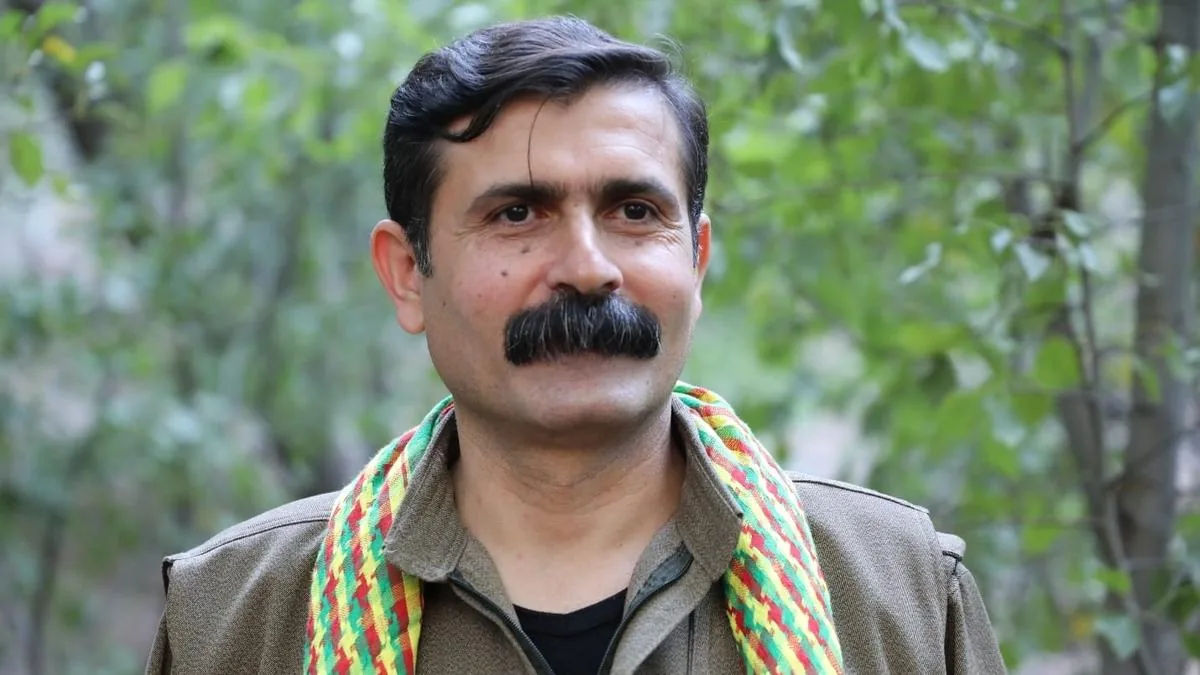
Analysts remain focused on how Tehran will manage its international obligations and domestic security, especially regarding groups like the PJAK. The Kurdish party has explicitly stated in recent interviews that it would only engage in military confrontation if the existence of the Kurdish people is threatened, underscoring the complexity of Iran's internal security landscape. As tensions in the Middle East persist, the international community continues to monitor Iran's military posturing and its willingness to participate in potential diplomatic negotiations to ease regional volatility.
Pulse Intelligence
Context & ImpactContext & Background
- The Iranian government has faced persistent security challenges and diplomatic isolation from the United States and Israel.
- The PJAK Kurdish party has maintained a stance of defensive engagement regarding its potential involvement in larger regional conflicts.
Key Consequences
- Continued uncertainty regarding Iran's involvement in regional proxy conflicts as rhetoric from Tehran shifts toward potential dialogue.
- Heightened security monitoring of Iran's domestic situation and its relations with non-state actors like the PJAK.
Market & Economic Impact
Oil markets remain sensitive to any escalation in Iranian rhetoric or regional security instability.
The Indus Pulse is committed to accuracy and transparency.