
August 17, 2026 at 09:08 AM 2 min readworlddeveloping
Iran Parliament Advances Bill Restricting Foreign Media and Influence
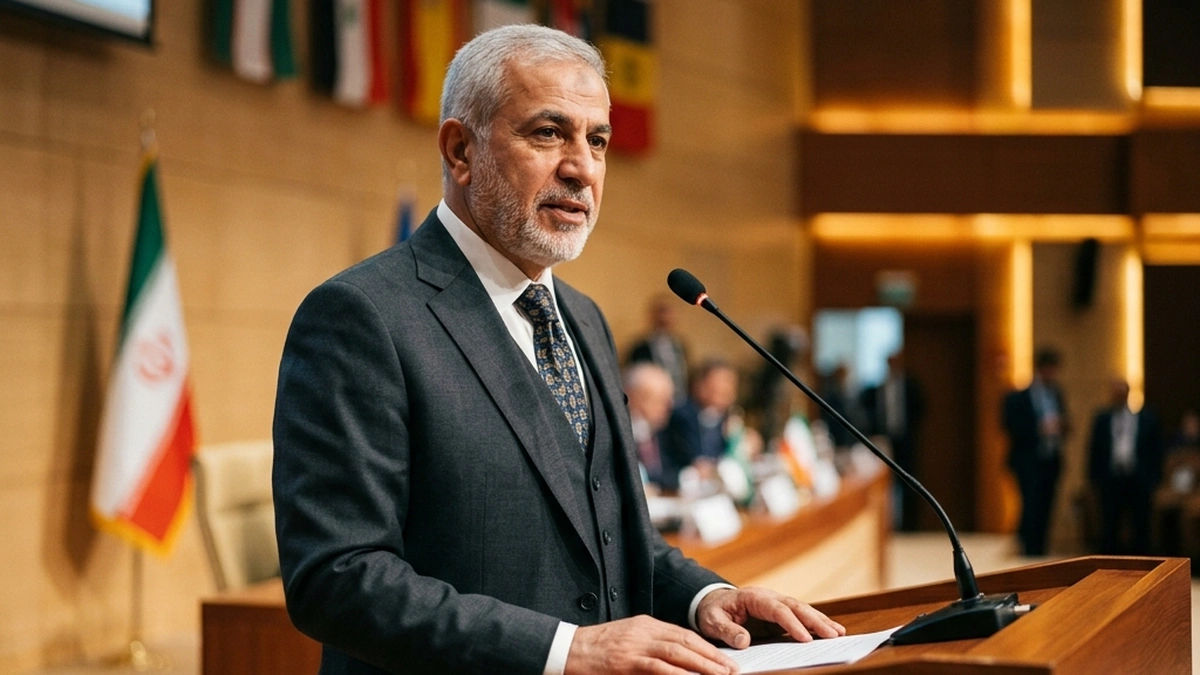
Legislative Push:
The Iranian parliament has advanced a contentious new legislative bill aimed at criminalising interviews and professional engagement with foreign media outlets deemed hostile. Lawmakers voted overwhelmingly to prioritize the measure, which seeks to tighten state control over information flows, curb foreign influence, and penalise citizens who communicate with international journalists operating outside state approval. The proposed legislation also seeks to tighten oversight on external entities whose activities impact national stability.
Political Rationale:
This legislative advancement follows months of heightened domestic friction and intensified government crackdowns on independent reporting within the country. Political tensions in the Middle East have pushed Iranian officials to advocate for stronger internal controls. By drafting this bill, the government intends to formalize existing restrictions into clear legal frameworks that restrict foreign funding, non-governmental partnerships, and cross-border political engagement.
Implications and Significance:
Human rights advocates and international press freedom groups warn that the bill will further isolate local voices and suppress independent journalism inside the nation. International organizations operating within Iran may face stricter reporting requirements or operational constraints. While the government asserts the policy protects national integrity, critics remain concerned about the impact on regional diplomacy and cross-border cooperation.
Pulse Intelligence
Context & ImpactContext & Background
- Iranian authorities have steadily increased pressure on local journalists and dissidents over recent years to suppress independent reporting.
- State institutions frequently accuse foreign media organizations of orchestrating external interference and spreading disinformation inside the country.
- Iran has experienced prolonged geopolitical friction with several Western and regional powers over its internal and external policy decisions.
Key Consequences
- Citizens and domestic journalists face severe criminal penalties and lengthy prison sentences for communicating with foreign press outlets.
- International news organizations will likely encounter greater difficulties in sourcing verified ground-level information from local contacts inside Iran.
- The bill could trigger stricter operational guidelines for foreign NGOs and international partners currently working in Iran.
Market & Economic Impact
This policy development could impact regional trade stability and energy partnerships relevant to international markets.
The Indus Pulse is committed to accuracy and transparency.