
August 2, 2026 at 09:35 AM 2 min readworlddeveloping
Iran Overlapping Power Centers Complicate Ongoing Conflict With US
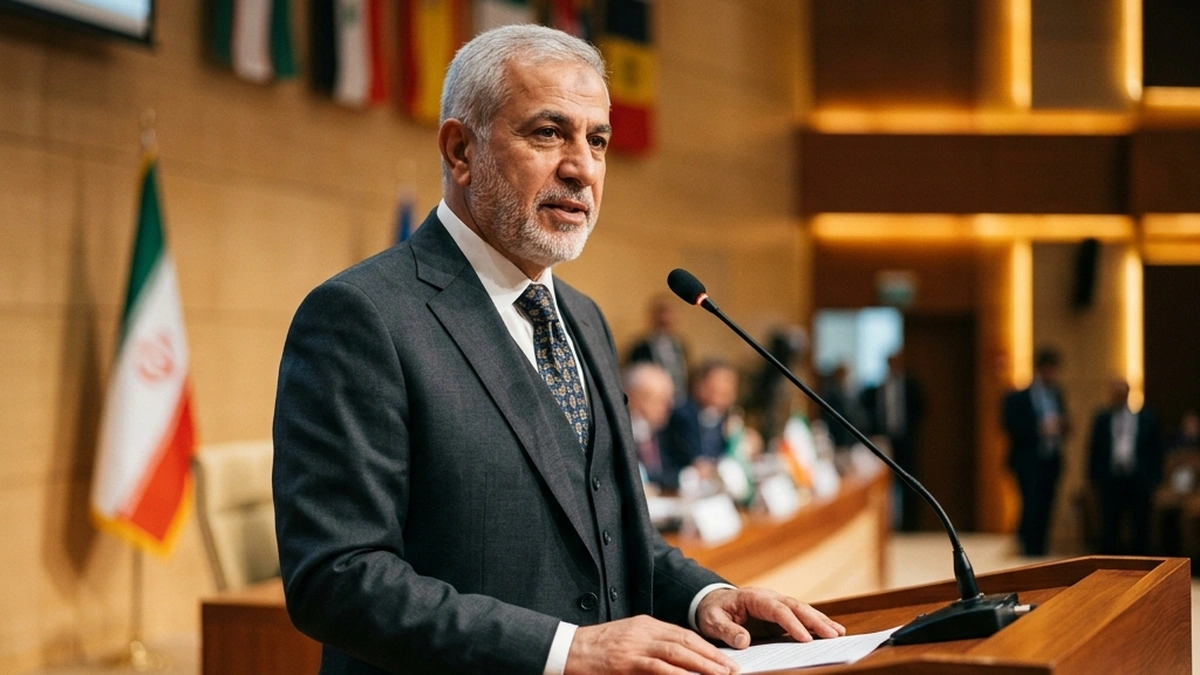
Iran Power Centers:
Iran possesses a complex web of overlapping power centers that significantly complicates diplomatic resolutions and efforts to end the ongoing military conflict with the United States. Analysts point out that this fragmented internal governance structure disperses authority across multiple competing state and military institutions.
Strategic Regional Actions:
Tehran continues to set a challenging pace in the confrontation through its robust network of allied regional militias and strategic pressure points such as the Strait of Hormuz. These proxy forces operate across multiple fronts from Yemen to the Levant, increasing operational risks and straining international security frameworks.
Strategic Implications:
International allies express growing concern that Washington risks a strategic defeat if diplomatic channels fail to account for Tehran's internal divisions and asymmetric capabilities. Observers emphasize that navigating these intricate domestic structures remains essential for any viable de-escalation pathway in the region.
Pulse Intelligence
Context & ImpactContext & Background
- Iran maintains a complex network of regional proxy militias distributed across the Middle East.
- The Strait of Hormuz remains a critical chokepoint for international oil shipments and regional security.
Key Consequences
- Ongoing military friction threatens continued disruption to global maritime trade routes.
- Diplomatic efforts face heightened obstacles due to fragmented decision-making structures inside Tehran.
Market & Economic Impact
Oil prices face upward volatility due to potential security risks surrounding maritime transit in the Strait of Hormuz.
The Indus Pulse is committed to accuracy and transparency.