
August 6, 2026 at 07:57 PM 2 min readworlddeveloping
Iran Proposes Barring US Ships From Hormuz in New Oman Deal
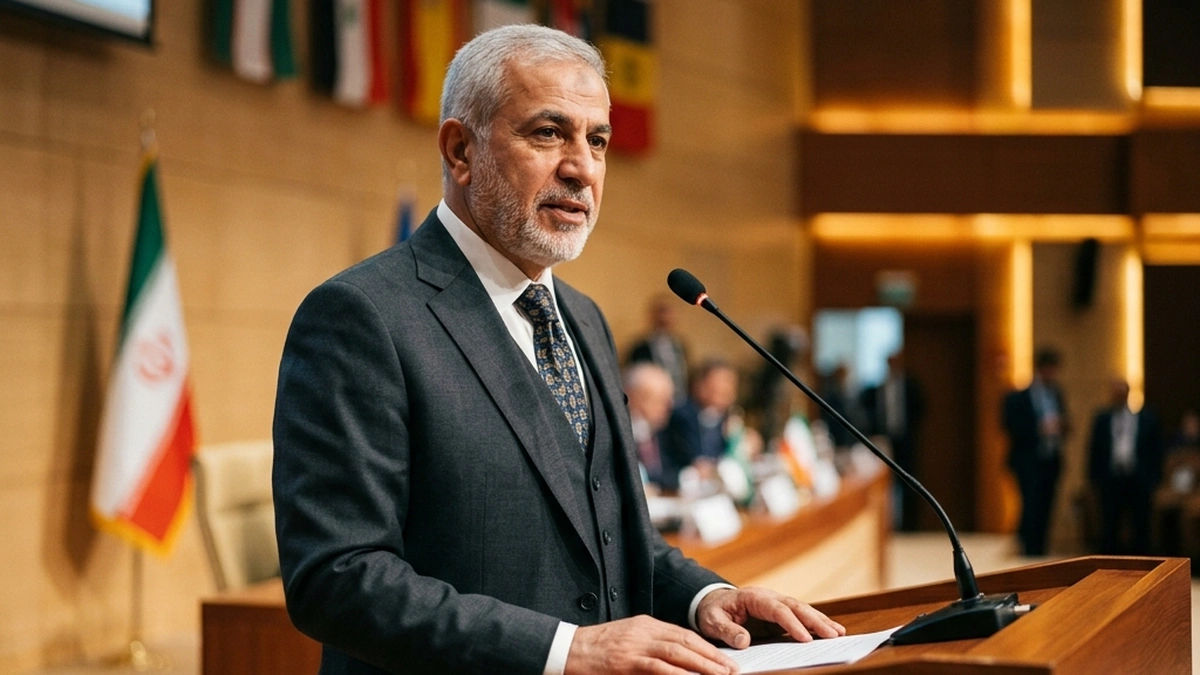
Maritime Restriction Proposal:
Iran is seeking a new agreement with Oman to co-manage the Strait of Hormuz, with the explicit goal of barring United States and Israeli ships. According to reports from August 6, 2026, the deal would require "hostile countries" to pay compensation before being allowed passage through the waterway. This development represents a significant escalation in Tehran's efforts to exert total control over the world's most critical energy chokepoint. The proposal aims to formalize Iranian authority over international shipping lanes entering the Persian Gulf.
Diplomatic Shift with Oman:
Historically, Oman has served as a neutral mediator between Iran and Western powers, but this deal suggests a move toward closer strategic alignment with Tehran. By proposing joint management of the strait, Iran seeks to leverage Oman's geographical position to create a unified regional front against Western naval presence. This move directly challenges the long-standing security umbrella provided by the US Fifth Fleet in the region. Analysts suggest that the agreement could fundamentally alter the rules of engagement for international navies operating in Middle Eastern waters.
India Energy Security Concerns:
For India, any disruption or restriction in the Strait of Hormuz is a matter of critical national concern. India imports more than 60% of its crude oil and large quantities of liquefied natural gas through this narrow passage. Tensions in the strait often lead to immediate spikes in global oil prices and increased insurance premiums for Indian merchant vessels. New Delhi will likely engage in urgent diplomatic consultations to ensure that Indian-flagged ships maintain unhindered access to this vital trade route. Any prolonged maritime instability could significantly impact India's domestic inflation and fiscal deficit.
Pulse Intelligence
Context & ImpactContext & Background
- The Strait of Hormuz is a narrow waterway where approximately 20% of the world's total petroleum liquids pass through daily.
- Iran has frequently threatened to close the strait during periods of high tension with the US over nuclear negotiations.
Key Consequences
- International shipping costs could rise as insurance companies re-evaluate the risk of navigating the Persian Gulf.
- The US may increase its naval presence in the Arabian Sea to protect commercial freedom of navigation.
Market & Economic Impact
Potential increase in global crude oil prices, which could lead to a rise in domestic petrol and diesel costs in India.
The Indus Pulse is committed to accuracy and transparency.