
August 5, 2026 at 06:20 PM 2 min readworlddeveloping
Iran and Oman Agree on Hormuz Shipping Route Coordinates
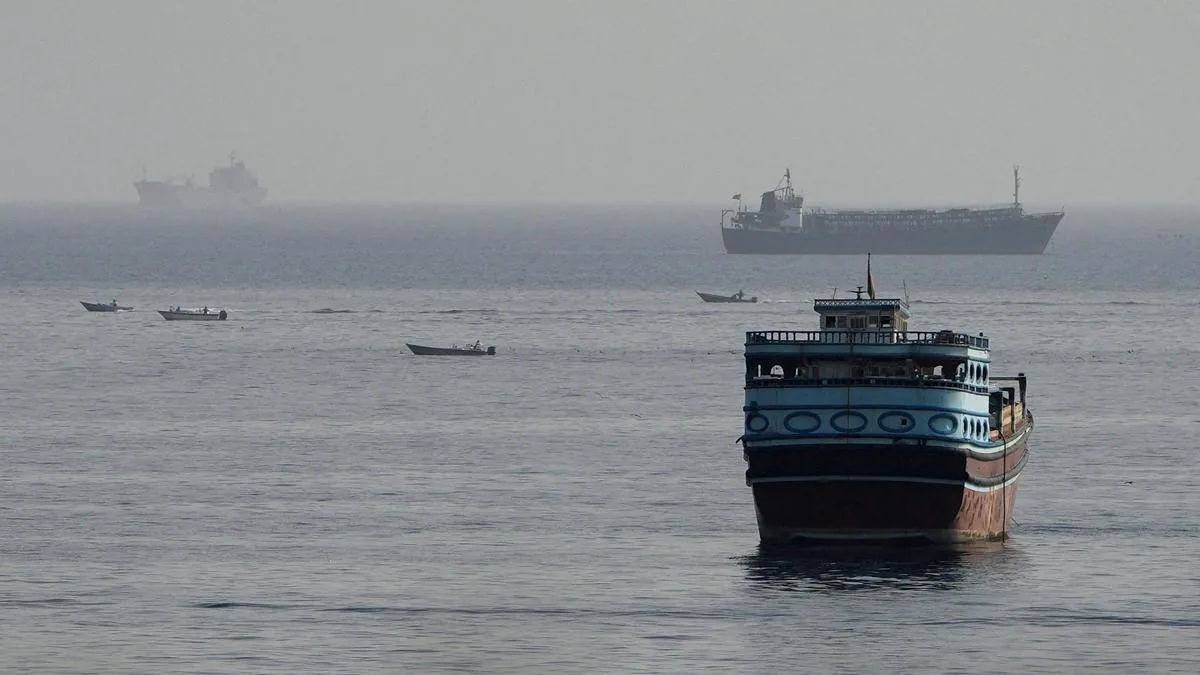
Hormuz Route Agreement:
Iran and Oman have reached a formal understanding on the navigational coordinates for shipping routes through the Strait of Hormuz. The announcement by the Iranian Foreign Ministry arrives amid heightened security concerns across the West Asian maritime theater. This agreement establishes specific transit pathways designed to improve coordination within one of the most critical maritime chokepoints in the global economy. While the technical mapping is complete, the operational activation of these lanes awaits broader regional security alignment.
Regional Maritime Diplomacy:
The diplomatic progress stems from sustained bilateral cooperation between Tehran and Muscat to manage the strategic waterway. This channel facilitates the movement of roughly 20% of the world's total petroleum supply, making it an essential artery for international trade. Despite the agreement, Iranian officials clarified that the final authorization for commercial traffic reopening is tied to ongoing indirect discussions with the United States. Tehran seeks tangible security guarantees and potential sanctions relief as prerequisites for normalizing activity in these specific shipping sectors.
Impact on India:
India maintains a vital interest in the stability of this corridor due to its heavy reliance on Persian Gulf oil and gas imports. Any formalization of shipping lanes helps lower risk assessments and insurance premiums for Indian cargo vessels traversing the region. New Delhi continues to monitor these diplomatic developments to ensure the protection of its long-term energy security objectives. The ultimate functionality of the route hinges on the reconciliation of maritime security protocols between Washington and Tehran.
Pulse Intelligence
Context & ImpactContext & Background
- The Strait of Hormuz serves as a vital global chokepoint through which approximately one-fifth of the world's petroleum passes daily.
- Regional hostilities have escalated throughout the broader West Asia conflict, significantly increasing security risks for international commercial shipping.
Key Consequences
- Standardized shipping coordinates may mitigate the risk of accidental maritime confrontations between regional naval forces and commercial tankers.
- The progress of this deal serves as a barometer for the efficacy of indirect diplomatic channels currently operating between Iran and the United States.
Market & Economic Impact
Stabilization of the Strait of Hormuz could lower global crude oil prices and reduce freight insurance costs for Indian state-run refiners.
The Indus Pulse is committed to accuracy and transparency.