
August 11, 2026 at 02:34 AM 2 min readworlddeveloping
Iran Implements Major Military Command Overhaul
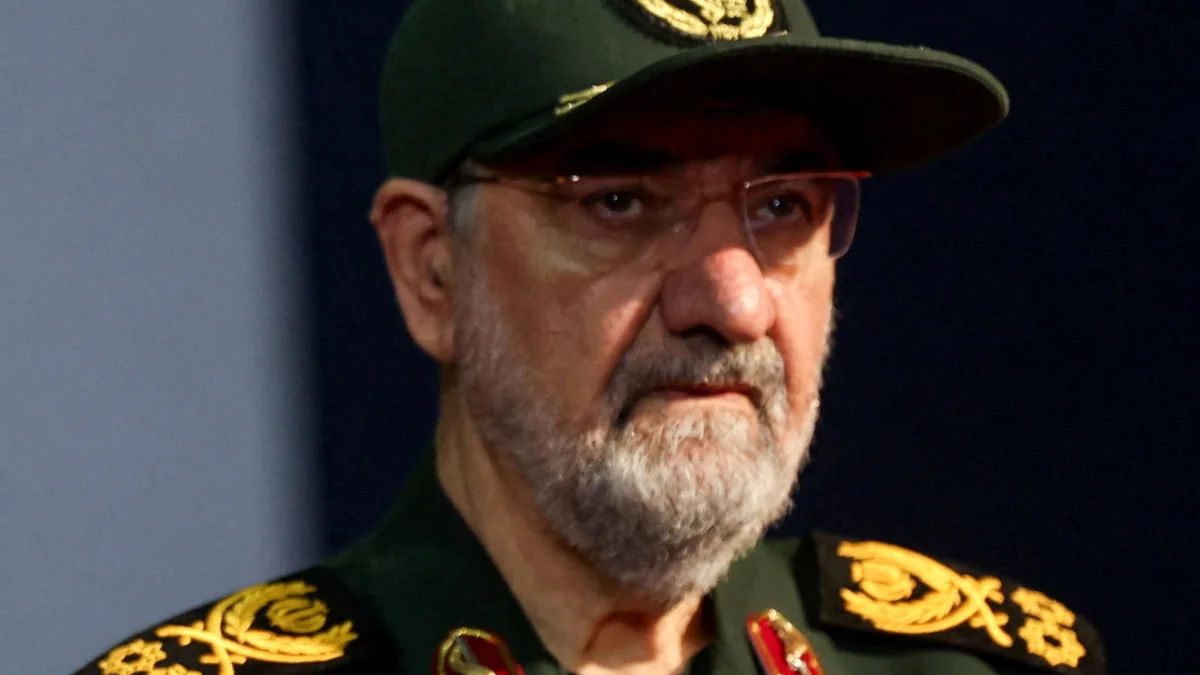
Iran Military Leadership Reshuffle:
Iran’s Supreme Leader, Sayyed Mojtaba Khamenei, executed a significant military reorganization on Monday, August 10, 2026, appointing six senior commanders to critical roles. The reshuffle affects the Armed Forces, the Islamic Revolution Guard Corps (IRGC), the IRGC Navy, and the Basij Resistance Force. Key appointments include Major General Ali Abdollahi as Chief of Staff of the Armed Forces and Brigadier General Ahmad Vahidi, who has been promoted to Major General and named Commander-in-Chief of the IRGC. This overhaul follows a national security restructuring that installed Major General Mohsen Rezaei as the secretary of the Supreme National Security Council, replacing Mohammad Bagher Zolghadr.
Rationale and Strategic Context:
The reorganization serves to consolidate and strengthen Iran’s military command structure following a series of high-profile losses of senior officers earlier this year. Tehran blames these losses on covert operations by U.S. and Israeli forces, necessitating a more cohesive and centralized defense apparatus. By appointing loyalist veterans to top positions—including Cleric Hossein Taeb as head of the Basij Organization—the leadership aims to ensure operational stability and ideological alignment across all security branches amidst regional tensions.
Regional Significance and Outlook:
The military consolidation reflects Tehran's strategy to bolster internal and external security capabilities. For India, these developments in Iran are critical due to India's involvement in the Chabahar Port project and broader regional trade interests. A more centralized and hardened Iranian military command may signal a shift in regional power dynamics that could complicate or stabilize maritime security in the Persian Gulf. Observers will closely monitor whether these leadership changes lead to shifts in Iran’s foreign policy or its defensive postures against perceived threats, as the region remains sensitive to any fluctuations in Iranian military doctrine.
Pulse Intelligence
Context & ImpactContext & Background
- Iran has experienced a series of strategic losses of senior military personnel throughout 2026 due to targeted regional strikes.
- The Supreme National Security Council recently underwent its own leadership change, signaling a broader effort to tighten the state's security apparatus.
Key Consequences
- The consolidation of military command could lead to more synchronized defensive actions along Iran’s maritime and territorial borders.
- Internal security might see increased oversight as the new Basij leadership takes control of mobilization and domestic monitoring.
- Neighboring nations may adjust their own security postures in response to the newly unified command structure in Tehran.
Market & Economic Impact
Potential volatility in global oil markets may follow due to heightened geopolitical sensitivity surrounding Iran's military shift.
The Indus Pulse is committed to accuracy and transparency.