
August 15, 2026 at 04:24 AM 2 min readworlddeveloping
Iran Maintains Control of Strait of Hormuz Amid Escalating U.S. Sanctions
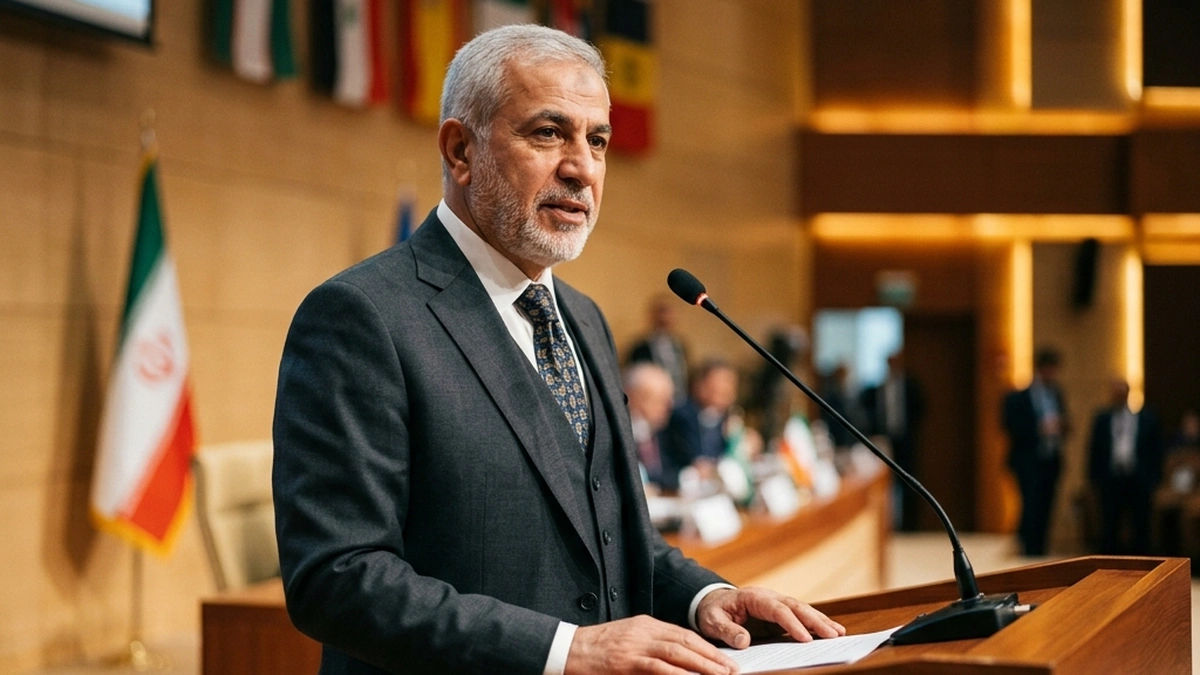
Strait Standoff:
Tensions in West Asia intensified in August 2026 as Iranian officials maintained strict control over the strategic Strait of Hormuz. Tehran dismissed claims by U.S. President Donald Trump that Washington commands the vital waterway, confirming the enforcement of transit restrictions and commercial vessel fees. Deputy Foreign Minister Kazem Gharibabadi stated that the critical energy corridor will remain under Iranian command until Western adversaries acknowledge strategic defeat.
Economic Fallout:
The ongoing regional conflict continues to disrupt global energy shipments and drive up international fuel costs. U.S. gasoline prices averaged $4.08 per gallon, marking a 29 percent increase over the previous year and stoking domestic inflation. In response, U.S. Treasury Secretary Scott Bessent announced plans to unveil unprecedented economic sanctions combined with a robust naval blockade of Iranian ports aimed at curbing regional military activities and halting petroleum exports.
Global Impact:
President Donald Trump urged American voters to accept higher energy costs as a necessary sacrifice to prevent Tehran from acquiring nuclear capabilities, while Vice President JD Vance emphasized lowering consumer prices as a priority. Despite prior diplomatic initiatives, including a Pakistan-mediated ceasefire and a June 2026 memorandum of understanding, a durable settlement remains unachieved. Global energy markets and shipping futures face heightened volatility amid ongoing maritime supply route disruptions.
Pulse Intelligence
Context & ImpactContext & Background
- Military hostilities involving the United States, Israel, and Iran broke out in February 2026 over nuclear program disputes.
- The Strait of Hormuz serves as a vital global transit route for petroleum shipments and international trade.
- A previous June 2026 memorandum of understanding failed to establish permanent commercial transit security in the region.
Key Consequences
- Global energy markets and crude oil futures face continued price volatility due to ongoing maritime transit restrictions.
- Upcoming U.S. economic measures and naval blockades against Iran are expected to further strain diplomatic and financial relations.
- Lawmakers will likely leverage rising fuel inflation as a key issue in upcoming political campaigns.
Market & Economic Impact
Rising geopolitical tensions in West Asia and restrictions in the Strait of Hormuz continue to drive volatility in global crude oil prices and shipping stocks.
The Indus Pulse is committed to accuracy and transparency.