
August 5, 2026 at 05:25 PM 2 min readworldbreaking
Iran and Oman Agree on Hormuz Route Coordinates
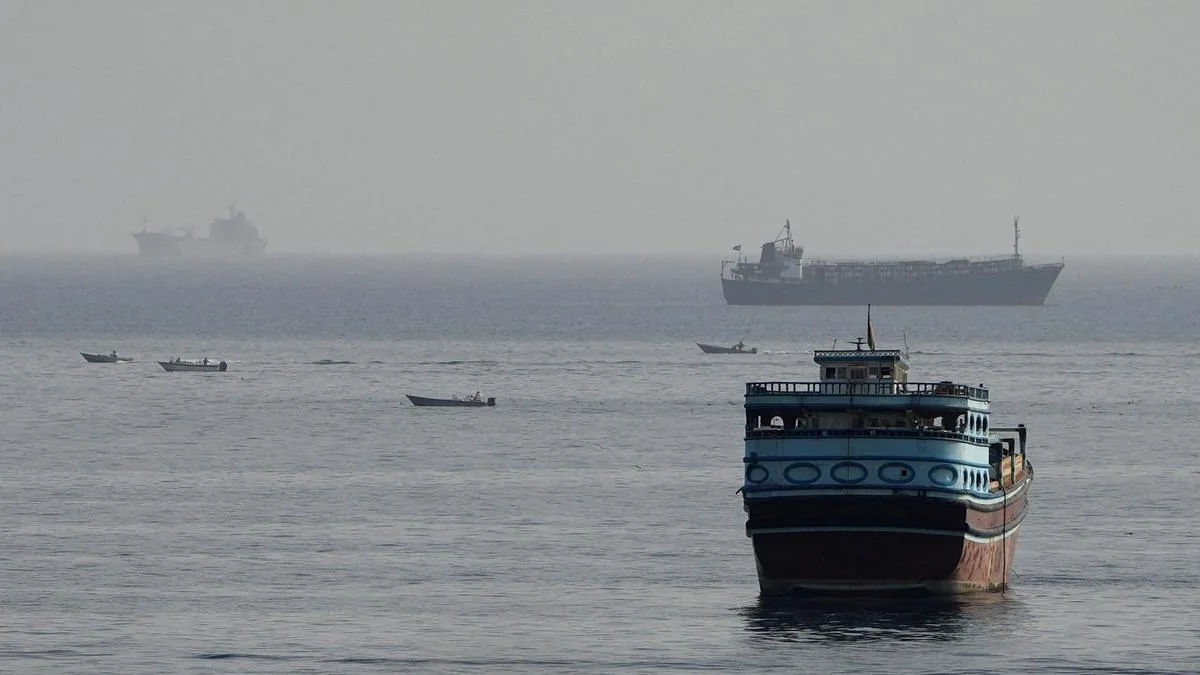
Hormuz Route Agreement:
Iran and Oman have reached a formal understanding regarding the specific coordinates for a secure maritime route through the strategic Strait of Hormuz. Iran's Foreign Ministry confirmed the diplomatic breakthrough amidst ongoing high-stakes regional discussions.
Diplomatic Engagement:
The agreement follows intense diplomatic friction and negotiations involving international players, including the United States, where the U.S. Treasury Secretary noted potential windows for broader diplomatic deals in the region. Tensions in West Asia have kept global energy markets and international shipping lanes on high alert.
Market Implications for India:
India relies heavily on crude oil imports routed through the Strait of Hormuz, making secure transit corridors vital for domestic energy security. Stability in this vital waterway prevents supply shocks and helps stabilize fuel import costs for South Asian economies.
Pulse Intelligence
Context & ImpactContext & Background
- Geopolitical tensions around the Strait of Hormuz have intensified due to ongoing military actions and trade disputes in West Asia.
- International diplomats have pressed for secure commercial corridors to prevent disruptions to global crude oil supplies.
Key Consequences
- Commercial shipping companies gain clearer navigational parameters for traversing the strategic waterway.
- Energy markets react to reduced geopolitical friction along critical Middle Eastern trade routes.
Market & Economic Impact
Stabilization of transit routes through the Strait of Hormuz helps moderate oil supply risks for emerging economies like India.
The Indus Pulse is committed to accuracy and transparency.