
August 13, 2026 at 09:06 AM 2 min readtechdeveloping
Intel CEO Hints at Strategic Return to Memory Business
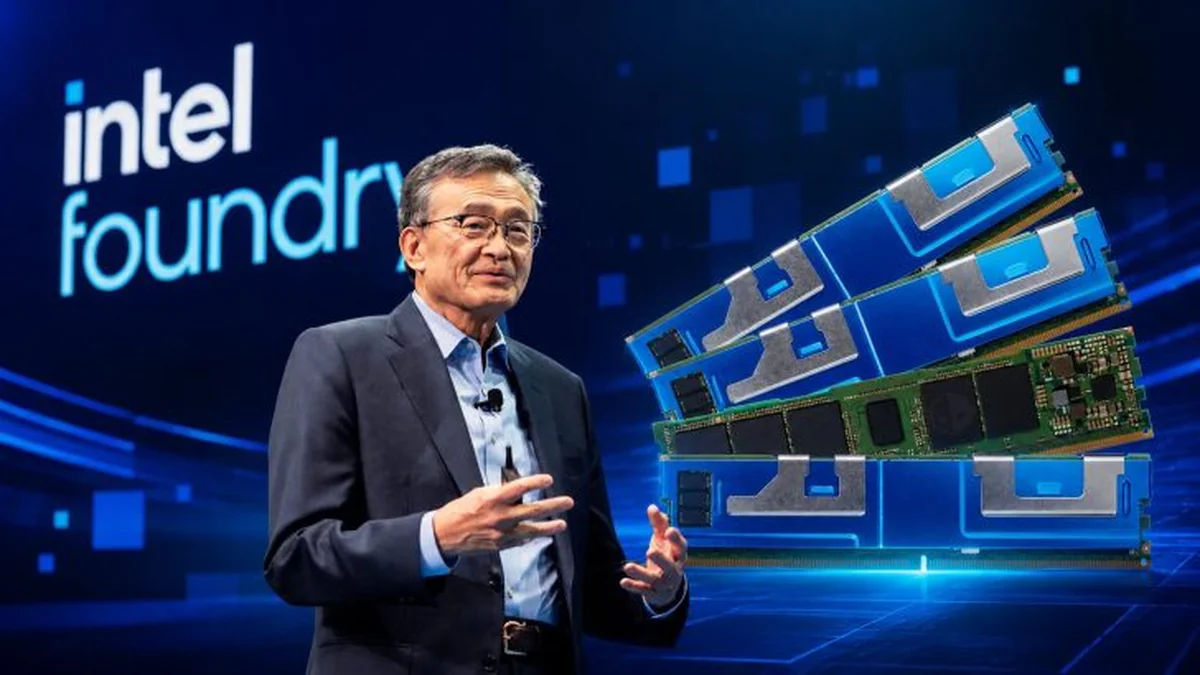
Intel's Strategic Pivot:
Intel CEO Lip-Bu Tan has formally signaled the company’s potential return to the memory market, identifying it as a critical innovation frontier. By moving beyond viewing memory as a simple commodity, Intel aims to integrate new memory architectures directly with its processing units. This shift reflects the company’s intent to overcome the so-called DRAM wall that currently limits performance in high-demand computing environments.
Advanced Foundational Technology:
The company is currently exploring 3D stacking technologies and new memory architectures, exemplified by ongoing projects like XBM and ZAM. To accelerate these efforts, Intel has recruited former SK Hynix CEO Seok-Hee Lee to lead its foundry and advanced packaging division. This leadership move is intended to enhance Intel's competitive edge in the semiconductor landscape, particularly as it seeks to address anticipated future memory shortages.
Foundry Services Integration:
These developments are set to bolster Intel Foundry Services, aiming to position the organization as a comprehensive leader in advanced packaging and memory technologies. The focus remains on optimizing the synergy between processors and memory, which is increasingly vital for the growing artificial intelligence sector. By refining its internal development capabilities, Intel hopes to reduce its reliance on third-party memory suppliers while delivering higher-performance solutions to global enterprise clients.
Pulse Intelligence
Context & ImpactContext & Background
- Intel previously exited the memory market years ago, focusing instead on logic and processing hardware.
- The current rise in AI workloads has created intense demand for high-bandwidth, integrated memory solutions.
Key Consequences
- Intel may reclaim a significant share of the memory market if it successfully integrates proprietary architecture into its CPUs.
- Foundry partners could gain access to superior, highly integrated memory and processing packaging services.
- Increased competition in the memory space may pressure current market leaders like SK Hynix and Samsung.
Market & Economic Impact
Intel's push into memory could fundamentally alter the competitive landscape for major DRAM suppliers.
The Indus Pulse is committed to accuracy and transparency.