
August 11, 2026 at 09:07 AM 2 min readtechanalysis
Intel Foundry Reports $2.1 Billion Loss Despite 31% Revenue Surge
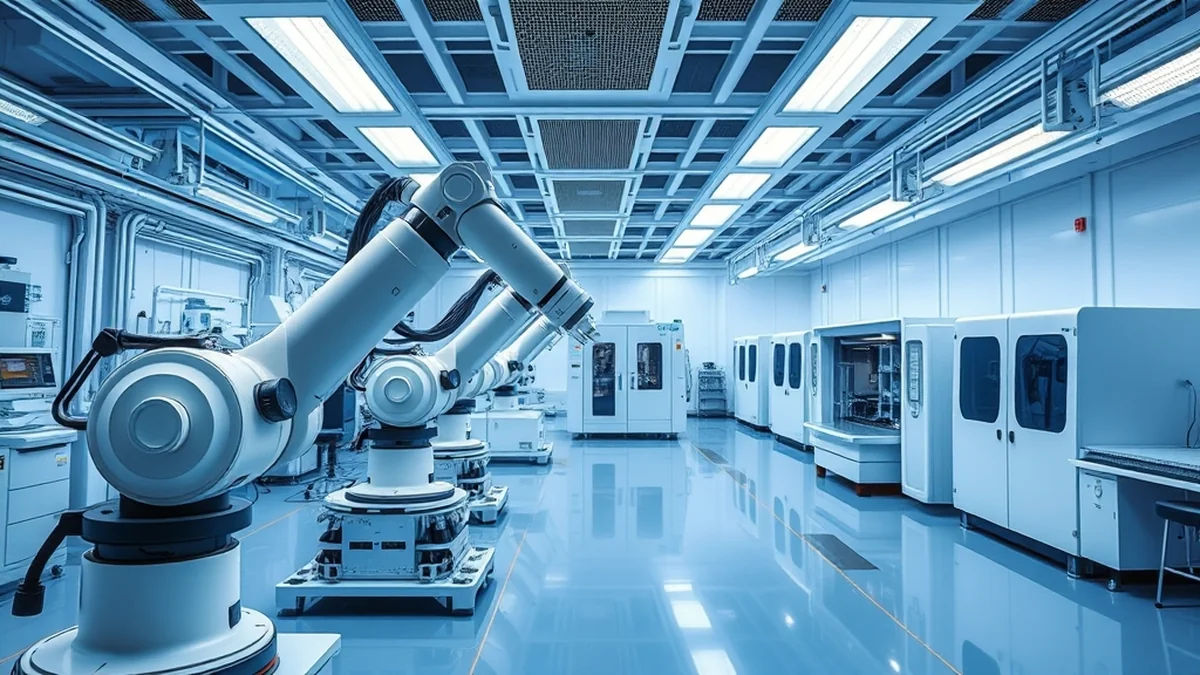
Image: AI Illustration.
Intel Foundry Financial Results:
Intel's Foundry division reported a significant 31% increase in revenue for the last quarter, reaching $5.8 billion. Despite this growth, the unit still recorded an operating loss of $2.1 billion. This performance highlights the capital-intensive nature of building out a semiconductor manufacturing business from the ground up to compete with established giants. However, the company noted that it has successfully halved its loss per dollar of revenue compared to the same period last year, indicating that operational efficiencies are beginning to take hold.
Operational Progress and Strategy:
The majority of the foundry's current revenue is still driven by internal orders from Intel's own product divisions. To achieve long-term sustainability, the unit is aggressively pursuing external customers and developing advanced manufacturing processes, such as the Intel 14A. These technological milestones are crucial for attracting major global chip designers who currently rely on competitors. The company remains committed to its stated goal of breaking even by 2027, with the current trajectory showing steady improvement in manufacturing yields and cost management.
Impact on Global Supply Chains:
Intel's push to become a major foundry player is a central part of the global effort to diversify chip manufacturing away from a few concentrated geographic areas. This development is highly relevant to India's own semiconductor ambitions under the "Make in India" initiative, as it creates more competition and potential partnership opportunities in the global supply chain. As Intel scales its foundry operations, it could provide Indian electronics manufacturers with more diverse sourcing options for high-end components. The industry will closely monitor whether Intel can secure a marquee external customer to validate its 14A process in the coming quarters.
Pulse Intelligence
Context & ImpactContext & Background
- Intel officially separated its foundry and product design businesses in 2024 to provide more transparency and attract external customers.
- The company has been a major recipient of US CHIPS Act funding to revitalize domestic semiconductor manufacturing.
Key Consequences
- Ongoing losses in the foundry unit may continue to weigh on Intel's overall stock price until external revenue significantly scales up.
- Success in the Intel 14A node could re-establish Intel as a leader in leading-edge manufacturing technology by 2027.
Market & Economic Impact
Intel's continued investment in foundry capacity maintains pressure on the global semiconductor sector, influencing capital expenditure trends for rivals like TSMC and Samsung.
The Indus Pulse is committed to accuracy and transparency.