
30 Aug 2026, 08:32 AM 2 min readtechDaily Pulse
India's Semiconductor Mission Targets Commercial Production For Multiple Projects By Year-End
Three major projects are already operational, with five to six more expected to start production by year-end.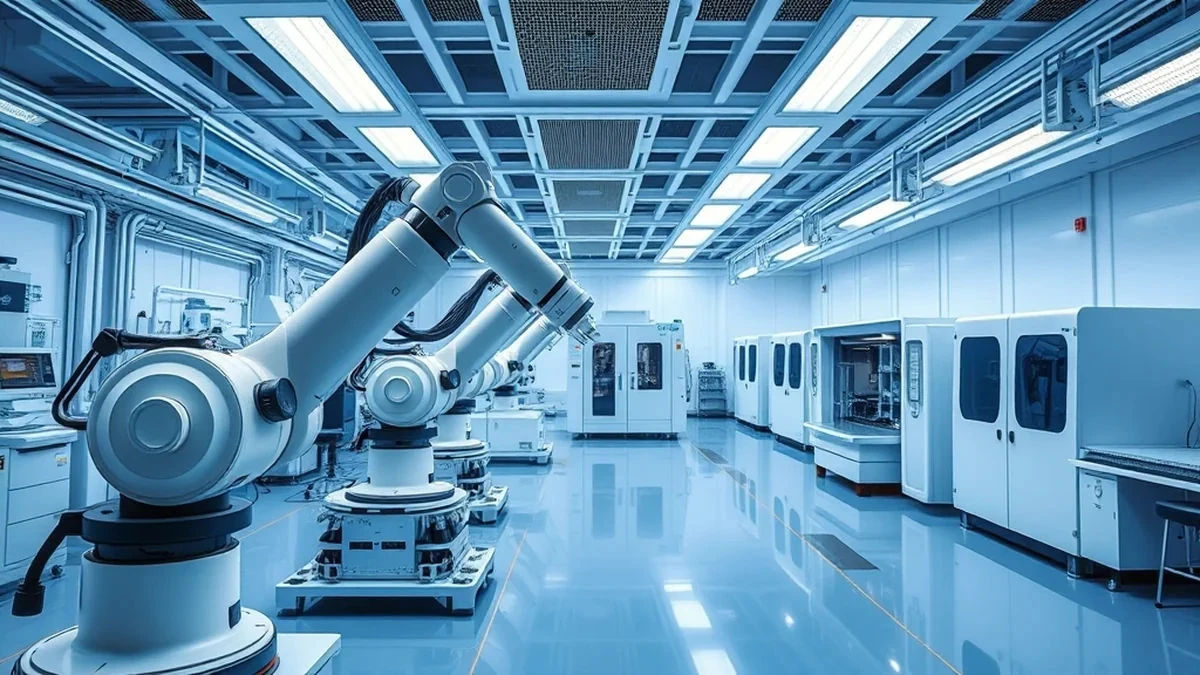
[Progress Under ISM 1.0]:
India's semiconductor manufacturing ambitions are gaining momentum, with three major projects already operational. Micron, Kaynes, and CG Power commenced commercial production on February 28, March 31, and July 4, 2026, respectively. MeitY Secretary S Krishnan confirmed that five to six additional projects are expected to reach the commercial production stage by the end of 2026, marking a significant milestone for the India Semiconductor Mission.
[Upcoming Industry Milestone]:
The focus now shifts to the fifth edition of Semicon India 2026, scheduled for September 17 in New Delhi. Prime Minister Narendra Modi will inaugurate the event, which is set to host over 240 international companies and 150 global experts. The summit will serve as a platform to showcase advanced manufacturing solutions, including Critical Manufacturing's MES-Powered Industrial Operations Platform, which optimizes data-driven semiconductor production.
[Future Roadmap with ISM 2.0]:
With the Union Cabinet's approval of ISM 2.0, the scope of India's semiconductor strategy is expanding to include chip design, manufacturing equipment, and advanced packaging. The government aims to develop process technologies in the 3-nanometre to 7-nanometre range over the next eight years. By training 100,000 design engineers and doubling domestic semiconductor demand to $200 billion, India intends to transition from a consumer of chips to a global hub for semiconductor design and manufacturing, fostering a self-reliant and technologically advanced electronics ecosystem.
Pulse Intelligence
Context & ImpactContext & Background
- Micron, Kaynes, and CG Power have already begun commercial production in 2026.
- Semicon India 2026 is the largest semiconductor manufacturing event in South Asia.
- ISM 2.0 broadens the scope to include chip design, materials, and R&D.
Key Consequences
- Successful production ramp-up will reduce India's reliance on imported semiconductors.
- The focus on 3nm-7nm technology will position India as a competitive player in the global chip market.
- Training 100,000 engineers will create a massive talent pool for the domestic electronics industry.
Market & Economic Impact
Growth in the semiconductor sector is a long-term positive for electronics manufacturing and industrial automation stocks.
The Indus Pulse is committed to accuracy and transparency.