
18 Aug 2026, 09:49 AM 2 min readindiadeveloping
Indian Sailors Send SOS From High-Risk Strait of Hormuz
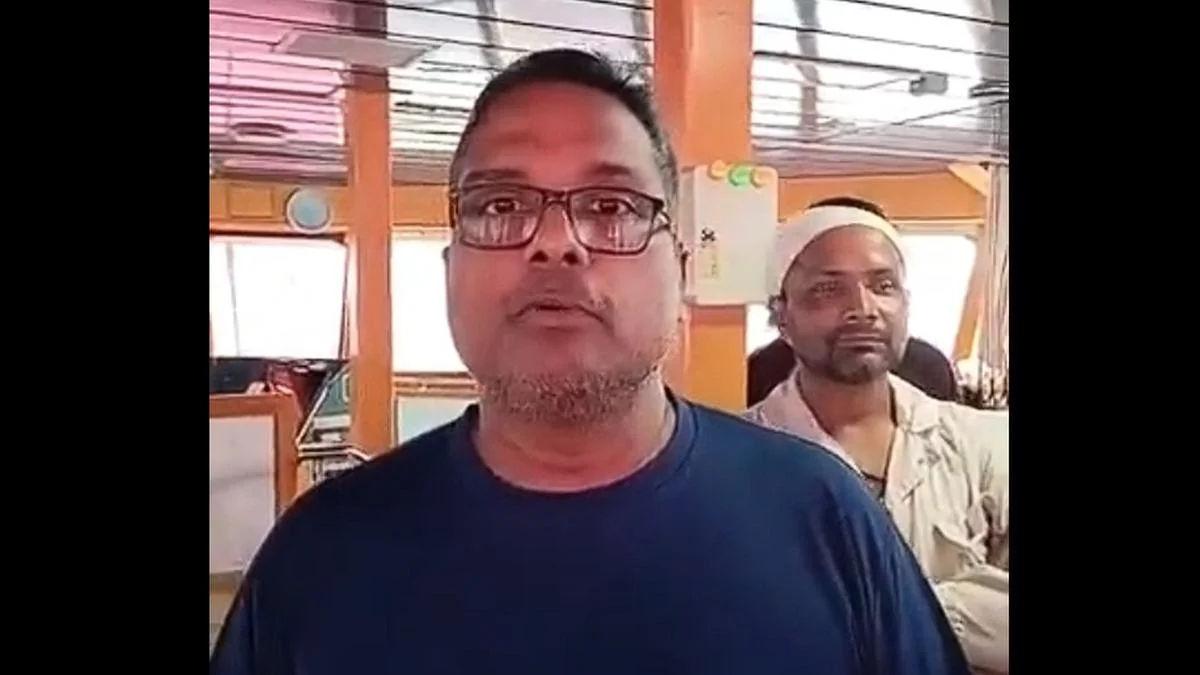
Maritime Crisis and SOS:
At least 16 Indian sailors have sent an urgent SOS to the Indian government, refusing to transit the volatile Strait of Hormuz. The crew members allege that their shipping company is pressuring them to risk their lives by sailing through the high-risk zone despite active missile threats and naval tensions. The sailors emphasize that the area has effectively become a war zone, making commercial passage extremely dangerous. Their plea highlights the growing vulnerability of Indian merchant mariners caught in international geopolitical conflicts in the Middle East.
Captain's Account of Danger:
A veteran Indian captain, who was previously stranded in the region for 75 days, has provided a harrowing account of the conditions. He described missiles flying overhead and being trapped with a crew of 23 while carrying 110,000 tonnes of oil. The psychological toll on the crew has been immense, as ship operators often prioritize commercial timelines over human safety. Many sailors now feel they are being used as pawns in a region where maritime laws are increasingly ignored by warring factions. These testimonies have added weight to the current crew's refusal to proceed.
Government and International Response:
The Indian government is under pressure to lead a diplomatic effort to ensure the safe repatriation of its citizens. Maritime unions are calling for New Delhi to establish a clear protocol for sailors who refuse to enter designated war zones without facing contractual penalties. This situation also reflects broader global concerns about shipping safety in the Gulf, which handles a significant portion of India's oil imports. The Ministry of External Affairs is reportedly in touch with the relevant ship operators and regional authorities to resolve the standoff and ensure the sailors' safety.
Pulse Intelligence
Context & ImpactContext & Background
- The Strait of Hormuz is one of the world's most critical oil chokepoints, but it has seen a surge in vessel seizures and missile attacks recently.
- Indian nationals make up a significant percentage of the global merchant navy workforce, frequently putting them on the front lines of maritime conflicts.
Key Consequences
- New Delhi may issue a formal maritime advisory restricting Indian crew from transiting certain high-risk corridors.
- Failure to resolve the SOS could lead to a shortage of Indian crew willing to work on Middle Eastern shipping routes.
Market & Economic Impact
Potential disruption to oil supply chains could lead to marginal increases in shipping insurance premiums for Indian tankers.
The Indus Pulse is committed to accuracy and transparency.