
Auto Desk July 20, 2026 at 10:17 AM 2 min readautodeveloping
Indian Passenger Vehicle Sales Reach Record High in First Quarter of FY27
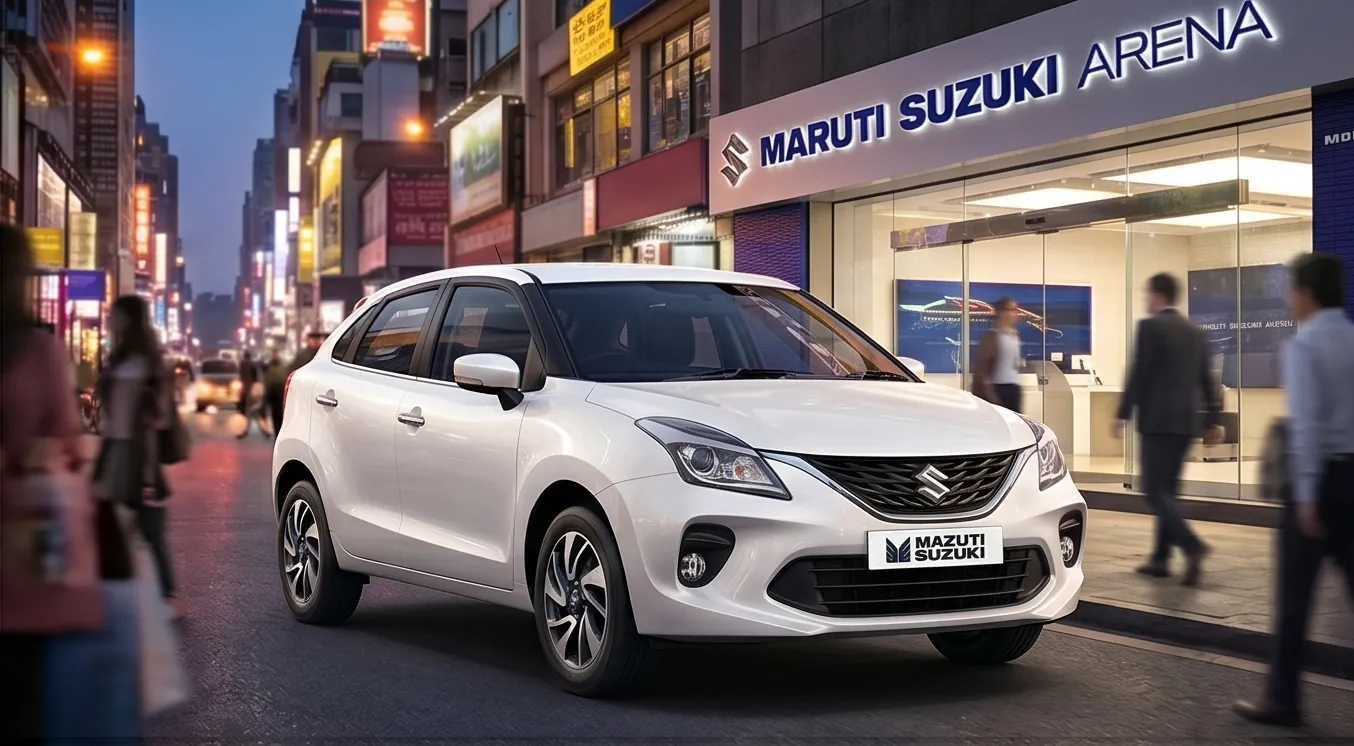
[Record Sales Volume]:
The Indian automobile industry recorded its strongest first quarter ever in the 2026-27 fiscal year. Data from the Society of Indian Automobile Manufacturers (SIAM) published on July 16, 2026, shows that passenger vehicle dispatches reached 1,273,811 units between April and June 2026. This represents a substantial 25.9% year-on-year growth compared to the same period in the previous fiscal year. Major manufacturers continue to see strong demand, with Tata Motors reporting a 67.4% year-on-year sales growth in June alone, while Maruti Suzuki dispatched 147,187 units during the same month, reflecting a 23.8% increase over last year.
[Performance and Profitability]:
Despite the industry's record-breaking volume, market leader Maruti Suzuki faces significant headwinds. On July 20, 2026, the company reported a 6.25% sequential dip in net profit for the quarter ending March 2026, causing its shares to fall 2.09% to Rs 13,514. The automaker's net profit margin contracted to 7.85% from 9.32% a year ago, with reports indicating its market share has hit a record low of 39%. These challenges stem from rising input costs and increased competition, forcing manufacturers to adjust their strategies carefully to sustain growth.
[Strategic Market Adjustments]:
To mitigate rising input costs, Tata Motors implemented a price hike of up to 1.5% across its internal combustion and electric vehicle lineups on July 1, 2026. Conversely, other manufacturers are leveraging aggressive consumer benefits to maintain market momentum. For instance, Maruti Suzuki is offering savings of up to ₹2,60,000 on specific models like the Invicto throughout July. As the industry moves forward, investors remain focused on whether these price increases and promotional strategies will successfully balance inventory levels and profit margins against a backdrop of intense competitive pressure.
Pulse Intelligence
Context & ImpactContext & Background
- Passenger vehicle sales hit an all-time high of 1,273,811 units in Q1 FY27, per SIAM data.
- Maruti Suzuki reported a 6.25% sequential profit decline in Q4 FY26, with market share slipping to 39%.
- Tata Motors hiked vehicle prices by up to 1.5% effective July 1, 2026, following strong Q1 sales growth.
Key Consequences
- Manufacturers may continue adjusting pricing strategies to combat inflationary pressure on input costs.
- Dealer inventories are expected to remain elevated as companies aggressively pursue high annual sales targets.
- Consumers will likely benefit from continued promotional discounts as brands compete fiercely for market dominance.
Market & Economic Impact
Maruti Suzuki shares declined 2.09% following the Q4 profit disclosure, signaling investor concern over margin pressure.