
India Desk July 18, 2026 at 11:01 PM 2 min readindiaevergreen
India’s Bullet Train Infrastructure Reset
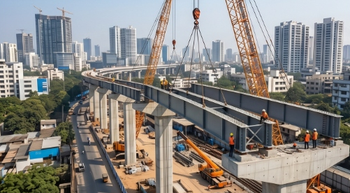
Infrastructure Strategy:
The Indian government continues to refine its national rail strategy, focusing on the integration of high-speed bullet train corridors into the broader national transport network. This reset reflects a shift toward modernized, efficient passenger transit, targeting large-scale improvements in connectivity between key economic centers. These corridors are designed to reduce inter-city travel times significantly, mirroring global high-speed rail standards to boost regional economic integration.
Implementation Challenges:
Developing high-speed infrastructure in India requires complex engineering, land acquisition, and technical collaboration with international partners. The ongoing evolution of these projects involves re-evaluating design timelines and cost-efficiency to ensure long-term viability across varied geographical terrain. Such initiatives reflect a broader institutional push to overhaul legacy infrastructure, positioning the country to handle higher volumes of high-speed passenger traffic over the coming decade.
Economic Significance:
Beyond the immediate convenience for travelers, the high-speed rail network represents a significant investment in national logistics and urban connectivity. Policymakers view these bullet train projects as a catalyst for economic growth, aiming to stimulate regional development around key stations and transit hubs. The success of these infrastructure resets remains a vital benchmark for the country's broader industrial modernization efforts and its commitment to long-term technological and logistical self-reliance.
Pulse Intelligence
Context & ImpactContext & Background
- The high-speed rail project was initiated to connect India's major industrial hubs with a fast, modern transit system.
- Past discussions on bullet train projects focused heavily on technology transfer and international cooperation.
Key Consequences
- Travel times between major commercial cities will decrease, fostering stronger regional economic ties.
- The project will likely influence the future design standards of Indian railway infrastructure.
- Increased connectivity may drive real estate and business development in suburban areas near transit hubs.
Market & Economic Impact
Infrastructure-related stocks and construction firms involved in the rail sector may see long-term benefits.