
July 29, 2026 at 04:19 AM 2 min readworldanalysis
India Condemns Strait of Hormuz Attacks at UNSC
Maritime Security Alarms:
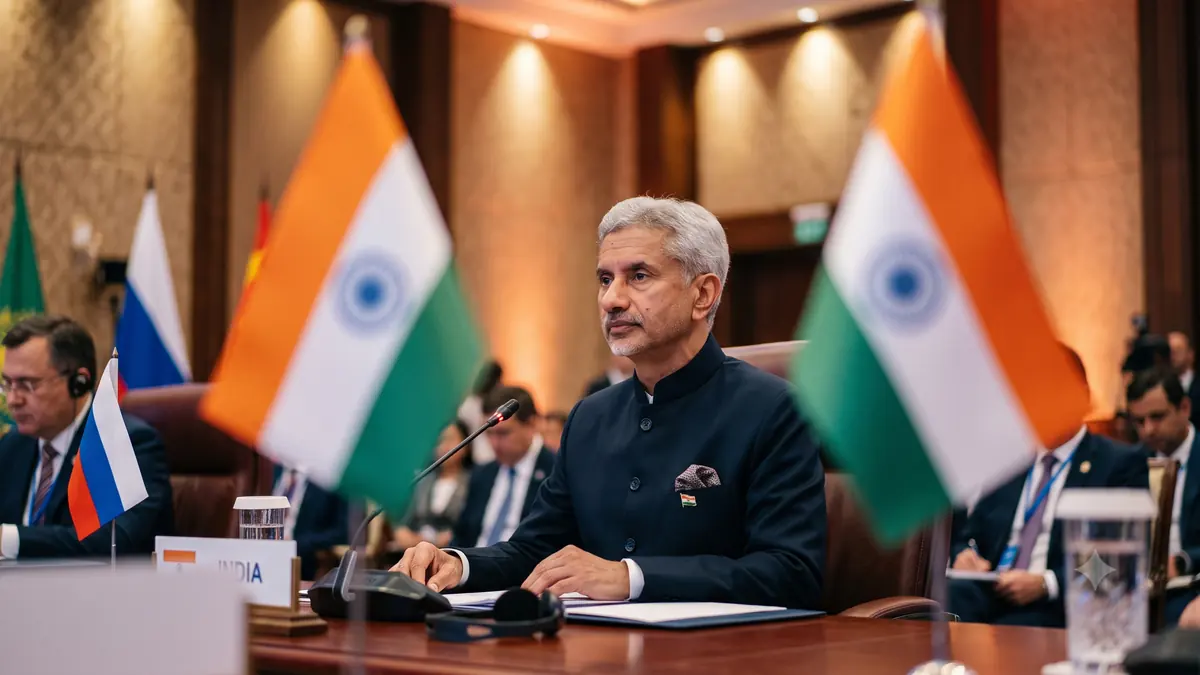
India issued a strong condemnation at the United Nations Security Council (UNSC) on July 28, 2026, regarding the recent spate of attacks on commercial maritime vessels in the Strait of Hormuz. Addressing the council, India’s Permanent Representative to the UN, Ambassador Harish Parvathaneni, expressed "deep concerns" over the worrying resumption of hostilities following a brief pause in regional conflicts. He emphasized that the safety of international shipping lanes is paramount for global trade stability and demanded an immediate cessation of provocations targeting non-combatant vessels.
West Asian Geopolitics:
The escalating tensions in the Strait of Hormuz are inextricably linked to the broader instability across West Asia, including the ongoing conflict in Gaza. India reiterated its long-standing support for a two-state solution to the Palestine-Israel issue as the only viable path to sustainable peace in the region. Ambassador Parvathaneni noted that the maritime attacks represent a dangerous expansion of the conflict theater, threatening to draw in international powers and disrupt the energy security of developing nations like India.
Call for Global Reform:
Beyond the immediate security crisis, India utilized the forum to push for comprehensive reforms of the UNSC structure. The Ambassador argued that the reform process cannot be held hostage by the "divisive interests of a select few," stressing that the council must reflect contemporary global realities to remain relevant. For India, the security of the Strait of Hormuz is a critical national interest, as it serves as the primary artery for the country’s crude oil imports and a vital route for its growing export economy.
Pulse Intelligence
Context & ImpactContext & Background
- The Strait of Hormuz is the world's most important oil transit chokepoint, through which nearly 20% of global oil consumption passes daily.
- India has historically deployed naval assets under 'Operation Sankalp' to ensure the security of Indian-flagged vessels in the Persian Gulf region.
Key Consequences
- Continued instability in the Strait could lead to higher insurance premiums for shipping, potentially increasing petrol and diesel prices in India.
- India may increase its naval presence in the Arabian Sea to provide escort services for Indian merchant tankers.
Market & Economic Impact
Potential volatility in global oil prices and increased shipping costs for Indian energy imports if de-escalation is not achieved.
The Indus Pulse is committed to accuracy and transparency.